Celebrity Alcohol and Beauty Fatigue: Brands Pivot in 2026
The shift in consumer perception, coupled with market saturation and a demand for genuine authenticity, is compelling 40% of celebrity-backed alcohol and beauty brands to pivot their strategies by 2026.
The landscape of consumer goods is ever-evolving, and the phenomenon of celebrity brand fatigue in the alcohol and beauty sectors is becoming increasingly evident. By 2026, a significant 40% of star-backed brands are projected to pivot their strategies, a clear indicator of a shifting tide in consumer preferences and market dynamics. This isn't merely a trend; it's a fundamental recalibration.
The erosion of celebrity credibility
For decades, celebrity endorsements were the gold standard in marketing, a seemingly infallible formula for instantly boosting a brand's appeal and sales. The mere association with a beloved star could launch a product into stratospheric success, leveraging aspirational appeal and perceived trustworthiness. However, the efficacy of this strategy has begun to wane, giving way to a new era of consumer skepticism. The sheer volume of celebrity-backed ventures has inadvertently diluted their impact, making it increasingly difficult for any single endorsement to stand out or feel genuinely authentic.
Consumers today are savvier, more discerning, and more connected than ever before. They have access to a wealth of information at their fingertips, allowing them to scrutinize claims and compare products with unprecedented ease. This heightened awareness means that a celebrity's name alone is no longer enough to guarantee trust or loyalty. Instead, consumers are looking beyond the glitz and glamour, seeking genuine connections and tangible value.
The rise of influencer marketing and peer reviews
- Authenticity over aspiration: Modern consumers prioritize genuine experiences and honest feedback from peers or micro-influencers over polished celebrity endorsements.
- Relatability factor: Influencers who share similar lifestyles and challenges resonate more deeply with audiences, fostering a sense of community and trust.
- Transparency demands: Disclosures of paid partnerships and sponsored content have made consumers more aware, prompting a demand for clear, unbiased reviews.
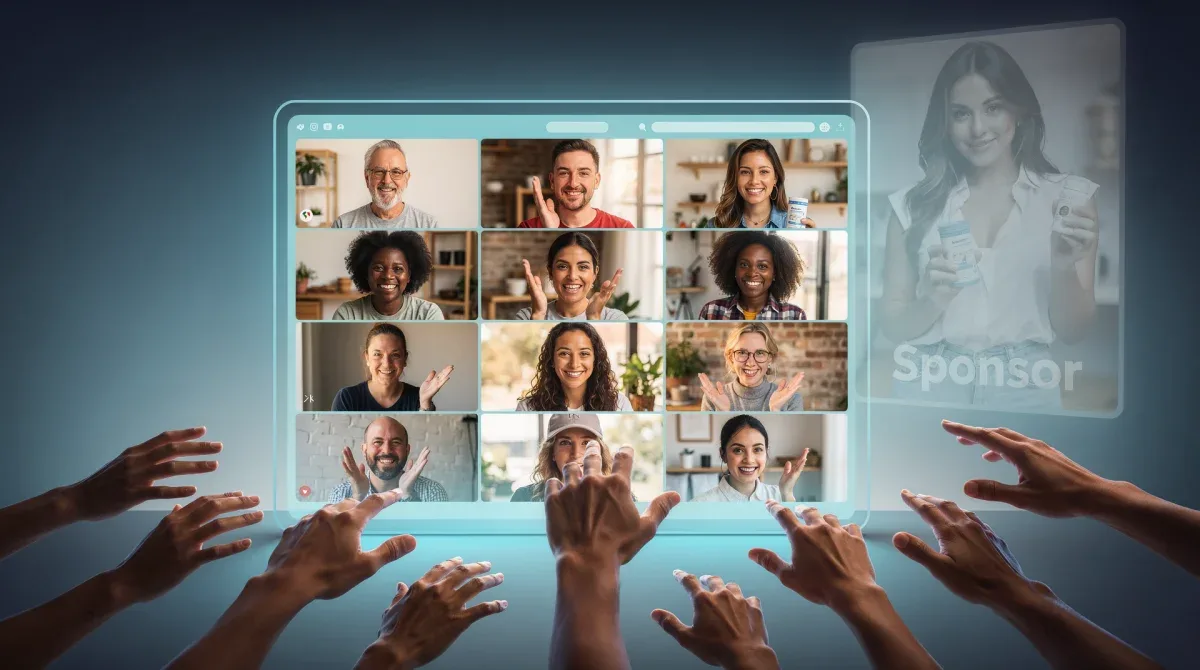
The proliferation of social media platforms has also played a pivotal role in this shift. While celebrities still command massive followings, the rise of everyday influencers and content creators has provided consumers with alternative sources of product recommendations that often feel more relatable and trustworthy. These influencers frequently engage directly with their audiences, building communities based on shared interests and honest opinions, a stark contrast to the often-impersonal nature of traditional celebrity endorsements. As a result, the perceived credibility of a celebrity pushing a product has diminished, replaced by a preference for authentic voices and peer-to-peer recommendations. This erosion of trust is a primary driver behind the significant pivots we expect to see in the coming years.
Market saturation and the struggle for differentiation
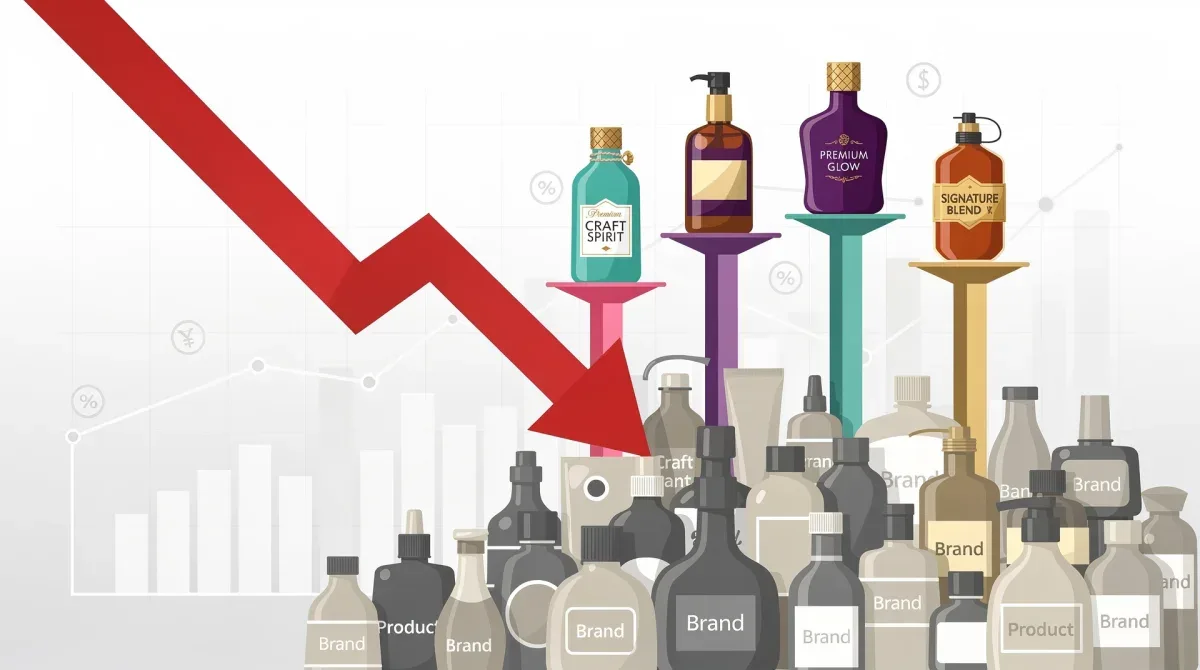
The beauty and alcohol industries have long been attractive playgrounds for celebrity entrepreneurs, offering lucrative opportunities for brand expansion and personal legacy building. However, this appeal has led to an unprecedented level of market saturation. From skincare lines to artisanal spirits, the shelves are overflowing with products bearing famous names, making it increasingly challenging for new entrants, and even established brands, to carve out a unique identity. This intense competition means that simply having a celebrity attached to a product is no longer a guarantee of success; it's merely an entry ticket to an already crowded arena.
When every other product boasts a celebrity co-founder or endorser, the novelty quickly wears off. Consumers become desensitized to the star power, and the focus inevitably shifts back to the product's intrinsic value, quality, and uniqueness. Brands that fail to offer something genuinely different or superior risk getting lost in the noise, regardless of the fame associated with them. This struggle for differentiation is compounded by the rapid pace of innovation in both sectors, where new ingredients, technologies, and trends emerge constantly, demanding continuous adaptation and relevance.
The challenge of standing out in a crowded market
- Identical product offerings: Many celebrity brands often launch with products that are strikingly similar to existing market leaders, failing to present a compelling reason for consumers to switch.
- Lack of unique selling propositions: Without a clear and distinct value proposition, celebrity brands struggle to justify their premium pricing or capture consumer interest beyond initial curiosity.
- Short product lifecycles: The fast-paced nature of beauty and alcohol trends means brands must constantly innovate, a challenge for those relying solely on a celebrity's name.
The sheer volume of choices available to consumers means that they are more selective than ever before. They are looking for products that not only perform well but also align with their personal values, offer a unique experience, or address a specific need that isn't already met. A celebrity's name can open the door, but it's the product's performance and perceived authenticity that keeps the consumer coming back. Therefore, brands are being forced to rethink their entire strategy, moving beyond superficial endorsements to focus on core product innovation, sustainable practices, and genuine brand storytelling. This pivot is essential for survival in a market where celebrity association alone no longer guarantees a competitive edge, highlighting the profound impact of market saturation on the industry.
The quest for authenticity and purpose-driven consumption
In an age where social consciousness and ethical consumption are paramount, consumers are increasingly seeking out brands that align with their values and demonstrate a clear sense of purpose. This shift has profound implications for celebrity-backed brands, many of which have historically relied on image and aspiration rather than genuine commitment to social or environmental causes. The modern consumer is not just buying a product; they are investing in a brand's ethos, its impact on the world, and its transparency. As a result, brands perceived as purely profit-driven or lacking a deeper purpose are struggling to resonate with a growing segment of the market.

The demand for authenticity extends beyond ethical considerations to the very core of a brand's narrative. Consumers want to believe that the celebrity behind a product is genuinely invested in its creation and mission, rather than simply lending their name for a fee. Stories of personal passion, sustainable sourcing, and community involvement are becoming increasingly powerful marketing tools, far outweighing the allure of celebrity alone. Brands that can authentically convey these narratives are building deeper connections with their audiences, fostering loyalty that transcends fleeting trends and superficial endorsements. This quest for authenticity is not a passing fad; it represents a fundamental recalibration of consumer expectations.
The growing importance of brand values and transparency
- Ethical sourcing and sustainability: Consumers are actively seeking brands that prioritize environmental responsibility and fair labor practices, influencing purchasing decisions.
- Social impact initiatives: Brands that contribute positively to society or support meaningful causes often gain favor, demonstrating a commitment beyond profit.
- Transparent communication: Openness about ingredients, production processes, and business practices builds trust and fosters a stronger relationship with consumers.
Furthermore, the rise of movements advocating for social justice, environmental protection, and mental well-being has instilled in consumers a desire to support brands that actively contribute to these causes. A celebrity's personal brand, once a powerful asset, can now become a liability if it conflicts with these evolving consumer values. Brands are now scrutinized not only for their products but also for their corporate responsibility and the genuine engagement of their celebrity founders. Those that can authentically weave purpose and transparency into their DNA, moving beyond mere marketing ploys, are the ones that will thrive. This strategic pivot towards purpose-driven consumption is compelling many celebrity-backed brands to re-evaluate their foundations and embrace a more meaningful approach to business, ensuring their long-term relevance in a conscious marketplace.
The impact of economic shifts on discretionary spending
Economic conditions invariably shape consumer behavior, and recent global shifts have significantly impacted discretionary spending, particularly in the premium alcohol and beauty sectors. When economic uncertainties loom, consumers tend to become more cautious with their purchases, prioritizing essential goods and seeking greater value for their money. This heightened fiscal prudence directly affects luxury and non-essential items, categories where many celebrity-backed brands reside. The willingness to pay a premium solely for a celebrity's association diminishes when household budgets tighten, forcing brands to justify their price points based on intrinsic quality and tangible benefits rather than star power alone.
The perceived value of a product becomes paramount during economic downturns. Consumers are less inclined to experiment with new, unproven brands, especially if they carry a higher price tag due to celebrity involvement. Instead, they often revert to trusted, established brands that offer consistent quality and a proven track record. This shift in purchasing priorities means that celebrity brands must work harder to demonstrate their worth, moving beyond the initial allure of fame to showcase genuine innovation, superior ingredients, or unique efficacy. Failing to adapt to these economic realities can lead to stagnant sales and a loss of market share, compelling a strategic re-evaluation.
Consumer behavior in volatile economic climates
- Value-driven decisions: Consumers prioritize products that offer clear benefits and justify their cost, often choosing more affordable or higher-performing alternatives.
- Brand loyalty to proven products: During uncertain times, consumers tend to stick with brands they know and trust, rather than experimenting with new celebrity ventures.
- Reduced impulse buying: Discretionary purchases, often driven by celebrity endorsements, decrease significantly as consumers adopt a more conservative spending approach.
Furthermore, inflation and rising living costs mean that even affluent consumers are re-evaluating their spending habits. What was once considered an affordable luxury might now be seen as an indulgence. This broader economic pressure forces celebrity brands to either lower their price points, which can dilute their premium image, or significantly enhance their value proposition to warrant the cost. The challenge is particularly acute for brands that entered the market during periods of economic buoyancy, relying heavily on celebrity appeal to drive sales. Now, they must navigate a more frugal consumer landscape, making strategic pivots not just a choice, but a necessity for long-term viability. This economic pressure is a significant factor contributing to the anticipated widespread adjustments in the celebrity brand market.
The evolving landscape of consumer engagement
The ways in which consumers engage with brands and media have undergone a revolutionary transformation in recent years. The traditional one-way communication model, where brands broadcast messages to passive audiences, has been replaced by a dynamic, interactive ecosystem. Social media platforms, interactive content, and direct-to-consumer channels have empowered consumers to not only consume content but also to create, share, and influence narratives. This shift has fundamentally altered the effectiveness of celebrity endorsements, as consumers now expect a two-way dialogue and a more personal connection with the brands they support.
For celebrity-backed brands, this means that simply featuring a star in an advertisement is no longer sufficient. Consumers crave authentic engagement, behind-the-scenes glimpses, and a sense of participation in the brand's journey. They want to see the celebrity founder actively involved, sharing their passion, and responding to feedback, rather than just being a face on a billboard. Brands that fail to foster this deeper level of engagement risk appearing disingenuous or out of touch. The challenge lies in creating meaningful interactions that build community and loyalty, moving beyond superficial marketing tactics.
Strategies for deeper consumer connection
- Interactive content creation: Engaging consumers through polls, Q&As, and user-generated content campaigns that feature the celebrity founder actively participating.
- Community building: Establishing online forums or exclusive groups where consumers can connect with the brand and each other, fostering a sense of belonging.
- Personalized experiences: Offering tailored recommendations, early access to products, or exclusive events that make consumers feel valued and recognized.
The demand for authenticity in engagement also extends to how celebrities themselves interact with their audience. The carefully curated, often inaccessible image of traditional celebrities is giving way to a more transparent and relatable persona. Consumers are drawn to stars who share their vulnerabilities, showcase their real lives, and engage in genuine conversations. This evolving expectation for authenticity impacts how celebrity brands are perceived; a disconnect between a celebrity's public persona and their brand's message can quickly erode trust. Consequently, brands are being compelled to integrate their celebrity founders more deeply into their communication strategies, ensuring that engagement is not just frequent but also meaningful and authentic, reflecting the dynamic nature of modern consumer interaction.
The regulatory environment and ethical marketing
The regulatory landscape surrounding advertising and marketing has become increasingly stringent, particularly concerning celebrity endorsements and claims made by beauty and alcohol brands. Consumer protection agencies globally are cracking down on misleading advertisements, undisclosed paid partnerships, and unsubstantiated product claims. This heightened scrutiny means that brands, especially those leveraging celebrity influence, must adhere to higher standards of transparency and accuracy. The days of vague promises and implied benefits are rapidly fading, replaced by a demand for clear, verifiable information.
For celebrity-backed brands, this presents a unique challenge. The allure of a celebrity often comes with an implicit promise of aspirational results, but these promises must now be backed by scientific evidence or clear disclaimers. Furthermore, the ethical implications of promoting alcohol or certain beauty products, especially to younger audiences, are under constant review. Brands are facing increased pressure to demonstrate social responsibility, ensuring their marketing practices are not only legally compliant but also ethically sound. Failure to meet these evolving standards can result in hefty fines, reputational damage, and a significant loss of consumer trust, forcing brands to re-evaluate their entire marketing framework.
Key considerations for ethical marketing in the future
- Clear disclosure of partnerships: Ensuring all sponsored content and celebrity endorsements are clearly identified, avoiding ambiguity for consumers.
- Substantiation of claims: All product benefits and results must be backed by credible scientific evidence or clearly stated as subjective experiences.
- Responsible advertising practices: Adhering to strict guidelines regarding age-appropriate marketing and avoiding practices that could promote excessive consumption or unrealistic beauty standards.
The growing emphasis on ethical marketing also extends to the ingredients and sourcing of products. Consumers are increasingly demanding transparency about what goes into their beauty products and where their alcohol comes from. Brands that can provide detailed information about their supply chains, ethical labor practices, and sustainable ingredients are gaining a competitive advantage. Conversely, those that are opaque or found to be engaging in questionable practices face severe backlash. This regulatory and ethical pressure is a significant catalyst for the anticipated pivots in the celebrity brand sector, pushing companies towards greater integrity and accountability in their operations and marketing strategies. The future of brand success hinges not just on star power, but on a foundation of trust and responsible conduct.
Navigating future trends and brand resilience
As the market continues to evolve, understanding and adapting to future trends will be paramount for the resilience of celebrity-backed brands. The shift away from pure celebrity endorsement towards more nuanced strategies is not a temporary blip but a long-term directional change. Brands that can anticipate and integrate emerging consumer preferences, technological advancements, and societal values into their core operations will be best positioned for sustained success. This requires a proactive approach, moving beyond reactive adjustments to embrace continuous innovation and a forward-thinking mindset.
One significant trend is the increasing demand for hyper-personalization. Consumers are no longer satisfied with one-size-fits-all solutions; they expect products and experiences tailored to their individual needs and preferences. For beauty brands, this could mean custom formulations based on genetic data or AI-driven skin analysis. In the alcohol sector, it might involve personalized cocktail kits or curated tasting experiences. Celebrity brands must leverage data and technology to offer these bespoke solutions, demonstrating a deep understanding of their audience rather than relying on broad appeal. This focus on personalization is a key area for strategic pivots, ensuring relevance in an increasingly fragmented market.
Embracing innovation for long-term growth
- Personalized product development: Utilizing AI and data analytics to create customized beauty and alcohol products that cater to individual consumer needs.
- Experiential marketing: Shifting focus from product sales to creating immersive brand experiences that build deeper emotional connections with consumers.
- Sustainable and ethical innovation: Investing in research and development to create products that are not only effective but also environmentally friendly and responsibly sourced.
Another crucial aspect of future resilience lies in fostering genuine community around the brand. Beyond mere followers, consumers are seeking spaces where they can connect with like-minded individuals, share experiences, and feel a sense of belonging. Celebrity brands have a unique opportunity to leverage their founder's platform to build these communities, creating a loyal base that feels invested in the brand's success. This involves more than just social media presence; it requires creating platforms for interaction, hosting events, and genuinely listening to consumer feedback. The brands that pivot towards building strong, engaged communities, coupled with continuous innovation and a commitment to personalization, will be the ones that thrive amidst the evolving challenges of celebrity brand fatigue, securing their place in the competitive market of 2026 and beyond.
| Key Reason for Pivot | Brief Description |
|---|---|
| Erosion of Celebrity Credibility | Consumers increasingly prioritize authentic connections and peer reviews over traditional celebrity endorsements, leading to skepticism. |
| Market Saturation | The abundance of celebrity-backed brands makes differentiation difficult, forcing a focus on intrinsic product value and uniqueness. |
| Quest for Authenticity | Modern consumers demand purpose-driven brands with transparent practices and genuine social or environmental commitments. |
| Economic Shifts | Tightening discretionary spending forces consumers to seek greater value, reducing willingness to pay premiums based solely on celebrity. |
Frequently asked questions about celebrity brand pivots
Why are celebrity alcohol and beauty brands pivoting now?▼Celebrity brands are pivoting due to increased consumer skepticism, market saturation, and a growing demand for authenticity. Consumers are more discerning, preferring genuine connections and purpose-driven brands over mere celebrity association. Economic shifts also influence discretionary spending, making value and quality more critical than star power alone.
What does 'celebrity brand fatigue' mean for the market?▼Celebrity brand fatigue refers to consumers becoming desensitized to the sheer volume of star-backed products. This makes it harder for any single celebrity brand to stand out or feel unique, shifting focus back to product quality, innovation, and a brand's intrinsic value rather than just its famous founder.
How can celebrity brands regain consumer trust?▼To regain trust, celebrity brands must prioritize authenticity, transparency, and genuine engagement. This includes demonstrating a real passion for the product, committing to ethical practices, and fostering community. Brands need to offer clear value and align with consumer values, moving beyond superficial endorsements.
What role does authenticity play in brand success today?▼Authenticity is crucial today, as consumers seek brands with genuine purpose and transparent operations. They want to support companies that align with their values and demonstrate real commitment to social or environmental causes. Brands that authentically convey their mission and engage genuinely will build deeper, more lasting connections.
Will celebrity endorsements disappear entirely?▼Celebrity endorsements are unlikely to disappear completely, but their nature is evolving. The future will see more strategic, purpose-driven partnerships where celebrities are genuinely invested in the brand's mission and product. The emphasis will shift from mere association to authentic co-creation and transparent advocacy, reflecting a more mature market.
Conclusion
The impending pivot of 40% of celebrity-backed alcohol and beauty brands by 2026 signifies a profound shift in consumer expectations and market dynamics. The era of relying solely on star power to drive sales is waning, replaced by a demand for authenticity, purpose, and genuine value. As consumers become more discerning, economically conscious, and ethically minded, brands must adapt by fostering deeper connections, innovating meaningfully, and committing to transparency. The future of these industries will belong to those who can move beyond superficial endorsements to build resilient brands founded on trust, quality, and a clear understanding of the evolving consumer landscape.
