Micro-Series Revolution: Gen Z's 90-Second Drama Preference
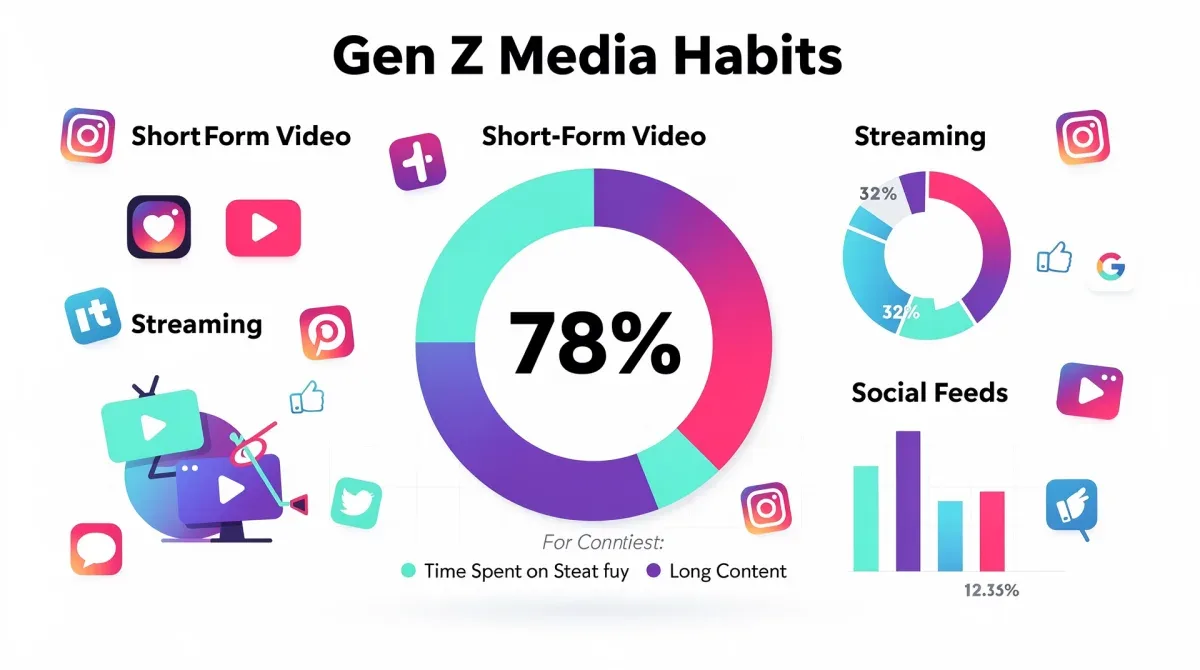
The micro-series revolution demonstrates a clear preference among 70% of Gen Z for 90-second episodic dramas over traditional television, signifying a fundamental shift in media consumption driven by digital platforms and evolving attention spans.
The Micro-Series Revolution: Why 70% of Gen Z Prefers 90-Second Episodic Dramas Over Traditional TV is more than just a passing trend; it's a fundamental shift in how an entire generation consumes entertainment. This phenomenon, deeply rooted in the digital age, challenges long-held notions of storytelling and viewer engagement. Understanding this pivot is crucial for content creators and marketers alike.
The rise of bite-sized narratives
The digital landscape has dramatically reshaped our interaction with content, and nowhere is this more evident than in the entertainment preferences of Gen Z. This generation, born into a world saturated with information and instant gratification, has cultivated a unique appetite for narratives that are both compelling and concise. The micro-series, with its compact structure and rapid pacing, perfectly aligns with these evolving demands.
Gone are the days when viewers patiently sat through hour-long episodes, waiting for plot developments. Today, attention spans are fragmented, and the competition for engagement is fierce. Micro-series offer a solution by delivering complete narrative arcs or significant plot points within minutes, making them ideal for consumption on the go or during brief breaks in a busy schedule.
Understanding Gen Z's digital native mindset
Gen Z's digital nativity means they are inherently comfortable with multi-platform engagement and rapid content cycling. Their daily routines often involve juggling multiple apps, scrolling through various feeds, and consuming diverse forms of media simultaneously. This environment fosters a preference for content that can be easily integrated into such a dynamic lifestyle.
- Multi-tasking capability: Micro-series allow for simultaneous engagement with other activities.
- Instant gratification: Quick narrative payoffs satisfy the desire for immediate engagement.
- Platform agnostic: Easily consumable across smartphones, tablets, and desktops.
The appeal of micro-series also lies in their ability to deliver emotional impact and character development within a compressed timeframe. Skilled creators leverage every second, using sharp dialogue, evocative visuals, and clever editing to convey complex ideas and foster viewer connection. This efficiency in storytelling is a hallmark of the micro-series revolution.
In conclusion, the rise of bite-sized narratives is a direct response to Gen Z's digital-first lifestyle and their preference for immediate, impactful content. Micro-series have mastered the art of concise storytelling, offering compelling experiences that fit seamlessly into the modern viewer's fragmented attention economy, setting a new standard for entertainment consumption.
Attention economy and content consumption
In the modern digital age, attention has become a valuable commodity. Every app, website, and piece of content vies for a slice of our limited cognitive resources. For Gen Z, who grew up with an abundance of choice, the ability to quickly assess and engage with content is paramount. This dynamic directly fuels the popularity of micro-series, as they offer maximum narrative return for minimal time investment.
Traditional television, with its longer format and often slower narrative build-up, struggles to compete in this high-speed environment. While there's still a place for immersive, long-form storytelling, the default preference for many Gen Z individuals leans towards formats that respect and adapt to their shorter attention spans. This isn't necessarily a deficit in attention, but rather an evolved form of selective engagement, prioritizing efficiency and immediate reward.
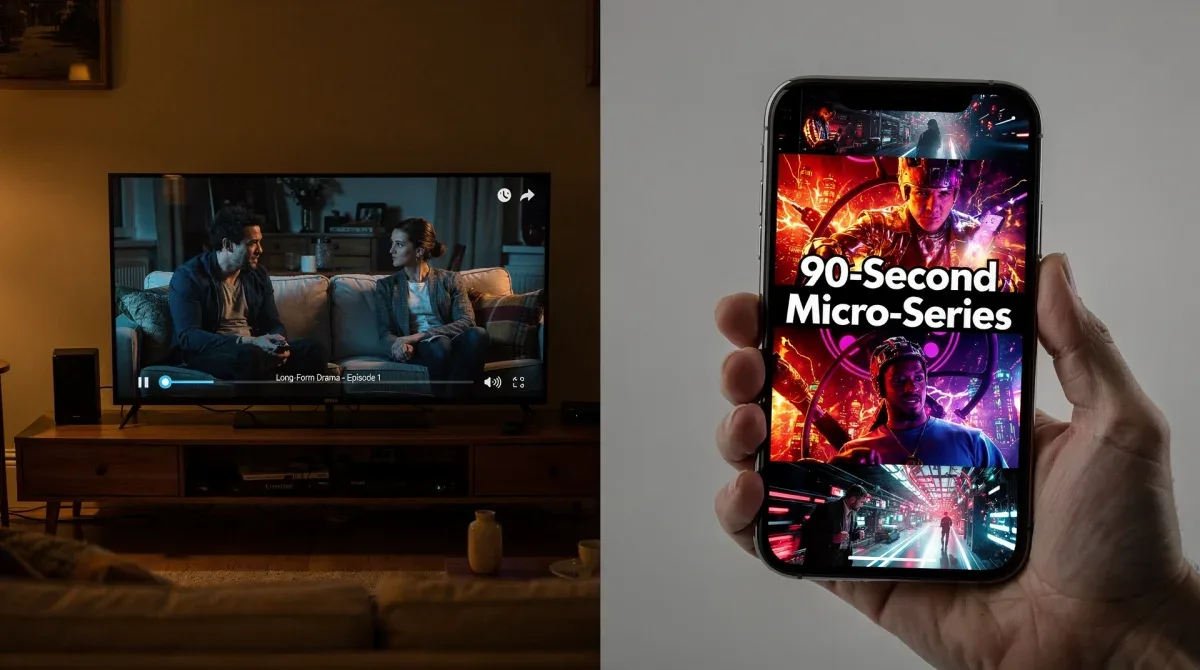
The psychological underpinnings of this preference are fascinating. Dopamine hits from rapid content consumption create a feedback loop that reinforces the appeal of short-form media. Each completed 90-second episode provides a sense of accomplishment and immediate narrative resolution, encouraging viewers to seek out the next installment. This episodic model mimics the addictive scroll of social media feeds.
Navigating content overload
With an overwhelming amount of content available, Gen Z often employs strategies to filter and prioritize what they consume. Micro-series fit perfectly into this framework by offering low-commitment viewing. If a series doesn't immediately capture their interest, they can move on without feeling like they've wasted significant time. This flexibility is a key differentiator from traditional television's higher time investment.
- Low commitment: Easy to start and stop without significant time loss.
- High discoverability: Often shared and promoted through short clips on social media.
- Efficient storytelling: Delivers complete narratives or impactful moments quickly.
The attention economy has thus become a battleground where micro-series emerge as a strong contender. Their ability to deliver compelling stories in short bursts caters directly to Gen Z's need for efficient, engaging, and flexible entertainment. This shift is not just about length, but about a fundamental redesign of the viewer experience to match contemporary digital behaviors.
To summarize, the attention economy plays a crucial role in the triumph of micro-series among Gen Z. By providing quick, rewarding narratives that respect fragmented attention spans and facilitate easy content navigation, micro-series have successfully carved out a dominant space in digital entertainment.
The role of social media platforms
Social media platforms are not merely distribution channels for micro-series; they are integral to their very existence and success. Platforms like TikTok, Instagram Reels, and YouTube Shorts have normalized and even popularized the consumption of ultra-short video content, creating a fertile ground for 90-second episodic dramas to flourish. These platforms have fundamentally altered how stories are discovered, shared, and experienced by Gen Z.
The algorithmic nature of these platforms also plays a significant role. Highly engaging micro-series clips can quickly go viral, reaching millions of viewers who might not otherwise encounter traditional television programming. This organic reach and community-driven discovery mechanism is a powerful engine for the micro-series revolution, allowing creators to bypass traditional gatekeepers and connect directly with their audience.

Community building and engagement
Beyond passive viewing, social media fosters active engagement around micro-series. Viewers can comment, share, remix content, and participate in discussions, transforming a solitary viewing experience into a communal one. This interactive element adds another layer of appeal, as Gen Z values connection and participation in their media consumption.
- Viral potential: Short, engaging clips are highly shareable, boosting discoverability.
- Direct interaction: Creators can engage with their audience through comments and Q&A sessions.
- Fan communities: Platforms facilitate the formation of active fan bases around popular series.
Furthermore, social media platforms have become incubators for new talent, allowing aspiring filmmakers and storytellers to experiment with the micro-series format. The low barrier to entry and the potential for rapid audience growth encourage innovation and diverse storytelling, contributing to the rich variety of content available within this genre. This democratization of content creation is a hallmark of the digital age.
In essence, social media platforms are indispensable to the micro-series ecosystem. They provide the infrastructure for creation, distribution, and community engagement, making them a primary driver behind Gen Z's preference for short-form episodic dramas and reshaping the future of entertainment.
Narrative innovation in short form
The constraint of a 90-second runtime for episodic dramas might seem limiting, but it has paradoxically spurred incredible narrative innovation. Creators are forced to be exceptionally efficient, concise, and creative in their storytelling, leading to fresh approaches that break away from conventional narrative structures. This challenge has become a crucible for new forms of cinematic expression.
Instead of relying on extensive exposition or slow-burn character development, micro-series often jump directly into the action, using visual cues, implied contexts, and sharp dialogue to convey information rapidly. This requires a sophisticated understanding of pacing and a knack for maximizing every frame, making each second count towards advancing the plot or deepening character understanding.
One common technique is to focus on a single, impactful moment or a brief, intense interaction that reveals a larger story. Another involves cliffhangers at the 90-second mark, compelling viewers to immediately seek out the next episode. This serial format, reminiscent of classic radio dramas but adapted for the digital age, keeps audiences hooked and engaged.
Techniques for impactful storytelling
Successfully crafting a compelling micro-series requires a specific set of skills and narrative techniques. These often include:
- Visual storytelling: Relying heavily on imagery and non-verbal cues to convey emotion and plot.
- Economical dialogue: Every line serves a purpose, advancing the story or revealing character.
- Rapid pacing: Maintaining a high energy level to keep viewers engaged from start to finish.
- Strong hooks: Opening with an immediate attention-grabber and ending with a compelling reason to watch more.
The innovation also extends to genre blending and experimental formats. Micro-series creators are unafraid to mix drama with comedy, sci-fi with romance, or employ unconventional camera angles and editing styles. This freedom to experiment, often unburdened by the financial pressures of traditional productions, allows for a vibrant and diverse array of content that resonates with Gen Z's appreciation for authenticity and novelty.
To conclude, narrative innovation is a cornerstone of the micro-series revolution. By mastering efficient storytelling techniques and embracing creative constraints, creators are delivering impactful, engaging dramas that perfectly suit Gen Z's consumption habits, proving that great stories don't always need long runtimes.
The economic advantages for creators and platforms
The micro-series format offers significant economic advantages for both content creators and digital platforms, contributing to its rapid proliferation. For creators, the lower production costs and quicker turnaround times make it an attractive entry point into content creation, while platforms benefit from increased engagement, user retention, and diverse content libraries.
Producing a 90-second episode is considerably less expensive and time-consuming than a traditional 30 or 60-minute television episode. This allows independent creators and smaller production houses to experiment with ideas, build portfolios, and gain an audience without the need for massive budgets or extensive studio backing. The democratization of content creation is a key factor in the micro-series revolution.
Monetization strategies and audience growth
Digital platforms have developed various monetization strategies that align well with the micro-series model. These include:
- Ad revenue sharing: Creators earn a portion of advertising revenue generated from their videos.
- Brand partnerships: Short-form content is ideal for seamless product placements and sponsored segments.
- Subscription models: Platforms offer premium features or ad-free viewing, retaining users who enjoy the diverse micro-series catalog.
- Direct fan support: Features like virtual gifts or paid subscriptions allow fans to directly support their favorite creators.
For platforms, micro-series are a powerful tool for user acquisition and retention. The constant stream of fresh, engaging, and easily shareable content keeps users coming back. Furthermore, the short format encourages binge-watching in a different sense – rapid consumption of many short episodes – leading to higher overall engagement metrics and longer session times. This benefits platforms by increasing their advertising inventory and strengthening their market position.
The economic model also encourages a rapid feedback loop. Creators can quickly gauge audience reaction to an episode and adjust subsequent content, fostering a more responsive and audience-centric production process. This agility is a stark contrast to the often long and rigid production cycles of traditional television.
In conclusion, the economic advantages for creators and platforms are undeniable. Micro-series provide an accessible and cost-effective avenue for creators to tell stories and build an audience, while offering platforms a highly engaging and diverse content stream that drives user retention and robust monetization opportunities, reinforcing the format's widespread adoption.
Future outlook: micro-series vs. traditional media
The ongoing micro-series revolution poses fundamental questions about the future of entertainment and the evolving relationship between viewers and traditional media. While it's unlikely that traditional television will disappear entirely, its role and format are undoubtedly being challenged and redefined by the pervasive influence of short-form episodic dramas. The future will likely involve a dynamic coexistence and perhaps even convergence of these different media forms.
Traditional media outlets are already adapting, with many experimenting with short-form content for their digital platforms or developing companion micro-series to promote longer shows. This cross-pollination indicates a recognition that Gen Z's viewing habits are not just a niche, but a significant segment of the overall media consumption landscape that cannot be ignored. The industry is learning to speak the language of brevity.
Hybrid content models and evolving platforms
The future may see the emergence of hybrid content models, where a full-length feature film or series is complemented by micro-series prequels, sequels, or side stories distributed across social platforms. This creates a multi-layered narrative experience, allowing viewers to engage with stories in various formats and at different depths.
- Integrated narratives: Long-form and short-form content working together to expand a story universe.
- Personalized feeds: Algorithms will further refine content suggestions based on individual micro-series consumption.
- Interactive elements: Enhanced viewer participation through polls, choices, and direct creator engagement.
Furthermore, technological advancements, such as improved mobile streaming capabilities and more sophisticated AI-driven recommendation engines, will continue to fuel the growth of micro-series. Virtual and augmented reality could also play a role, offering even more immersive and interactive short-form narrative experiences that blur the lines between passive viewing and active participation.
The challenge for traditional media will be to innovate without alienating their existing audience, while simultaneously attracting younger viewers who have grown accustomed to the speed and accessibility of micro-series. This will require a flexible approach to content creation, distribution, and monetization, embracing new storytelling paradigms while preserving the value of longer narratives.
In summary, the future outlook suggests a continued expansion of the micro-series format, not as a replacement for, but as a powerful complement to traditional media. The industry will likely evolve towards hybrid models and more personalized, interactive viewing experiences, driven by Gen Z's preference for concise and engaging content.
| Key Point | Brief Description |
|---|---|
| Gen Z Preference | 70% of Gen Z prefers 90-second episodic dramas over traditional TV. |
| Digital Native Habits | Consumption driven by multi-tasking, instant gratification, and platform agility. |
| Social Media Impact | Platforms like TikTok and Instagram are crucial for discovery and engagement. |
| Narrative Innovation | Creators excel at efficient, impactful storytelling within severe time constraints. |
Frequently asked questions
Why do Gen Z prefer micro-series over traditional TV?▼Gen Z prefers micro-series due to their digital native habits, including shorter attention spans, a preference for instant gratification, and the ability to consume content on mobile devices while multi-tasking. The quick, impactful narratives fit seamlessly into their fast-paced lifestyles.
What is the typical length of a micro-series episode?▼A typical micro-series episode is generally very short, often ranging from 60 to 180 seconds, with 90-second episodic dramas being a particularly popular format among Gen Z. This brevity allows for quick consumption and high re-watchability.
How do social media platforms contribute to the micro-series revolution?▼Social media platforms like TikTok and Instagram Reels are crucial as they provide the primary distribution channels for micro-series. They facilitate viral sharing, direct creator-audience interaction, and the formation of fan communities, making content highly discoverable and engaging.
Are micro-series replacing traditional television entirely?▼While micro-series are significantly impacting Gen Z's viewing habits, they are not expected to entirely replace traditional television. Instead, they are likely to coexist and potentially integrate through hybrid content models, where short-form content complements longer narratives and expands storytelling universes.
What are the benefits for creators in making micro-series?▼Creators benefit from lower production costs and quicker turnaround times, making micro-series an accessible entry point for storytelling. They can experiment with ideas, build an audience rapidly, and leverage various monetization strategies like ad revenue sharing and brand partnerships on digital platforms.
Conclusion
The micro-series revolution, driven predominantly by Gen Z's distinct media consumption habits, represents a profound evolution in entertainment. The preference for 90-second episodic dramas over traditional television is not merely a passing fad but a reflection of a generation that values instant gratification, efficiency, and seamless integration of content into their digital-first lives. As content creators and platforms continue to innovate within these brief narrative formats, the landscape of storytelling will undoubtedly continue to shift, fostering a dynamic future where both concise and expansive narratives find their place, often intertwined.
