Method Dressing in 2026: Red Carpet Aesthetics & Retail
Method dressing, where celebrities align their attire with their professional roles or projects, has become a dominant force in 2026, directly contributing to a remarkable 45% spike in retail searches as consumers emulate these influential aesthetic choices.
In 2026, the phenomenon of method dressing retail impact has transcended niche fashion discussions to become a mainstream cultural force, profoundly influencing consumer behavior and driving unprecedented spikes in retail searches. This strategic alignment of celebrity attire with their current projects, particularly on the highly visible red carpet, has transformed how audiences engage with fashion and, crucially, how they shop.
The rise of method dressing as a cultural phenomenon
Method dressing, a term once primarily associated with acting techniques, has found a vibrant new life in the fashion world. It describes the intentional choice by public figures, especially actors, to dress in a manner that reflects the themes, characters, or overall aesthetic of their latest projects. This isn't merely about wearing designer clothes; it's about crafting a narrative through attire, turning every red carpet appearance into an extension of their artistic work.
What began as subtle nods has evolved into elaborate, carefully curated wardrobes that captivate audiences and critics alike. In 2026, this trend has become particularly pronounced, moving beyond mere style statements to become a powerful marketing tool. The visual storytelling inherent in method dressing resonates deeply with an audience increasingly attuned to authenticity and narrative coherence. This evolution marks a significant shift from traditional celebrity endorsements, where the focus was often on the brand itself, to a more organic, character-driven influence.
From subtle hints to overt narratives
Early examples of method dressing might have involved an actress wearing a specific color palette reminiscent of her film's setting. Today, the approach is far more sophisticated, often featuring bespoke creations that directly reference character costumes, plot points, or even the emotional arc of a story. This detailed approach requires collaboration between stylists, designers, and the celebrities themselves, transforming fashion into a form of performance art. The impact of such deliberate choices is magnified by the instantaneity of social media, where these looks are dissected, celebrated, and disseminated globally within minutes of their debut.
- Thematic coherence: Outfits directly reflect project themes.
- Character embodiment: Celebrities literally wear their roles.
- Narrative extension: Fashion becomes part of the storytelling.
- Audience engagement: Fans feel more connected to the projects.

The cultural resonance of method dressing lies in its ability to blur the lines between fiction and reality, creating an immersive experience for the audience. When a celebrity steps onto the red carpet embodying their character through fashion, it creates a powerful, memorable image that reinforces the project's identity and deepens public interest. This strategic use of aesthetics has become a cornerstone of modern pop culture, demonstrating the profound influence that visual storytelling can wield.
In conclusion, method dressing has matured into a sophisticated form of sartorial storytelling. Its evolution from subtle hints to overt narratives has cemented its place as a significant cultural phenomenon, driven by the desire for deeper audience engagement and amplified by the pervasive reach of digital media.
Red carpet aesthetics: The ultimate fashion runway
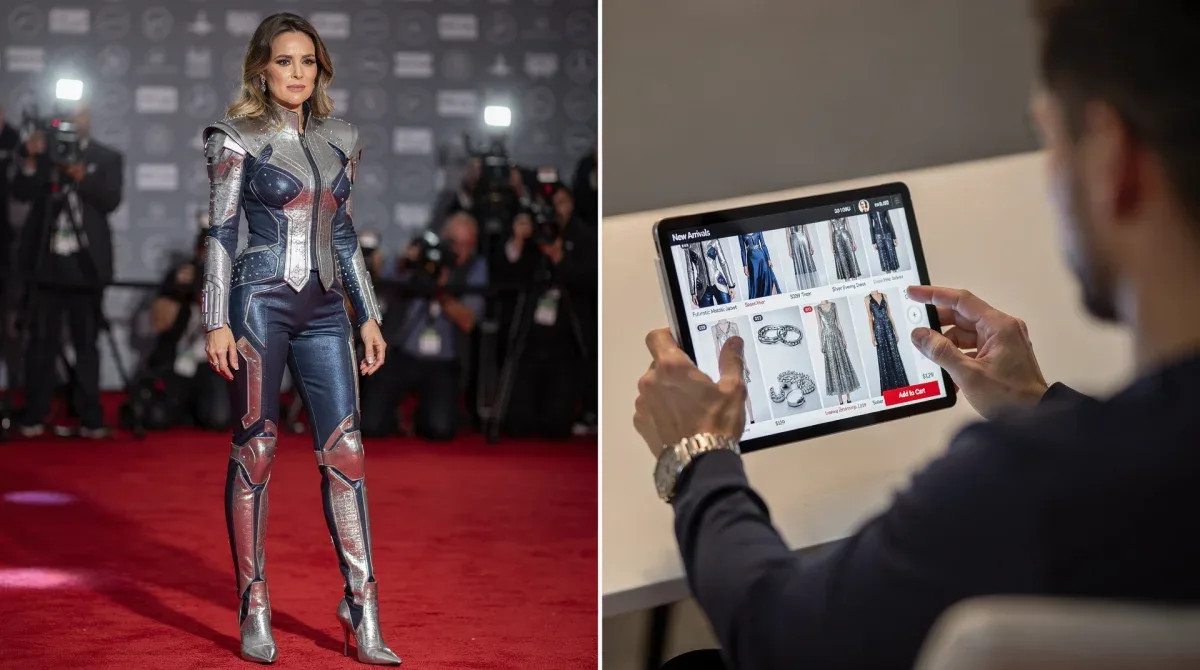
The red carpet has always been a stage for fashion, but in 2026, it has been elevated to the ultimate fashion runway for method dressing. Unlike traditional fashion shows, which often showcase avant-garde designs not immediately accessible to the consumer, red carpet events present looks that, while high-fashion, are often more relatable or inspiring in a direct way. This accessibility, combined with the immense star power, makes the red carpet a potent driver of retail trends.
Every major awards ceremony, film premiere, or festival becomes a high-stakes fashion event, meticulously watched by millions. The curated outfits worn by celebrities are not just admired; they are scrutinized, debated, and, most importantly, emulated. The visual spectacle of method dressing on these platforms creates an aspirational appeal that directly translates into consumer desire. This phenomenon is particularly strong because the clothes are worn by individuals already admired and influential, adding an extra layer of desirability.
Instantaneous trend dissemination
The speed at which red carpet looks translate into trends is staggering. Thanks to social media platforms and instant news cycles, a celebrity's outfit can go viral within minutes. This rapid dissemination means that consumers are exposed to these aesthetics almost immediately, fueling an instantaneous demand for similar styles. Fashion retailers and e-commerce platforms have become adept at capitalizing on this rapid cycle, often featuring "shop the look" sections or trending categories that reflect current red carpet influences.
- Global reach: Red carpet events are broadcast worldwide.
- Social media amplification: Looks go viral instantly.
- Influencer effect: Celebrities act as powerful trendsetters.
- Direct inspiration: Consumers seek similar styles immediately.
The power of red carpet aesthetics in driving retail searches is undeniable. When a celebrity wears an outfit that resonates with their character or project, it creates a unique connection with the audience. This connection often translates into a desire to own a piece of that narrative, leading to searches for specific garments, accessories, or even general aesthetic themes. The red carpet, therefore, serves not just as a display of fashion, but as a powerful engine for consumer engagement and retail activity.
In essence, the red carpet in 2026 is far more than a glamorous event; it is a meticulously orchestrated platform where method dressing transforms high fashion into tangible retail opportunities. Its instantaneous global reach and celebrity influence make it an unparalleled driver of contemporary fashion trends.
The 45% spike in retail searches: A data-driven insight
The most compelling evidence of method dressing's impact in 2026 is the staggering 45% spike in retail searches directly attributable to red carpet aesthetics. This isn't merely anecdotal observation; it's a data-driven insight that underscores a significant shift in consumer behavior. Analytical firms and retail platforms are increasingly tracking the direct correlation between high-profile celebrity appearances and subsequent surges in online shopping queries.
This 45% increase reflects a broad spectrum of search terms, ranging from specific garment types and colors to broader aesthetic themes and even fictional character wardrobes. For instance, if an actress appears in a futuristic metallic gown for a sci-fi film premiere, searches for "metallic dresses," "sci-fi fashion," or "futuristic accessories" will see an immediate and substantial uptick. This direct cause-and-effect relationship highlights the power of visual media and celebrity endorsement in shaping market demand.
Understanding the consumer psyche
Why such a dramatic increase? The consumer psyche is complex, but several factors contribute to this phenomenon. A significant aspect is the desire for aspirational identity. People often look to celebrities not just for entertainment, but for lifestyle cues. When a beloved star embodies a character through fashion, it creates a compelling narrative that consumers want to be a part of. This isn't just about imitation; it's about connecting with a story, an emotion, or an ideal.
Furthermore, the curated nature of method dressing often introduces consumers to styles and designers they might not otherwise encounter. The novelty and artistry involved spark curiosity, leading to exploratory searches. The accessibility of online retail means that this curiosity can be immediately acted upon, transforming passive admiration into active purchasing intent.
- Aspirational identity: Consumers emulate admired celebrities.
- Narrative connection: Fashion becomes a part of a story.
- Discovery of new styles: Exposure to unique designs and designers.
- Immediate gratification: Online retail facilitates quick purchases.
The 45% spike in retail searches is a clear indicator that method dressing is not just a passing trend but a powerful economic force. Retailers who understand and leverage this dynamic are better positioned to capture market share and respond to rapidly evolving consumer preferences. This data provides concrete evidence of how pop culture aesthetics are directly influencing the retail landscape in 2026, making it an indispensable metric for market analysis.
Ultimately, the substantial increase in retail searches driven by method dressing on the red carpet offers a clear, data-backed perspective on the profound influence of celebrity fashion on consumer behavior and market dynamics in 2026.
How pop culture and media amplify fashion trends
Pop culture and media platforms are the primary amplifiers of fashion trends, particularly in the context of method dressing. In 2026, the interconnectedness of social media, entertainment news, and digital content creation means that a single red carpet appearance can ignite a global fashion movement almost instantaneously. This amplification goes beyond mere reporting; it involves active participation from fans, fashion enthusiasts, and influencers alike.
Every major media outlet, from traditional fashion magazines to burgeoning TikTok accounts, dedicates significant coverage to red carpet events. This constant stream of content ensures that celebrity looks are not just seen but are also analyzed, critiqued, and celebrated. The discourse surrounding these outfits generates immense buzz, keeping the fashion conversation alive and continuously pushing new trends into the public consciousness. This sustained media attention is crucial for translating a fleeting moment of glamour into a lasting retail impact.
The role of social media in trend acceleration
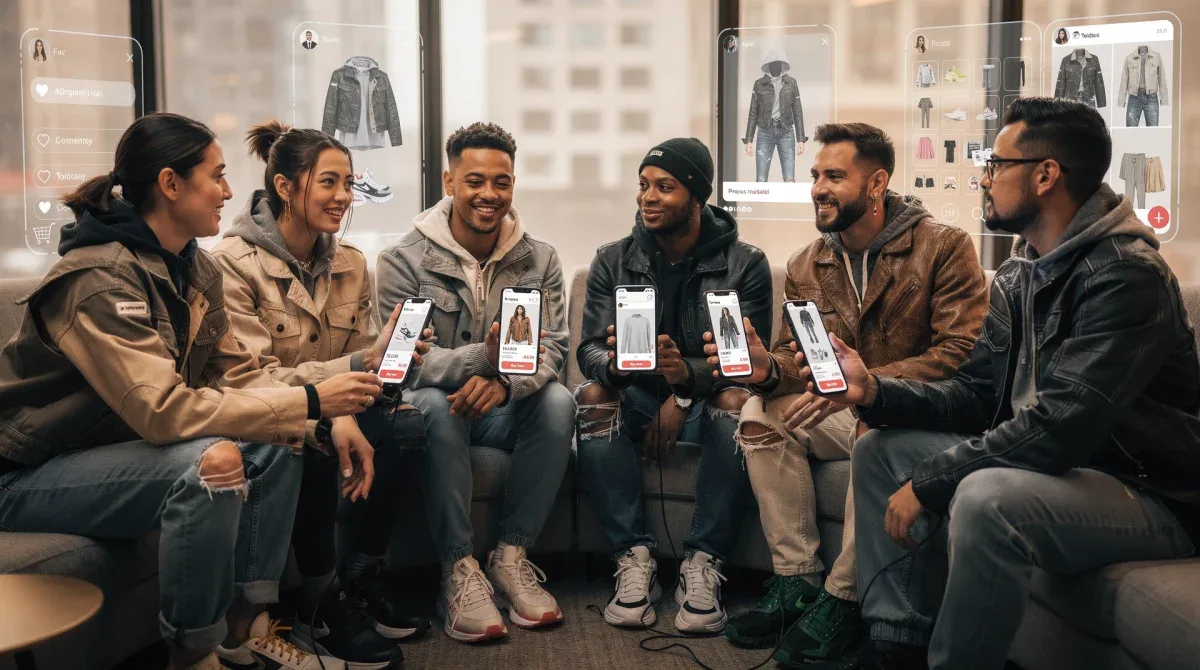
Social media platforms like Instagram, TikTok, and X (formerly Twitter) are unparalleled in their ability to accelerate fashion trends. A celebrity's method dressing moment can be shared, reposted, and reinterpreted countless times, reaching billions of users globally. Beyond passive viewing, these platforms encourage active engagement, with users creating their own content inspired by red carpet looks. This user-generated content further amplifies the trend, transforming it from a celebrity statement into a collective cultural phenomenon.
- Instant sharing: Looks are disseminated globally in real-time.
- User-generated content: Fans create inspired fashion content.
- Influencer collaborations: Micro-influencers adopt and promote trends.
- Direct feedback loops: Public sentiment shapes trend longevity.
The symbiotic relationship between pop culture, media, and fashion is stronger than ever. Pop culture provides the inspiration, media provides the platform for dissemination, and consumers, fueled by aspiration and accessibility, drive the retail demand. This dynamic ecosystem ensures that red carpet aesthetics, particularly those rooted in method dressing, continue to exert a powerful and measurable influence on the global fashion market.
In summary, the pervasive nature of pop culture and media, especially through digital channels, is instrumental in amplifying method dressing trends. This amplification transforms celebrity fashion into widespread consumer desire, directly impacting retail landscapes.
Retail strategies adapting to method dressing trends
The significant impact of method dressing on retail searches has forced brands and retailers to rapidly adapt their strategies. In 2026, the traditional retail cycle of seasonal collections and long lead times is increasingly being replaced by agile, responsive approaches designed to capitalize on instantaneous trends. Retailers are now employing sophisticated data analytics and real-time monitoring to identify and react to emerging red carpet aesthetics with unprecedented speed.
This adaptation involves more than just stocking similar items; it's about understanding the underlying aesthetic principles of method dressing and translating them into commercially viable products. Brands are investing in quicker design-to-market pipelines, leveraging AI for trend prediction, and forging partnerships with stylists and celebrities to ensure their offerings align with current pop culture narratives. The goal is to be the first to market with styles that resonate with the latest red carpet buzz, capturing consumer demand at its peak.
The rise of "see now, buy now" models
One of the most prominent adaptations is the widespread adoption of "see now, buy now" models. This approach, once a niche concept, has become a necessity for retailers looking to capitalize on method dressing trends. When a celebrity's outfit goes viral, consumers expect to find similar items almost immediately. Retailers are responding by offering pre-orders, limited-edition drops, and expedited production cycles to meet this instant demand.
- Rapid trend identification: Utilizing AI and data analytics.
- Flexible supply chains: Quick adaptation to new styles.
- Targeted marketing: Campaigns linked to specific red carpet events.
- Collaborative partnerships: Working with stylists and influencers.
Beyond product offerings, marketing strategies are also evolving. Retailers are increasingly using social media in real-time during major events, posting links to similar products as red carpet looks debut. This direct-to-consumer approach shortens the path from inspiration to purchase, maximizing the impact of method dressing. The retail landscape in 2026 is characterized by its responsiveness and its deep integration with the fast-paced world of pop culture and celebrity fashion.
In essence, retail strategies are undergoing a significant transformation to align with method dressing trends. This involves rapid adaptation, data-driven insights, and innovative commercial models to meet immediate consumer demand and capitalize on pop culture influences.
Future outlook: Sustaining the method dressing momentum
As we look towards the future, sustaining the momentum of method dressing as a significant retail driver presents both opportunities and challenges. The trend's current trajectory suggests it will remain a powerful force, but its evolution will likely involve greater sophistication and perhaps a more nuanced approach from both celebrities and retailers. The key will be to maintain authenticity and novelty in an increasingly saturated market.
One potential direction is the deeper integration of technology. Augmented reality (AR) and virtual try-on experiences could become standard, allowing consumers to digitally "wear" celebrity-inspired outfits instantly. This would further bridge the gap between aspirational red carpet looks and accessible retail, enhancing the shopping experience and potentially driving even higher engagement rates. Personalized recommendations based on method dressing trends could also become more refined.
Ethical considerations and sustainability
As the pace of fashion accelerates due to method dressing, ethical considerations and sustainability will become increasingly paramount. Consumers in 2026 are more conscious of the environmental and social impact of their purchases. Retailers and brands capitalizing on rapid trends will face pressure to demonstrate responsible sourcing, production, and waste reduction practices. Method dressing may evolve to highlight sustainable fashion choices, with celebrities showcasing eco-friendly designs or upcycled garments that align with their project's message.
- Technological integration: AR/VR for virtual try-ons.
- Personalized experiences: AI-driven fashion recommendations.
- Sustainable fashion: Emphasis on eco-friendly method dressing.
- Authenticity: Maintaining genuine connection to narratives.
Maintaining authenticity will be crucial. As method dressing becomes more ubiquitous, there's a risk of it feeling manufactured or inauthentic. Celebrities and their teams will need to continue crafting genuine narratives through fashion, ensuring that their choices resonate with their audience on a deeper level. The future of method dressing lies in its ability to innovate while staying true to its core principle of narrative-driven style, adapting to evolving consumer values and technological advancements.
In conclusion, the future of method dressing momentum hinges on continued innovation, a commitment to authenticity, and a greater emphasis on ethical and sustainable practices, ensuring its lasting influence on retail and pop culture.
Navigating the evolving landscape of fashion influence
The evolving landscape of fashion influence, heavily shaped by method dressing, demands constant attention and strategic navigation from all stakeholders. In 2026, it's clear that the traditional top-down model of fashion dictation has been significantly disrupted. Instead, a more dynamic, responsive ecosystem has emerged, where celebrity influence, social media virality, and consumer demand interact in real-time to create and propagate trends.
For brands and designers, this means moving beyond seasonal collections to embrace continuous innovation and quick-response manufacturing. Understanding the nuances of pop culture narratives and how they translate into sartorial choices is no longer optional; it's essential for staying relevant. This also involves cultivating relationships not just with celebrities, but with their stylists and publicists, who are key gatekeepers in the method dressing phenomenon.
Consumer empowerment and trend co-creation
Consumers are no longer passive recipients of fashion trends; they are active participants in their creation and dissemination. Through social media, they voice their preferences, share their interpretations of celebrity looks, and even create their own inspired content. This empowerment means that brands must listen more closely to their audience, engaging in dialogues that inform product development and marketing campaigns. Trend forecasting now heavily relies on analyzing consumer sentiment and behavior across digital platforms.
- Agile manufacturing: Adapting quickly to demand.
- Strategic partnerships: Collaborating with industry insiders.
- Consumer listening: Integrating feedback into design.
- Dynamic marketing: Real-time campaigns and engagement.
The landscape of fashion influence is a complex web where every red carpet appearance, every social media post, and every retail search plays a role. Navigating this environment requires a blend of creativity, data science, and a deep understanding of human psychology. As method dressing continues to evolve, so too will the strategies required to harness its power, ensuring that fashion remains a vibrant and responsive reflection of our cultural moment.
In conclusion, successfully navigating the evolving fashion influence landscape necessitates agility, strategic collaborations, and a profound understanding of consumer empowerment, all critical in an era dominated by method dressing trends.
| Key Aspect | Brief Description |
|---|---|
| Method Dressing Definition | Celebrities intentionally dress to reflect project themes, characters, or aesthetics. |
| Retail Search Spike | A 45% increase in retail searches directly linked to red carpet method dressing. |
| Media Amplification | Social media and news rapidly disseminate red carpet looks, fueling trends. |
| Retailer Adaptation | Brands adopt "see now, buy now" and agile strategies to meet instant demand. |
Frequently asked questions about method dressing
What exactly is method dressing in the context of fashion?▼Method dressing refers to the intentional practice where celebrities, particularly actors, choose outfits that align with the themes, characters, or aesthetic of their current professional projects, often seen on red carpet events. It transforms fashion into a form of visual storytelling.
How does method dressing influence retail searches?▼When celebrities showcase method dressing on red carpets, their outfits create immediate interest. Consumers, inspired by these looks, turn to online platforms, leading to a significant increase in searches for similar garments, accessories, or aesthetic themes, driving retail demand.
Why is there a 45% spike in retail searches related to red carpet aesthetics?▼The 45% spike is driven by several factors: the aspirational appeal of celebrities, the narrative connection created by method dressing, rapid social media dissemination, and the ease of immediate online shopping. This combination accelerates consumer desire and action.
Are retailers adapting their strategies to this trend?▼Yes, retailers are increasingly adopting agile strategies like "see now, buy now" models, leveraging AI for trend prediction, and streamlining supply chains. They also engage in real-time social media marketing to capitalize on instant demand generated by method dressing.
What is the future outlook for method dressing and its retail impact?▼The future suggests continued momentum with deeper technological integration, such as AR/VR try-ons, and a growing emphasis on sustainability and authenticity. Maintaining genuine narrative connection will be key for long-term influence and consumer engagement in retail.
Conclusion
The phenomenon of method dressing, particularly as showcased on the red carpets of 2026, has unequivocally transformed the fashion industry and consumer behavior. The remarkable 45% surge in retail searches directly linked to these curated aesthetics underscores a profound shift in how pop culture influences purchasing decisions. This trend is more than just celebrity endorsement; it's a sophisticated form of storytelling that resonates deeply with audiences, driving an instantaneous desire to connect with narratives through fashion. As retailers adapt with agile strategies and technological innovations, and as consumers become more empowered and ethically conscious, method dressing is poised to continue its powerful trajectory, shaping the future of fashion influence and the retail landscape for years to come.
