Monthly Ritual: Reverse Emotional Disconnection & Data
A single monthly shared ritual can profoundly reverse emotional disconnection by consistently reinforcing social bonds, creating predictable opportunities for meaningful interaction, and fostering a sustained sense of belonging, as supported by emerging behavioral data.
In an increasingly digitized world, the profound question of whether 1 monthly shared ritual can reverse emotional disconnection? Here is what behavioral data shows. As our lives become more fragmented, finding concrete ways to nurture genuine human connection is more critical than ever. This article delves into the fascinating insights behavioral science offers, exploring how simple, recurring activities can mend the fabric of our relationships.
Understanding the modern landscape of emotional disconnection
Emotional disconnection is a pervasive issue in contemporary society, often masked by superficial digital interactions. Despite being more 'connected' than ever through technology, many individuals report feeling isolated and lacking deep, meaningful bonds. This paradox underscores a critical need to re-evaluate how we cultivate and maintain our relationships in an authentic and impactful way.
The rise of remote work, geographical dispersion of families, and the sheer pace of modern life contribute significantly to this growing sense of detachment. We often prioritize efficiency and individual pursuits, inadvertently sidelining the consistent, low-stakes interactions that are the bedrock of strong emotional ties. Recognizing the symptoms of disconnection – from a lack of shared experiences to a decline in intimate conversations – is the first step toward addressing it effectively.
The subtle erosion of relational bonds
- Reduced face-to-face interaction: Digital communication often replaces physical presence, diminishing non-verbal cues vital for emotional understanding.
- Time scarcity: Busy schedules leave little room for spontaneous or planned quality time with loved ones.
- Individualistic focus: Modern societal norms often emphasize personal achievement over communal well-being, inadvertently fostering isolation.
- Lack of shared meaning: Without common activities or goals, relationships can lose their sense of purpose and shared identity.
Addressing emotional disconnection requires a deliberate shift in perspective and action. It's about recognizing that meaningful connection isn't a byproduct of proximity, but rather a cultivated outcome of intentional effort and consistent engagement. This understanding lays the groundwork for exploring how structured rituals might offer a potent solution to this modern dilemma.
The psychological power of rituals: more than just habits
Rituals, by their very nature, are distinct from mere habits. While habits are often performed unconsciously and serve a functional purpose, rituals are imbued with symbolic meaning, intentionality, and a sense of shared experience. They transform ordinary actions into significant events, fostering a deeper psychological impact on individuals and groups. This distinction is crucial when considering their potential to reverse emotional disconnection.
Psychologically, rituals provide structure, predictability, and a sense of belonging. They create a dedicated space and time for connection, signaling to participants that this particular interaction holds importance. This intentionality elevates the experience beyond routine, making it a source of comfort, stability, and emotional reinforcement.
How rituals forge deeper bonds
- Shared meaning: Rituals create common narratives and memories, strengthening collective identity.
- Emotional resonance: The symbolic nature of rituals often evokes powerful feelings, enhancing emotional expression and empathy.
- Predictability and security: Knowing a ritual will occur provides a sense of stability and something to look forward to, reducing anxiety.
- Enhanced presence: The intentionality of a ritual encourages participants to be more present and engaged, minimizing distractions.
The power of rituals lies in their ability to transcend the mundane, transforming simple acts into profound opportunities for connection. By consciously integrating them into our lives, we can harness their psychological benefits to create a robust framework for sustained emotional closeness, directly countering the forces of modern disconnection. This intentionality is a key ingredient in their effectiveness.
Behavioral data insights: what studies reveal about shared activities

Recent behavioral data provides compelling evidence that shared activities, particularly those with ritualistic elements, significantly contribute to strengthening social bonds and reversing emotional disconnection. Studies across various disciplines, from psychology to sociology, highlight the measurable impacts of consistent, collective engagement on relationship quality and individual well-being.
One notable area of research focuses on the concept of 'collective effervescence' – a term coined by Emile Durkheim – which describes the sense of energy and communion individuals feel when they participate in a shared activity. Modern studies, often utilizing physiological markers and self-reported data, show that even simple monthly rituals can induce similar positive affective states, leading to increased feelings of closeness and belonging.
Key findings from behavioral research
- Increased oxytocin levels: Participating in shared rituals can elevate oxytocin, often called the 'love hormone,' fostering trust and bonding.
- Enhanced empathy: Shared experiences lead to a greater understanding of others' perspectives and emotional states.
- Reduced loneliness: Regular, predictable social interaction through rituals directly combats feelings of isolation.
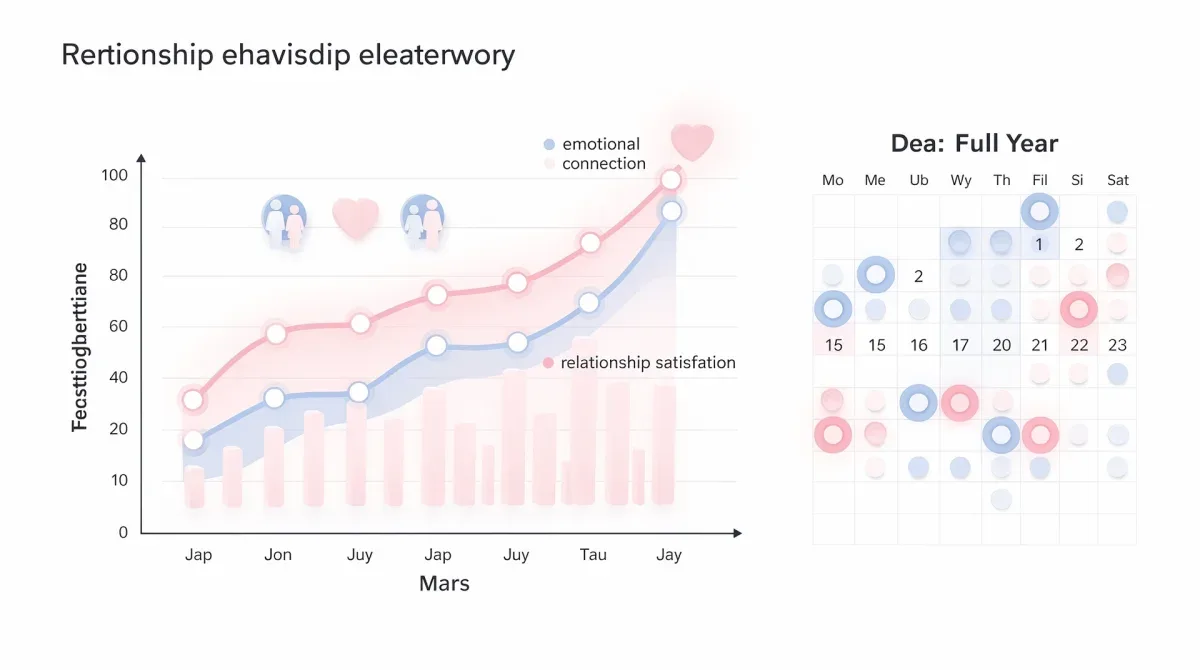
- Improved relationship satisfaction: Couples and families who engage in rituals report higher levels of happiness and stability in their relationships.
Furthermore, longitudinal studies indicate that relationships with established rituals are more resilient to stress and conflict. The consistent reinforcement of positive interaction builds a reservoir of shared goodwill and understanding, making it easier to navigate challenges. This behavioral evidence strongly supports the hypothesis that even a single monthly shared ritual can be a powerful antidote to emotional disconnection, offering a tangible pathway to stronger, more fulfilling relationships.
Designing your monthly shared ritual for maximum impact
Creating a monthly shared ritual that genuinely reverses emotional disconnection requires thoughtful design and intentionality. It's not merely about scheduling an event, but about crafting an experience that resonates with all participants, fosters genuine interaction, and holds symbolic meaning. The most effective rituals are often simple, adaptable, and tailored to the unique dynamics of the relationship or group.
Begin by identifying common interests or needs within your social circle or family. What activities do people genuinely enjoy? What shared values could be celebrated? The ritual should feel authentic and enjoyable, not like another chore. It’s also important to establish a consistent time and format, which builds anticipation and reinforces its importance.
Elements of an effective ritual
- Consistency: Regularity, even monthly, reinforces its significance and predictability.
- Shared participation: Everyone should feel involved and contribute, fostering a sense of collective ownership.
- Meaningful interaction: Design activities that encourage conversation, active listening, and emotional expression.
- Symbolic value: Incorporate elements that hold special meaning or represent shared values.
- Adaptability: While consistent, the ritual can evolve slightly to keep it fresh and relevant.

Whether it's a monthly potluck, a book club meeting, a game night, or a shared volunteering experience, the key is to ensure it provides a dedicated space for genuine human connection. By consciously designing these elements, you can transform a simple gathering into a powerful tool for rebuilding and strengthening emotional bonds, providing a consistent anchor in busy lives.
Case studies: real-world examples of ritual success
Examining real-world case studies provides compelling anecdotal evidence supporting the behavioral data on the effectiveness of monthly shared rituals. These examples illustrate how diverse groups, from families to friends and even colleagues, have successfully leveraged consistent, meaningful interactions to combat emotional disconnection and cultivate stronger relationships.
Consider the 'family dinner' ritual. While seemingly simple, families who prioritize a regular, technology-free mealtime often report higher levels of communication, mutual understanding, and overall family cohesion. Behavioral observations show these dinners aren't just about eating; they become a forum for sharing daily experiences, discussing challenges, and reinforcing familial bonds in a predictable, comforting setting.
Diverse applications of rituals
- Friends' 'adventure club': A group of friends dedicates one Saturday a month to exploring a new hiking trail, local attraction, or museum. This consistent shared experience builds a rich history of memories and inside jokes, deepening their friendship.
- Couples' 'date night': Beyond mere entertainment, couples who commit to a monthly, intentional date night—free from distractions and focused on reconnection—often report increased intimacy and relationship satisfaction.
- Community 'clean-up day': Neighborhoods that organize monthly communal clean-up efforts or garden days foster a strong sense of community, shared purpose, and mutual support among residents, leading to reduced social isolation.
These examples highlight a common thread: the power of intentional, recurring shared experiences to create a sense of belonging and reinforce emotional ties. The specific activity is less important than the commitment to consistency and the cultivation of an environment where genuine connection can flourish. These real-world successes underscore the practical application and profound impact of monthly rituals.
Overcoming challenges and sustaining your ritual
While the benefits of a monthly shared ritual are clear, sustaining it amidst life's inevitable complexities can present challenges. Busy schedules, conflicting priorities, and waning enthusiasm can all threaten the consistency that makes rituals so effective. Recognizing these potential hurdles and developing strategies to overcome them is crucial for long-term success in reversing emotional disconnection.
One common challenge is maintaining engagement. Over time, a ritual can feel routine, losing its initial spark. To counter this, it's important to allow for flexibility and evolution. Periodically solicit feedback from participants, introduce new elements, or even rotate responsibilities to keep the ritual fresh and exciting. The core purpose remains, but the execution can adapt.
Strategies for long-term ritual success
- Flexibility within structure: Establish a core structure but allow for minor variations in activities or locations to prevent monotony.
- Shared ownership: Encourage all participants to contribute ideas and take turns organizing, fostering a sense of collective investment.
- Open communication: Regularly check in with participants to ensure the ritual remains relevant and enjoyable for everyone.
- Mindful appreciation: Take moments during the ritual to acknowledge its importance and express gratitude for the shared experience.
Another challenge is the initial inertia of starting. Begin small and simple, focusing on one achievable monthly activity rather than overcomplicating it. The goal is to build momentum and demonstrate the value of consistent connection. By proactively addressing these challenges, you can ensure your monthly shared ritual becomes a sustainable and powerful force for fostering deeper emotional bonds and effectively reversing emotional disconnection.
The future of connection: integrating rituals into daily life
Looking ahead, the integration of intentional rituals into our daily and monthly lives appears to be a vital strategy for fostering sustained emotional connection in an increasingly fragmented world. As behavioral data continues to underscore the profound impact of shared experiences, the focus will likely shift from merely acknowledging disconnection to actively cultivating environments that promote deep, meaningful interaction. This involves a conscious decision to prioritize human connection as a fundamental aspect of well-being.
Beyond formal monthly rituals, the principles can be applied to smaller, more frequent interactions. Even brief daily rituals – a shared morning coffee, a nightly check-in, or a weekly walk with a friend – can accumulate significant relational capital over time. The future of connection lies in recognizing that every interaction is an opportunity to strengthen bonds, and that consistent, intentional effort yields substantial emotional returns. It’s about creating a culture where connection is not just desired, but actively practiced and celebrated.
Cultivating a connected lifestyle
- Mindful presence: Practice being fully present during interactions, minimizing distractions.
- Active listening: Engage deeply with what others are saying, both verbally and non-verbally.
- Expressing appreciation: Regularly acknowledge and verbalize gratitude for your connections.
- Setting boundaries with technology: Designate tech-free times and spaces to facilitate undisturbed interaction.
The evidence is clear: even a single monthly shared ritual holds immense power to reverse emotional disconnection. By understanding the psychological underpinnings, leveraging behavioral insights, and committing to thoughtful design and sustainment, individuals and communities can weave a richer tapestry of connection. The future of our relationships depends on our willingness to embrace these intentional practices, transforming the abstract desire for connection into a tangible, lived reality through the enduring power of shared rituals.
| Key Aspect | Impact on Connection |
|---|---|
| Ritual Consistency | Builds predictability and reinforces importance of shared time. |
| Shared Meaning | Fosters collective identity and creates lasting memories. |
| Behavioral Data | Shows increased oxytocin, empathy, and relationship satisfaction. |
| Intentional Design | Tailoring rituals to group interests maximizes engagement and impact. |
Frequently asked questions about shared rituals
What is the primary benefit of a monthly shared ritual for emotional connection?▼The primary benefit is consistent, intentional interaction that creates a predictable space for genuine connection. This regularity reinforces bonds, builds shared memories, and signals to all participants that their relationship is valued and prioritized, directly combating feelings of emotional distance.
How does behavioral data support the effectiveness of these rituals?▼Behavioral data indicates that shared rituals can lead to increased oxytocin levels, enhanced empathy, reduced loneliness, and higher overall relationship satisfaction. These measurable outcomes demonstrate the tangible positive impact of consistent communal activities on emotional well-being and relational strength.
Can a simple monthly activity truly reverse deep-seated emotional disconnection?▼While deep-seated disconnection may require multifaceted approaches, a simple monthly ritual serves as a powerful starting point and ongoing anchor. Its consistent nature provides a reliable pathway for re-engagement, slowly rebuilding trust and intimacy over time through repeated positive interactions and shared experiences.
What are common challenges in sustaining a monthly shared ritual?▼Common challenges include conflicting schedules, waning enthusiasm, and the ritual feeling routine. Overcoming these requires flexibility within the structure, shared ownership among participants, open communication to adapt activities, and a mindful appreciation for the connection the ritual provides.
How can I start a monthly shared ritual with my friends or family?▼Begin by identifying a common interest or a simple activity everyone enjoys. Propose a consistent time each month, starting small and simple. Encourage collective input for ideas and foster an environment where everyone feels valued and excited to participate, gradually building momentum.
Conclusion
The evidence, both anecdotal and behavioral, strongly suggests that a single monthly shared ritual possesses remarkable power to reverse emotional disconnection. In a world increasingly defined by digital interactions and personal fragmentation, these intentional, recurring practices offer a vital pathway back to genuine human connection. By fostering consistency, shared meaning, and dedicated time for interaction, monthly rituals not only mend existing emotional gaps but also build resilient, fulfilling relationships that enrich our lives and promote overall well-being. Embracing such rituals is a proactive step toward a more connected and compassionate society.
