Moving Across Country Alone: Build Support in 90 Days
Moving across the country alone necessitates proactive steps to establish a local support network, and this article outlines five actionable strategies to build meaningful neighborhood connections within the first 90 days of your arrival.
Embarking on a solo cross-country move is a monumental undertaking, filled with both excitement and trepidation. The thought of arriving in a new city without an existing network can feel daunting, but it’s an incredible opportunity for growth. This guide will walk you through moving across the country alone, offering five actionable steps to build a robust neighborhood support network within your first 90 days.
The initial outreach: tapping into digital and local resources
When you first arrive in a new place, the sheer volume of unknowns can be overwhelming. One of the most effective ways to mitigate this feeling and start building connections is by leveraging both digital platforms and immediate local resources. Think of these as your initial reconnaissance tools, helping you map out the social landscape of your new neighborhood.
Before you even unpack all your boxes, a little digital legwork can go a long way. Online community groups, local event calendars, and neighborhood-specific forums are invaluable for understanding the rhythm and interests of your new area. These platforms often serve as a virtual welcome mat, offering insights into local happenings and opportunities to connect with like-minded individuals.
Exploring online community platforms
Platforms such as Nextdoor, Facebook community groups, and local subreddits are goldmines for new residents. They provide a space for neighbors to share information, ask questions, and organize events. Joining these groups allows you to observe local discussions, identify common interests, and even introduce yourself to the community before you meet anyone in person.
- Nextdoor: Specifically designed for neighborhoods, it's excellent for local alerts, recommendations, and connecting with nearby residents.
- Facebook groups: Search for groups related to your specific neighborhood, hobbies, or interests (e.g., 'Downtown Anytown Foodies,' 'Anytown Dog Lovers').
- Reddit: Many cities have active subreddits, and often smaller subreddits exist for specific neighborhoods, offering a more niche perspective.

Leveraging local event calendars
Beyond digital spaces, look for physical bulletin boards at local cafes, community centers, or libraries. These often list free or low-cost events that are perfect for meeting people. Attending a local farmers market, a free concert in the park, or a community workshop can provide natural, low-pressure environments for interaction.
The key here is to be present and open. Even if you don't strike up a deep conversation immediately, simply being seen at these local gatherings signals your interest in becoming part of the community. Consistency in attendance can lead to familiar faces, which is the first step towards forming a connection.
In conclusion, your initial outreach involves a blend of digital exploration and physical presence. By actively engaging with online communities and attending local events, you lay the groundwork for understanding your new environment and identifying potential points of connection. This proactive approach significantly reduces the isolation that can accompany moving across the country alone.
Engaging with shared interests: finding your people
Once you’ve dipped your toes into the local scene through initial outreach, the next crucial step is to seek out groups and activities that align with your personal interests. This is where the magic of genuine connection often happens. Shared passions create an immediate common ground, making it easier to strike up conversations and build rapport. It’s about moving beyond superficial pleasantries and into more meaningful interactions.
Think about what truly excites you. Do you love hiking, reading, cooking, or playing board games? Whatever your hobbies, there’s likely a group or club in your new city that shares that enthusiasm. Engaging in activities you genuinely enjoy makes the process of meeting new people feel less like a chore and more like an extension of your existing life.
Joining clubs and organizations
Local clubs and organizations are fantastic avenues for connection. These can range from book clubs at the library to volunteer groups, sports leagues, or even special interest societies like birdwatching or photography clubs. Many communities also have religious institutions or cultural centers that offer a wide array of programs and events.
- Sports leagues: Adult recreational sports leagues (soccer, kickball, volleyball) are excellent for regular, low-pressure social interaction.
- Hobby groups: Check community centers, local shops, or online platforms like Meetup for groups dedicated to specific hobbies.
- Volunteer opportunities: Giving back to your new community is a rewarding way to meet altruistic individuals and feel more integrated.
The beauty of joining these groups is that you’re not just showing up; you’re participating. Shared experiences, whether it’s winning a game, discussing a book, or working on a community project, naturally foster camaraderie. These interactions build a foundation for friendships that extend beyond the specific activity itself.
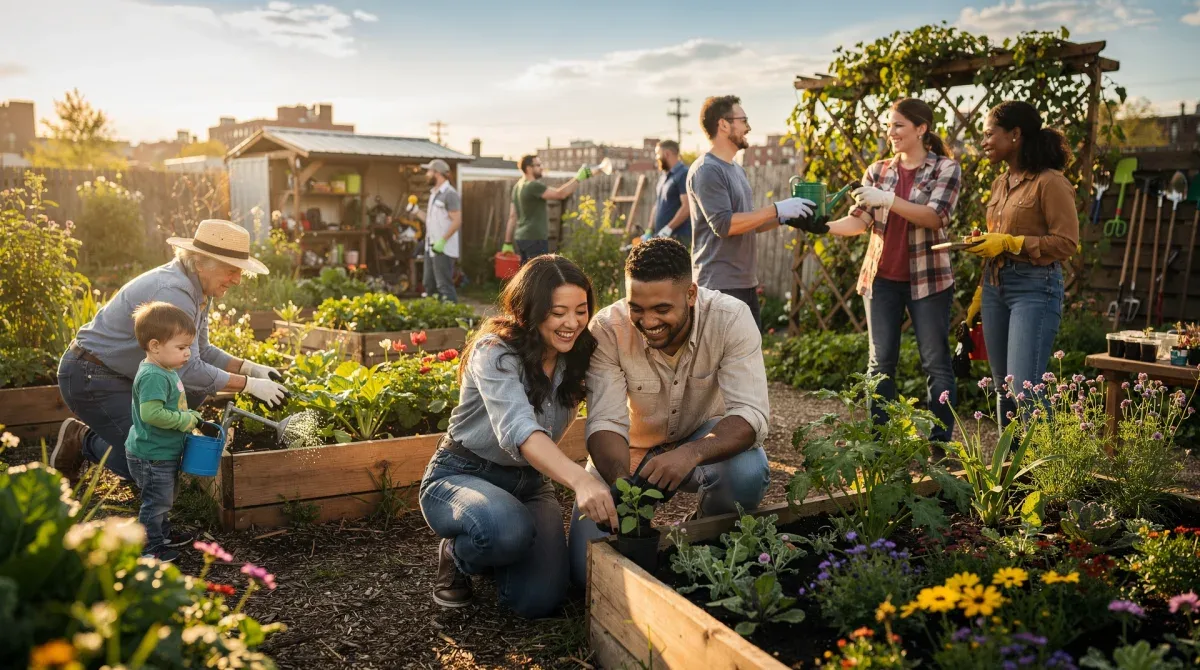
Moreover, don't underestimate the power of local classes. Whether it's a cooking class, a pottery workshop, or a language course, these structured environments provide a consistent opportunity to interact with the same group of people over several weeks. The shared learning experience often leads to informal study groups or social outings after class.
In essence, finding your people means actively pursuing your passions within your new community. By joining clubs, participating in activities, and taking classes that resonate with your interests, you create organic opportunities for connection, making the transition of moving across the country alone feel much less solitary.
Becoming a neighborhood fixture: consistent presence
Building a support network isn't about one-off interactions; it's about consistent presence and becoming a recognizable, friendly face in your neighborhood. Think of your local coffee shop, park, or grocery store as extensions of your living room. The more frequently you visit these places, the more likely you are to encounter the same people, leading to casual greetings that can evolve into deeper conversations.
Consistency signals reliability and approachability. When people see you regularly, they begin to associate you with their community, making them more comfortable initiating conversations or responding positively to your overtures. This strategy is particularly effective when you're moving across the country alone, as it helps to establish a sense of belonging over time.
Establishing routines in local spots
Identify a few local spots you genuinely enjoy and make them part of your regular routine. Maybe it's a specific coffee shop where you read the morning news, a park where you walk your dog, or a gym you visit at a consistent time. The key is to frequent these places often enough that the staff and other regulars start to recognize you.
- Coffee shops: Become a regular. Order the same thing, strike up a brief conversation with the barista, or acknowledge other regulars.
- Parks and trails: If you have a pet, this is an excellent way to meet other pet owners. Even without one, consistent walks can lead to familiar encounters.
- Local businesses: Support your local stores, bakeries, and restaurants. Owners and staff often become informal community hubs.
These seemingly small interactions accumulate. A nod, a smile, a brief chat about the weather – these are the building blocks of familiarity. Over time, these brief exchanges can naturally lead to more substantial conversations and invitations to social gatherings. It's a slow burn, but incredibly effective for deep integration.
Beyond establishing routines, actively participate in neighborhood events, even if they seem small. A community yard sale, a block party, or a neighborhood clean-up day provides a perfect opportunity to interact with many people in a relaxed, communal setting. Show up, offer to help, and be open to meeting new faces.
In summary, becoming a neighborhood fixture requires consistent, deliberate presence in local spaces and active participation in community life. This steady visibility transforms you from a new face into a recognized member of the community, paving the way for a strong support network when moving across the country alone.
Hosting and inviting: opening your door and your heart
While it’s essential to put yourself out there and join existing groups, don't underestimate the power of initiating connections by hosting or inviting others. This step demonstrates confidence and a genuine desire to build relationships. It shifts the dynamic from waiting to be invited to actively creating opportunities for social interaction. It's a bold move, especially when you're moving across the country alone, but often yields the most rewarding results.
Hosting doesn't mean throwing a lavish dinner party from day one. It can be as simple as inviting a new acquaintance for coffee at your place, organizing a casual potluck, or suggesting a joint outing to a local event. The act of extending an invitation shows warmth and a willingness to invest in a budding friendship.
Simple ways to extend invitations
Once you've made some initial connections through other steps, don't hesitate to follow up with an invitation. Keep it low-pressure and casual at first. The goal is to spend more time together in a relaxed setting, allowing conversations to deepen naturally.
- Coffee or tea at your place: A simple, low-stakes invitation that allows for a quiet chat.
- Casual potluck: Invite a few new acquaintances to bring a dish to share. It reduces the hosting burden and encourages communal effort.
- Joint outing: Suggest going to a local festival, a new restaurant, or a park together. Shared experiences are great for bonding.
Remember that not every invitation will be accepted, and that’s perfectly normal. The important thing is to keep trying and not take rejections personally. People have busy lives, and it often takes multiple attempts before schedules align. Persistence, coupled with genuine warmth, is key.

If you're feeling more ambitious, consider organizing a small neighborhood gathering. This could be a casual backyard BBQ, a game night, or even a book club that meets at your home. By taking the lead, you position yourself as a central figure in fostering community, attracting others who are also looking to connect.
Ultimately, hosting and inviting are proactive ways to deepen new relationships. By opening your door and your heart, you create welcoming spaces for connection, significantly accelerating the process of building a robust neighborhood support network after moving across the country alone.
Nurturing connections: turning acquaintances into friends
The final, and arguably most important, step in building a support network is nurturing the connections you've made. It's not enough to simply meet people; you need to invest time and effort into cultivating those relationships. This means consistent follow-up, active listening, and showing genuine interest in others' lives. This transition from acquaintance to friend is where your new support system truly solidifies, especially after the challenging experience of moving across the country alone.
Friendships don't just happen; they are built through shared experiences, mutual support, and vulnerability. As you interact with new people, pay attention to commonalities, remember details about their lives, and look for opportunities to offer help or companionship.
Consistent follow-up and active listening
After a positive interaction, make a point to follow up. A simple text, email, or social media message expressing that you enjoyed their company can go a long way. When you do connect, practice active listening. Ask open-ended questions, remember details about their family, job, or hobbies, and refer back to them in future conversations.
- Remember details: Make mental notes or even discreetly jot down details about new acquaintances (e.g., 'Sarah loves hiking, has a cat named Mittens').
- Offer support: If someone mentions a challenge, offer a listening ear or practical help if appropriate.
- Initiate hangouts: Don't always wait for them to reach out. Suggest another coffee, a walk, or an activity you both enjoy.
Vulnerability also plays a crucial role. While you don't need to share your entire life story immediately, being open about your experiences and feelings can foster deeper trust and connection. Share a funny anecdote, express a challenge you're facing, or simply be yourself. Authenticity is magnetic and encourages others to reciprocate.
Beyond individual connections, look for ways to integrate your new friends into a broader social circle. If you have two new acquaintances who you think would get along, consider introducing them. Organizing group activities can create a sense of community among your new friends, strengthening the overall network.
In essence, nurturing connections is an ongoing process of investing in relationships. By consistently following up, actively listening, showing genuine interest, and being vulnerable, you transform initial acquaintances into a valuable and supportive network, making your new home truly feel like home after moving across the country alone.
Maintaining balance: self-care and social energy
While building a robust support network is vital, especially after moving across the country alone, it’s equally important to maintain a healthy balance between social engagement and self-care. The process of meeting new people and integrating into a new community can be exhilarating, but also incredibly draining. Neglecting your personal well-being can lead to burnout, making it harder to sustain your efforts in the long run.
Self-care isn't selfish; it's a necessary component of sustainable social connection. Understanding your social energy levels and knowing when to recharge ensures you can show up as your best self for new friends and acquaintances. This balance is particularly crucial during the intense first 90 days of a move.
Recognizing and respecting your social limits
Everyone has different social energy reserves. Introverts might find constant social interaction more draining than extroverts, but even extroverts need downtime. Pay attention to how you feel after social events. If you're consistently feeling exhausted or overwhelmed, it might be a sign that you need to schedule more alone time.
- Schedule downtime: Just as you schedule social events, schedule periods of solitude for rest and rejuvenation.
- Say no when needed: It's okay to decline an invitation if you're feeling overwhelmed or simply need a quiet evening.
- Engage in solo hobbies: Continue pursuing activities you enjoy alone, like reading, journaling, or creative pursuits.
Don't fall into the trap of saying yes to every invitation out of fear of missing out or appearing unsociable. A true friend will understand and respect your need for personal time. Prioritizing your well-being ensures that when you do engage socially, you do so with genuine enthusiasm and presence.
Moreover, self-care isn't just about rest; it's also about maintaining your physical and mental health. Ensure you're eating well, getting enough sleep, and exercising regularly. These foundational habits provide the energy and resilience needed to navigate the challenges and joys of building a new life and network.
In conclusion, maintaining balance between social engagement and self-care is paramount when building a support network after moving across the country alone. By recognizing your social limits, scheduling downtime, and prioritizing your overall well-being, you ensure that your efforts to connect are sustainable and genuinely enjoyable, leading to a fulfilling new life.
| Key Step | Brief Description |
|---|---|
| Initial Outreach | Utilize online platforms and local event calendars to understand your new community and find initial connection points. |
| Engage Shared Interests | Join clubs, take classes, or volunteer to meet people with similar hobbies and passions, fostering genuine connections. |
| Consistent Presence | Regularly frequent local spots and attend neighborhood events to become a familiar and approachable face in the community. |
| Nurture Connections | Invest time in following up, active listening, and showing genuine interest to turn acquaintances into lasting friendships. |
Frequently asked questions about building a support network
How long does it typically take to build a support network after moving alone?▼While the initial 90 days are crucial for laying the groundwork, building a truly robust and deep support network can take anywhere from six months to a year or even longer. It's a gradual process requiring consistent effort, patience, and genuine engagement with your new community. Focus on quality over quantity.
What if I'm an introvert? Can I still build a strong network?▼Absolutely. Introverts can build strong networks by focusing on quality interactions rather than large social gatherings. Seek out smaller, more intimate groups or one-on-one meetups based on shared interests. Leverage digital communication to initiate connections, then transition to in-person meetings when you feel comfortable. Pace yourself and respect your energy levels.
How can I overcome shyness when trying to meet new people?▼Start small. Practice striking up brief conversations with baristas or cashiers. Focus on shared activities like classes or volunteer work where interaction is built-in. Prepare a few open-ended questions beforehand. Remember most people are also looking for connection. Frame it as an adventure, not a daunting task, and celebrate small victories.
Are there specific places to avoid when seeking new connections?▼While any place can offer connection, be mindful of environments that prioritize fleeting interactions over genuine connection, such as certain bars or transient tourist spots. Focus on places that foster consistent community, like local clubs, volunteer organizations, or neighborhood cafes, where people are more likely to be regulars and open to deeper engagement.
What if I don't immediately click with anyone?▼It's common for it to take time to find your tribe. Don't get discouraged. Continue exploring different groups and activities. Broaden your search, try new things, and maintain a positive, open mindset. Genuine connections often develop organically and unexpectedly. Patience and persistence are key to discovering compatible individuals.
Conclusion
Moving across the country alone is an adventure that, while challenging, presents a unique opportunity to forge new and meaningful connections. By proactively engaging with digital and local resources, pursuing shared interests, establishing a consistent presence in your neighborhood, actively nurturing emerging relationships, and prioritizing self-care, you can successfully build a robust support network within 90 days. Remember, building community is a journey, not a destination, and every step you take towards connection enriches your new life.
