Third Places in 2026: Non-Commercial Spaces for Connection
In 2026, non-commercial third places are essential for cultivating genuine social connections and building lasting friendships outside of home and work, fostering community and personal fulfillment.
The quest for authentic connection in an increasingly digital world makes the concept of non-commercial third places more relevant than ever. These spaces, distinct from home and work, offer neutral ground for individuals to gather, engage, and form meaningful relationships. As we navigate 2026, understanding and utilizing these vital community hubs is crucial for fostering well-being and building a richer social fabric.
The enduring relevance of third places in a modern world
In an era dominated by digital interactions and the pervasive influence of commercial spaces, the fundamental human need for genuine, in-person connection remains undiminished. Third places, as theorized by sociologist Ray Oldenburg, are those crucial informal public gathering spots that foster community life. They are the living rooms of society, where individuals can relax, converse, and build rapport outside the demands of work or the intimacy of home. In 2026, with evolving social dynamics and the continuous integration of technology into daily life, these spaces offer a vital antidote to isolation and fragmentation.
The concept extends beyond mere physical location; it encompasses an atmosphere of inclusivity, accessibility, and a sense of belonging. Unlike commercial establishments, which often implicitly or explicitly require consumption, non-commercial third places prioritize human interaction and shared experience above all else. This distinction is paramount in cultivating environments where people feel truly free to be themselves and connect on a deeper level. They are the crucibles where casual acquaintances can blossom into lifelong friendships, and where the collective spirit of a neighborhood truly thrives.
Why we need non-commercial gathering spots
- Fostering genuine connection: These spaces encourage spontaneous interactions and conversations, moving beyond superficial pleasantries.
- Building community resilience: Strong third places create a network of support, enhancing a community's ability to adapt and thrive.
- Promoting mental well-being: Regular social engagement in low-pressure environments can significantly reduce feelings of loneliness and stress.
- Enhancing civic engagement: When people feel connected to their local community, they are more likely to participate in its betterment.
The absence of a transactional imperative in non-commercial settings creates an environment of trust and openness. People are not customers but rather fellow community members, sharing space and time without the underlying pressure to buy or sell. This subtle yet profound difference allows for a more organic development of relationships, built on shared interests, mutual respect, and genuine curiosity about one another's lives. The importance of these spaces will only continue to grow as society seeks to balance technological advancement with fundamental human needs.
Ultimately, the enduring relevance of third places in 2026 lies in their ability to provide a consistent, accessible platform for human connection. They are the unsung heroes of social infrastructure, contributing significantly to both individual happiness and collective societal health. Recognizing and actively supporting these spaces is a collective responsibility, ensuring that future generations also have access to the invaluable benefits they provide.

Community gardens: cultivating connections and friendships
Community gardens stand out as prime examples of non-commercial third places, offering verdant oases where individuals can connect with nature and each other. These shared green spaces provide a unique blend of productive activity and social interaction, making them ideal for fostering deep, lasting friendships. Participants often share a common interest in gardening, sustainable living, or simply enjoying the outdoors, creating an instant basis for rapport. The collaborative nature of maintaining a garden naturally leads to conversations, shared knowledge, and mutual support, all ingredients for strong social bonds.
The act of working together on a common project, like planting, weeding, or harvesting, breaks down social barriers and encourages teamwork. Gardeners exchange tips on plant care, share surplus produce, and celebrate successful yields, transforming individual plots into a collective endeavor. These shared experiences create a sense of camaraderie and belonging that is often difficult to find in other settings. Furthermore, community gardens are inherently inclusive, welcoming people of all ages, backgrounds, and skill levels, ensuring a diverse and vibrant social tapestry.
The benefits of shared green spaces
- Shared purpose: Working towards a common goal of nurturing plants fosters teamwork and mutual respect.
- Intergenerational exchange: Elders can share gardening wisdom with younger participants, bridging generational gaps.
- Skill development: Learning new gardening techniques together provides opportunities for shared growth and accomplishment.
- Health and wellness: Physical activity and exposure to nature are proven mood boosters, enhancing overall well-being.
Beyond the practical aspects of gardening, these spaces often host social events such as potlucks, workshops, and harvest festivals, further strengthening community ties. These events provide additional opportunities for casual interaction and celebration, reinforcing the bonds formed during regular gardening activities. The consistent presence of familiar faces, combined with the low-pressure environment, allows relationships to develop organically and authentically over time.
Ultimately, community gardens offer more than just fresh produce; they cultivate a sense of belonging and provide fertile ground for friendships to blossom. They are powerful examples of how simple, shared activities in non-commercial settings can profoundly impact social connection and community health. Supporting and participating in these gardens is a direct investment in a more connected and resilient future.
Public libraries: quiet corners for lively minds
Public libraries, often seen as quiet sanctuaries for reading and study, are powerful non-commercial third places that facilitate social connection in subtle yet profound ways. In 2026, libraries have evolved far beyond mere repositories of books; they are dynamic community hubs offering a vast array of resources, programs, and spaces for people to gather, learn, and interact. Their inherent accessibility and lack of commercial pressure make them ideal environments for forming connections among individuals who might not otherwise meet.
Libraries provide a welcoming atmosphere for diverse groups, from students and researchers to retirees and new immigrants. They host book clubs, workshops, lectures, and cultural events that draw people with shared interests, creating natural opportunities for conversation and friendship. Even in their quietest corners, the shared experience of seeking knowledge or escaping into a story creates an unspoken bond among patrons. The presence of comfortable seating areas, free Wi-Fi, and public computers further encourages extended stays, increasing the likelihood of spontaneous interactions.
The multifaceted role of modern libraries
- Educational hub: Offering free access to books, journals, and digital resources, fostering lifelong learning.
- Community event space: Hosting diverse programs like author talks, craft workshops, and children's story times.
- Technological access point: Providing computers, internet access, and digital literacy training to bridge the digital divide.
- Civic engagement center: Serving as polling places, information centers, and venues for public meetings.
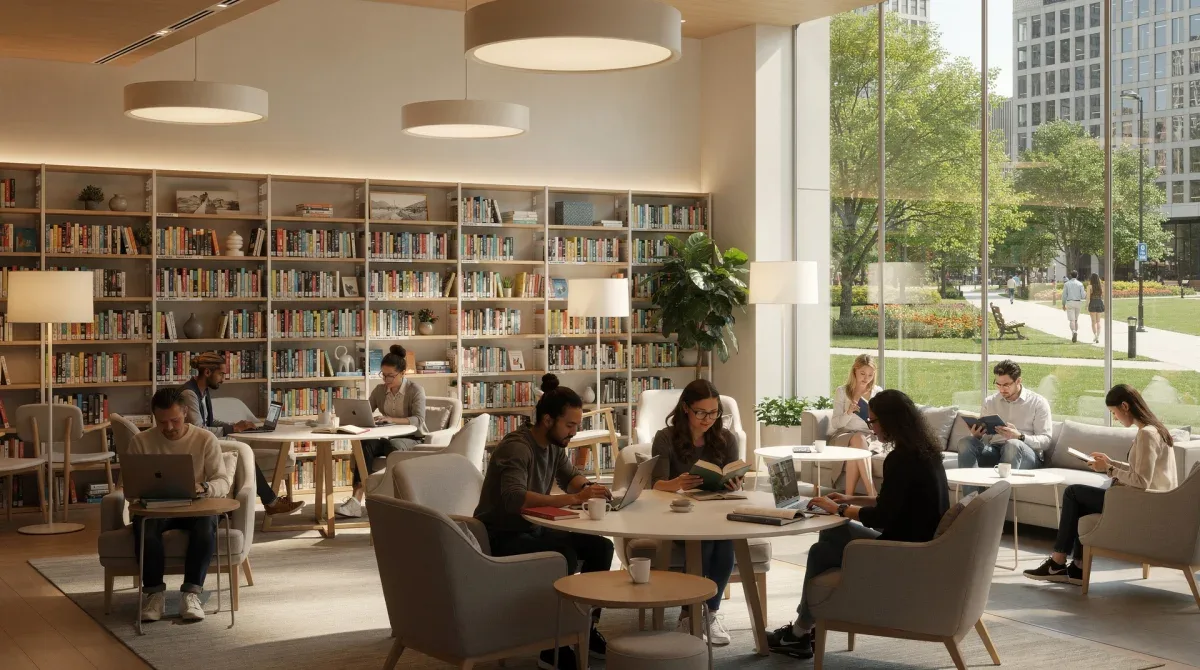
The staff at public libraries often play a crucial role in fostering this sense of community. Librarians are not just curators of information; they are connectors, often knowing their patrons by name and facilitating introductions among individuals with similar interests. This personal touch enhances the welcoming environment and encourages repeat visits, allowing relationships to deepen over time. The library becomes a trusted, familiar space where one can reliably encounter friendly faces.
Moreover, libraries offer a safe and inclusive environment for everyone, regardless of socioeconomic status. This universality is a hallmark of an effective third place, ensuring that all members of the community have access to a space where they can feel valued and connected. In 2026, as the need for accessible, non-commercial spaces continues to grow, public libraries will remain indispensable pillars of social connection and community building.
Community centers: hubs of activity and belonging
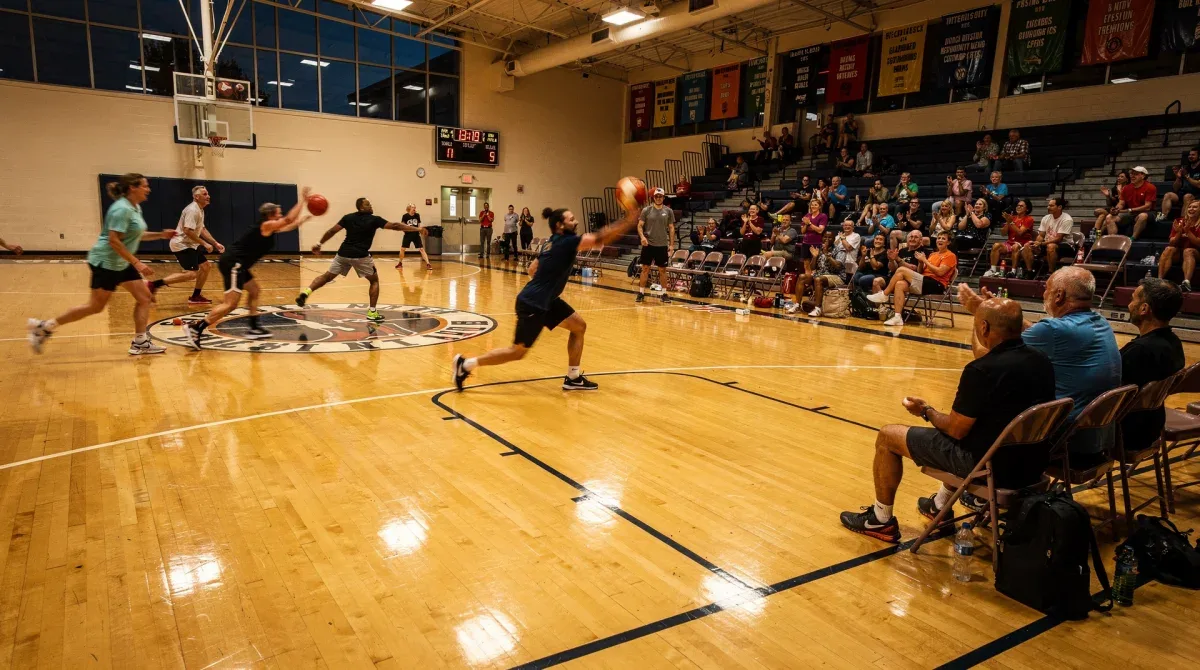
Community centers are quintessential non-commercial third places, serving as vibrant hubs of activity that cater to a wide spectrum of interests and demographics. These centers are intentionally designed to bring people together, offering a diverse array of programs, classes, and recreational opportunities that foster social interaction and a strong sense of belonging. From fitness classes and art workshops to youth programs and senior clubs, community centers provide structured and informal avenues for individuals to connect with their neighbors and form lasting friendships.
The beauty of community centers lies in their ability to offer something for everyone. A parent might drop off their child for a youth sports league and then stay for an adult yoga class, striking up conversations with other parents or participants. A senior might join a weekly card game group, while a young adult attends a coding bootcamp. These varied activities create overlapping social circles, allowing people to discover shared passions and build relationships across different age groups and backgrounds. The consistent schedule of events provides regular opportunities for interaction, which is key to developing strong social ties.
Diverse offerings for all ages
- Recreational sports: Leagues and open play for basketball, volleyball, pickleball, and more, promoting teamwork and friendly competition.
- Arts and crafts: Classes in painting, pottery, knitting, or music, bringing creative individuals together.
- Educational workshops: From cooking classes to financial literacy seminars, offering shared learning experiences.
- Senior programs: Social gatherings, health screenings, and outings specifically designed for older adults.
Beyond organized activities, community centers often feature open common areas, lounges, and cafeterias where people can simply relax, read, or engage in casual conversation. These informal spaces are just as important as the structured programs, providing low-pressure environments for spontaneous interactions. The presence of bulletin boards announcing local events and volunteer opportunities further reinforces the center's role as a central information hub, connecting residents to the wider community.
The dedicated staff and volunteers at community centers are often deeply invested in fostering a welcoming and inclusive atmosphere. Their efforts to organize events, provide support, and facilitate introductions contribute significantly to the sense of community ownership and warmth. In 2026, as communities seek to strengthen their social fabric, community centers will continue to be invaluable resources for building connections and ensuring that everyone has a place to belong.
Parks and green spaces: nature's social sanctuaries
Parks and various green spaces offer some of the most accessible and natural non-commercial third places for fostering social connection. These urban and suburban havens provide ample opportunities for individuals to engage in leisure, recreation, and communal activities, all within the refreshing embrace of nature. The open, inviting character of parks encourages impromptu interactions, making them fertile ground for new friendships to take root. Whether it's a stroll through a botanical garden, a picnic in a sprawling city park, or a casual game on a local green, these spaces facilitate connection without any commercial imperative.
The shared experience of enjoying the outdoors, observing nature, or simply taking a moment of respite creates a common ground for people. Dog parks, for instance, are particularly potent examples, as pet owners frequently strike up conversations while their animals play, often leading to lasting human friendships. Playgrounds act as vital social hubs for parents and guardians, who connect while supervising their children. Even solitary activities like jogging or reading on a bench can lead to brief, friendly exchanges that build a sense of community over time.
Activities that spark connection in green spaces
- Organized group activities: Yoga in the park, outdoor fitness classes, or community art projects bring people together with shared interests.
- Casual sports and games: Pick-up soccer, frisbee, or even chess at designated tables provide easy opportunities for interaction.
- Community events: Outdoor concerts, farmers' markets, and seasonal festivals transform parks into vibrant gathering places.
- Pet interactions: Dog parks are notorious for fostering human connections through shared pet ownership.
Furthermore, many parks and green spaces are designed with features that explicitly encourage social interaction, such as communal picnic areas, walking trails with benches, and designated areas for group activities. These design choices subtly guide people towards shared experiences, enhancing the likelihood of conversation and connection. The regularity of visits by local residents also means that familiar faces become common, fostering a sense of recognition and belonging that underpins strong community ties.
In 2026, as urban environments continue to densify and screen time increases, the role of parks and green spaces as essential non-commercial third places becomes even more critical. They offer a vital counterbalance, providing accessible, low-cost environments where communities can thrive, and individuals can naturally forge friendships, reminding us of the simple yet profound power of shared outdoor experiences.
Volunteer organizations: purpose-driven social bonds
Volunteer organizations represent another powerful category of non-commercial third places, offering a unique avenue for forging deep and lasting friendships through shared purpose. When individuals come together to contribute their time and effort to a common cause, they often form bonds that are stronger and more meaningful than those developed through casual social interactions. The act of volunteering creates an immediate foundation of shared values, empathy, and a collective desire to make a positive impact, which are potent ingredients for genuine connection.
Whether it's working at a local food bank, participating in environmental cleanups, mentoring youth, or assisting at animal shelters, volunteer activities immerse individuals in environments where collaboration and mutual support are paramount. The challenges and triumphs experienced together during these efforts often lead to profound camaraderie. Conversations flow naturally around the task at hand, moving quickly beyond superficialities to reveal shared passions and commitments. This deep engagement fosters a sense of belonging and mutual respect that can quickly evolve into strong friendships.
The unique advantages of volunteering for connection
- Shared values: Connecting with others who care about similar causes creates an instant bond.
- Collaborative effort: Working together towards a common goal fosters teamwork and mutual reliance.
- Sense of purpose: Contributing to something larger than oneself provides fulfillment and a basis for shared identity.
- Skill development and mentorship: Opportunities to learn from and teach others strengthen interpersonal ties.
Volunteer organizations often cultivate a welcoming and inclusive culture, actively seeking to integrate new members and foster a supportive environment. Many groups organize social events outside of their primary volunteer activities, such as appreciation dinners, holiday parties, or informal gatherings. These events provide additional opportunities for volunteers to relax, socialize, and deepen their relationships in a less task-oriented setting. The consistent interaction with the same group of people over time allows friendships to mature and strengthen.
Furthermore, the nature of many volunteer roles requires individuals to communicate effectively, problem-solve collaboratively, and offer emotional support to one another. These experiences build trust and understanding, essential components of any strong friendship. In 2026, as people increasingly seek meaning and connection beyond their professional lives, volunteer organizations will continue to be invaluable non-commercial third places for building purpose-driven social bonds and lifelong friendships.
Cultivating intentional connections in 2026
As we advance further into 2026, the intentional cultivation of strong social connections becomes increasingly vital for individual well-being and community resilience. The digital age, while offering convenience, often leaves a void in authentic human interaction. Non-commercial third places – community gardens, public libraries, community centers, and volunteer organizations – stand as essential pillars in bridging this gap. These spaces provide accessible, low-pressure environments where individuals can organically gather, share, and build meaningful relationships without the underlying pressure of commerce.
The common thread uniting these diverse third places is their capacity to foster a sense of belonging and shared purpose. Whether through the collaborative effort of nurturing a garden, the quiet camaraderie of a library, the energetic participation in a community center activity, or the profound bond formed through volunteer work, these environments encourage genuine human connection. They serve as antidotes to isolation, offering consistent opportunities to encounter familiar faces and forge new friendships based on mutual interests and respect.
Strategies for maximizing third place engagement
- Proactive participation: Don't wait for an invitation; seek out local community gardens, library events, or volunteer opportunities.
- Consistent presence: Regular visits to a chosen third place increase the likelihood of forming deeper connections.
- Openness to interaction: Be approachable, smile, and initiate conversations, even if brief.
- Shared activities: Engage in programs or tasks that require collaboration and teamwork.
Embracing these non-commercial third places requires a conscious effort to step away from screens and into shared physical spaces. It means valuing the richness of in-person interaction and recognizing the profound impact these environments have on our social health. By actively seeking out and engaging with these community assets, we not only enrich our own lives with lifelong friends but also contribute to the creation of more connected, vibrant, and supportive communities for everyone.
The future of social connection in 2026 and beyond lies in our collective commitment to nurturing and utilizing these invaluable non-commercial gathering spots. They remind us that some of life's most profound joys and strongest bonds are found not in transactions, but in shared moments of genuine human connection.
| Key Third Place | Description & Connection Benefit |
|---|---|
| Community Gardens | Shared purpose in nurturing plants fosters teamwork, conversation, and intergenerational bonds. |
| Public Libraries | Evolved hubs for learning and events, offering accessible, low-pressure environments for diverse interactions. |
| Community Centers | Diverse programs and activities cater to all ages, creating overlapping social circles and a strong sense of belonging. |
| Volunteer Organizations | Purpose-driven activities build deep bonds through shared values and collaborative effort for a common cause. |
Frequently asked questions about third places
What exactly are third places?▼Third places are informal public gathering spots, distinct from home (first place) and work (second place). They are typically inclusive, accessible, and foster a sense of community, encouraging social interaction and the formation of relationships outside of commercial imperatives.
Why are non-commercial third places important in 2026?▼In 2026, non-commercial third places are crucial for combating social isolation and fostering genuine human connection in an increasingly digital world. They provide neutral ground for community building, mental well-being, and the development of lasting friendships without transactional pressures.
How do community gardens help build friendships?▼Community gardens foster friendships through shared purpose and collaborative effort. Working together on gardening tasks, exchanging tips, and participating in shared events naturally lead to conversations, camaraderie, and strong bonds among individuals with a common interest in nature and community.
Can libraries truly be considered social hubs?▼Absolutely. Modern libraries are dynamic social hubs offering more than just books. They host diverse programs, workshops, and events that bring people together, providing comfortable spaces for quiet interaction, learning, and community engagement, fostering connections across various demographics.
What role do volunteer organizations play in forming friendships?▼Volunteer organizations are powerful friendship incubators because they unite individuals around shared values and a common cause. Working collaboratively towards a meaningful goal creates deep bonds, mutual respect, and a sense of collective purpose, leading to profound and lasting connections.
Conclusion
The intentional seeking out and engagement with non-commercial third places remains a cornerstone for fostering deep social connections and building resilient communities in 2026. From the collaborative spirit found in community gardens to the intellectual camaraderie of public libraries, the diverse activities at community centers, and the shared purpose within volunteer organizations, these spaces are invaluable. They offer vital antidotes to modern isolation, providing accessible, low-pressure environments where genuine human interaction flourishes. By actively participating in and supporting these essential hubs, we not only enrich our personal lives with lifelong friendships but also contribute significantly to the overall well-being and interconnectedness of our neighborhoods and society at large.
