Pop Culture Collecting 2026: Spot Overhyped Resale Traps
To successfully navigate pop culture collecting in 2026, understanding the four crucial rules for spotting overhyped resale traps is essential for protecting a $500 budget and making informed acquisition decisions.
Welcome to the exciting, yet often treacherous, world of pop culture collecting in 2026. With the market constantly evolving, distinguishing genuine gems from overhyped resale traps has become more critical than ever, especially when working with a defined $500 budget. This guide will equip you with the foresight and strategies needed to make smart choices, ensuring your passion for collecting remains a source of joy, not financial regret.
Understanding the 2026 pop culture collecting landscape
The pop culture collecting landscape in 2026 is a vibrant, dynamic ecosystem, shaped by rapid digital advancements, evolving fandoms, and a globalized marketplace. What was once a niche hobby has transformed into a significant economic force, attracting both passionate enthusiasts and shrewd investors. However, this growth also brings increased volatility and the proliferation of speculative bubbles.
New technologies, such as advanced authentication methods and blockchain-backed provenance, are slowly being integrated, aiming to bring more transparency to transactions. Yet, the human element of hype and speculation remains a powerful, often unpredictable, factor. Collectors must navigate platforms ranging from traditional auction houses to decentralized online communities, each with its own set of risks and rewards.
The rise of digital and hybrid collectibles
While physical collectibles like action figures, comics, and trading cards still dominate, the digital realm has introduced new forms of collecting. Non-fungible tokens (NFTs) representing digital art, virtual assets, and unique in-game items have carved out a significant, albeit volatile, segment. Hybrid collectibles, which pair a physical item with a digital counterpart, are also gaining traction, offering a blend of tangible and intangible value.
- Digital provenance: Blockchain technology is increasingly used to verify ownership and authenticity of digital assets.
- Virtual economies: In-game items and digital real estate can command high prices within specific gaming communities.
- Hybrid models: Physical items bundled with exclusive digital content or authentication tokens are becoming more common.
The convergence of physical and digital collecting means that understanding value extends beyond the tangible. Assessing the long-term viability of digital assets and the cultural relevance of hybrid offerings requires a nuanced approach, moving beyond simple aesthetic appeal or immediate popularity. This complex environment necessitates a keen understanding of both market mechanics and the underlying cultural currents.
Ultimately, the 2026 collecting scene is characterized by its accessibility and diversity, yet also by its inherent challenges. Identifying genuine value amidst the noise requires diligence, research, and a clear strategy to avoid falling prey to fleeting trends and artificially inflated prices. This foundational understanding is the first step in protecting your budget and building a resilient collection.

Rule 1: research beyond the hype
In the fast-paced world of pop culture collecting, hype can be a powerful, misleading force. It often drives prices sky-high for items that lack intrinsic, long-term value. The first rule to protecting your $500 budget in 2026 is to always research beyond the immediate buzz, focusing on fundamental factors that indicate sustainable worth.
Initial excitement around a new release or a trending franchise can create a false sense of urgency, pushing collectors to make impulsive purchases. Social media and online forums, while valuable for community building, can also amplify speculative bubbles. Discerning collectors understand that true value rarely relies solely on current popularity.
Evaluating genuine scarcity and demand
Many items are marketed as "limited edition," but not all limited editions are genuinely scarce in a way that fuels sustained demand. True scarcity involves not just a low production run, but also a high, consistent interest from a dedicated collector base over time. Look for items tied to enduring cultural phenomena rather than fleeting fads.
- Production numbers: Investigate actual production quantities, not just marketing claims.
- Franchise longevity: Is the item tied to a franchise with a proven history and future potential?
- Collector community: Does a robust, active, and long-standing community exist for this specific type of collectible?
Understanding the difference between artificial scarcity (e.g., a common item with a slightly different paint job) and genuine scarcity (e.g., a truly rare prototype or a historically significant piece) is paramount. Overhyped items often leverage artificial scarcity to create a temporary surge in demand, which quickly dissipates once the initial excitement fades.
Furthermore, consider the nature of demand. Is it driven by genuine appreciation for the item's artistry, significance, or nostalgia, or is it purely speculative, fueled by the expectation of quick profits? Items with strong intrinsic appeal tend to hold their value better than those whose appeal is solely based on potential resale. By digging deeper into the origins, production, and long-term cultural impact of an item, you can make more informed decisions that safeguard your investment.
Rule 2: scrutinize market trends versus intrinsic value
The second rule for smart pop culture collecting in 2026, especially with a $500 budget, is to critically scrutinize market trends and always prioritize intrinsic value. Trends are by their nature temporary; intrinsic value, however, is a foundational element that dictates an item's long-term worth, regardless of short-term fluctuations.
Market trends can be seductive, pointing towards rapid gains for certain items. However, these trends often represent the peak of a speculative cycle, meaning that buying into them can lead to significant losses once the trend inevitably cools. A discerning collector looks beyond the immediate upward trajectory of a price chart.
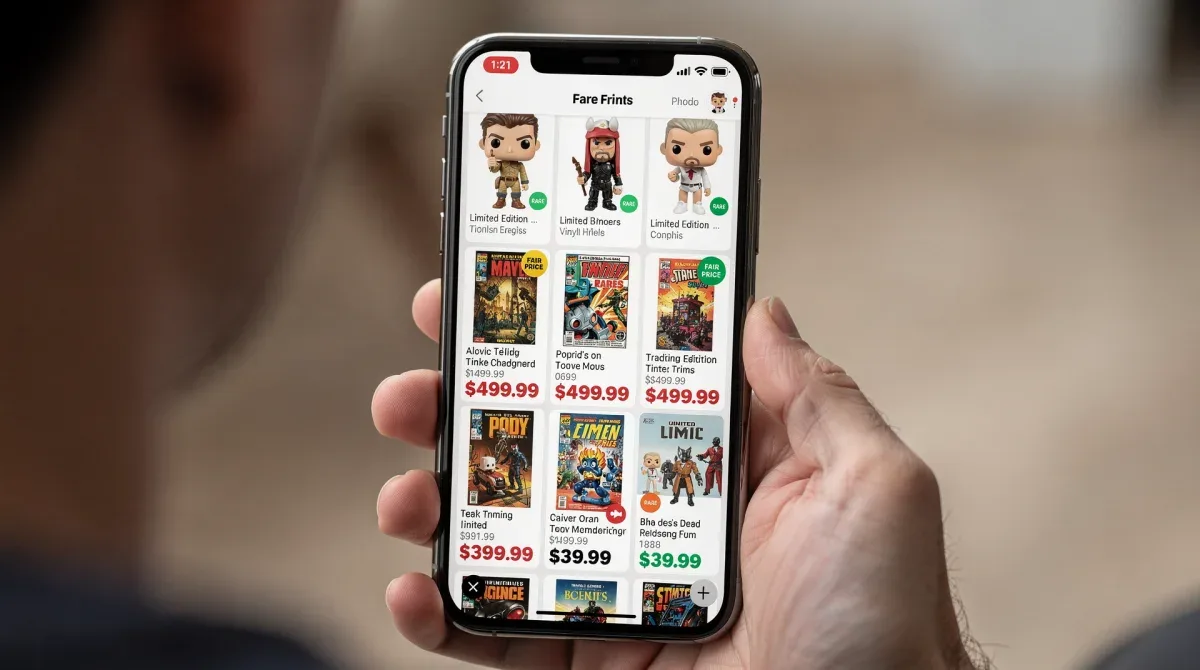
Identifying an item's intrinsic worth
Intrinsic value refers to the inherent qualities of a collectible that give it lasting appeal. This can include its artistic merit, historical significance, cultural impact, uniqueness, and the quality of its craftsmanship. These factors contribute to an item's desirability independent of its current market price.
- Artistic merit: Is the item well-designed, visually appealing, or representative of a significant artistic movement?
- Historical significance: Does it mark a pivotal moment in pop culture history, or is it associated with a legendary creator?
- Cultural impact: Has the item or its associated franchise left a lasting mark on society or a specific subculture?
- Craftsmanship: Is the item made with high-quality materials and attention to detail?
Consider the difference between a mass-produced item that briefly spikes in price due to a viral moment and a meticulously crafted, limited-edition piece from a revered artist or studio. The latter, despite potentially having a slower growth trajectory, is more likely to retain and increase its value over time due to its fundamental qualities.
When evaluating market trends, ask yourself if the current price surge is backed by these intrinsic qualities or if it's merely a reflection of speculative interest. Overhyped items often lack deep intrinsic value, making them vulnerable to sharp price corrections. By focusing on the enduring qualities of a collectible, you can build a more stable and personally rewarding collection, rather than chasing fleeting market fads that can quickly deplete your budget.
Rule 3: set a strict budget and stick to it
Managing your finances is paramount in any collecting endeavor, and for pop culture collecting in 2026, setting a strict budget and adhering to it is the third crucial rule. With a $500 budget, every dollar counts, and impulsive purchases driven by hype can quickly derail your collecting goals and lead to buyer's remorse.
It's easy to get swept up in the excitement of a new release or the thrill of an auction. However, without a clear financial boundary, you risk overspending on items that may not align with your long-term collecting strategy or, worse, losing money on speculative purchases. A budget acts as a safeguard against emotional buying decisions.
Strategies for budget-conscious collecting
To effectively manage your $500 budget, several practical strategies can be employed. These tactics focus on maximizing value, prioritizing acquisitions, and avoiding common financial pitfalls that plague many collectors.
- Prioritize acquisitions: Identify your top collecting goals and allocate your budget accordingly. Focus on quality over quantity.
- Set price limits: Before engaging with any item, decide the maximum you are willing to pay and stick to it.
- Track spending: Keep a detailed record of all your purchases to monitor your budget and identify spending patterns.
- Explore alternatives: Sometimes, a slightly less rare variant or a well-maintained used item can offer similar satisfaction at a fraction of the price.
Avoid the "fear of missing out" (FOMO) that often drives overspending. Many desirable items reappear on the market, or comparable alternatives become available. Patience is a virtue in collecting, especially when operating within a tight budget. Waiting for the right opportunity can save you significant money and prevent you from acquiring items you later regret.
Furthermore, consider diversifying your collecting interests within your budget. Instead of focusing all $500 on one potentially overhyped item, you might acquire several smaller, more stable pieces that bring you greater satisfaction and less financial risk. By treating your budget as a strict guideline rather than a flexible suggestion, you cultivate discipline and make more strategic choices, ensuring your passion for collecting remains enjoyable and sustainable.
Rule 4: verify authenticity and condition meticulously
The fourth rule, vital for protecting your $500 budget in pop culture collecting in 2026, is to verify authenticity and condition with meticulous care. The resale market, while offering incredible opportunities, is also rife with counterfeits, reproductions, and items misrepresented in terms of their state. A flawed or fake item not only wastes your money but also undermines the integrity of your collection.
In an era where high-quality reproductions are increasingly sophisticated, relying solely on visual inspection can be risky. Collectors must adopt a comprehensive approach to authentication, leveraging all available tools and knowledge to ensure the legitimacy and stated condition of their acquisitions.
Tools and techniques for verification
Several methods and resources can help you ascertain the authenticity and true condition of a collectible. These range from established industry standards to community-driven knowledge bases.
- Reputable sellers: Always purchase from well-known, highly-rated sellers with a history of positive transactions and clear return policies.
- Detailed imagery: Request high-resolution photos from multiple angles, especially of any potential flaws or unique identifiers.
- Authentication services: For higher-value items (even within a $500 budget, if it's a significant portion), consider professional authentication services.
- Community expertise: Engage with online forums and communities where experienced collectors can offer insights and identify red flags.
Pay close attention to packaging, labels, and specific manufacturing details that are unique to authentic items. Counterfeits often have subtle differences in font, color, material, or construction that can be detected upon close inspection. For items like trading cards, comics, or figures, understanding grading scales (e.g., PSA, CGC, AFA) is crucial to accurately assess condition and avoid overpaying for a lower-grade item.

Never rush the verification process. If a deal seems too good to be true, it often is. Take your time, ask questions, and if necessary, seek a second opinion. By being diligent in verifying both authenticity and condition, you safeguard your budget against costly mistakes and ensure that every item added to your collection genuinely holds the value you expect.
The psychology of collecting: balancing passion and prudence
Collecting is deeply rooted in human psychology, driven by a blend of nostalgia, the thrill of the hunt, and the satisfaction of ownership. In 2026, understanding this psychology is key to balancing passion with financial prudence, especially when navigating the volatile pop culture market with a $500 budget. The emotional connection to collectibles can sometimes cloud judgment, making one susceptible to overhyped resale traps.
The dopamine rush from acquiring a desired item, or the social validation from displaying a rare piece, can be powerful motivators. However, these emotional drivers can also lead to impulsive decisions, causing collectors to pay inflated prices or acquire items that don't align with their long-term interests. Recognizing these psychological triggers is the first step towards rational decision-making.
Cultivating a mindful collecting approach
To avoid pitfalls, cultivate a mindful approach to collecting. This involves self-awareness, critical thinking, and a deliberate strategy to ensure your hobby remains a source of enjoyment and not financial stress. It's about enjoying the process and the items themselves, rather than solely focusing on their potential resale value.
- Self-reflection: Understand what truly drives your collecting. Is it genuine interest, or the desire for quick profit or social status?
- Delayed gratification: Practice waiting before making a purchase, allowing initial hype to subside and enabling more rational evaluation.
- Community engagement: Share insights and seek advice from experienced collectors who prioritize sustainable collecting practices.
Remember that collecting is a journey, not a race. There will always be new items, new trends, and new opportunities. Missing out on one item is not the end of the world. Focusing on items that bring you personal joy and align with your genuine interests will lead to a more fulfilling collection, regardless of market fluctuations.
By consciously managing the psychological aspects of collecting, you empower yourself to make decisions that are both emotionally satisfying and financially sound. This balance allows you to enjoy the rich world of pop culture collecting without falling victim to the speculative whims of the market, ensuring your $500 budget is spent wisely on items you truly cherish.
Future-proofing your pop culture collection
As we look beyond 2026, the landscape of pop culture collecting will undoubtedly continue to evolve. Future-proofing your collection means making strategic choices today that will help your acquisitions retain and potentially increase their value in the long term, even with a modest $500 budget. This involves anticipating shifts in fandom, technology, and market dynamics.
The key to future-proofing isn't about predicting every micro-trend, but rather understanding macro-trends and investing in items with enduring appeal. This means focusing on quality, cultural significance, and genuine rarity, rather than short-lived popularity. A well-curated collection built on these principles is more resilient to market volatility.
Adapting to evolving market technologies
The integration of new technologies will continue to shape how we collect, buy, and sell. Staying informed about advancements in authentication, digital ownership, and online marketplaces is crucial for long-term collecting success.
- Blockchain integration: Expect more collectibles to incorporate blockchain for provenance and ownership verification.
- AI-driven analytics: AI tools may offer more sophisticated market analysis, helping identify genuine trends versus hype.
- Virtual and augmented reality: These technologies could enhance how we display, interact with, and even experience collectibles.
Consider the longevity of the media or franchise an item represents. Classic characters, timeless stories, and groundbreaking innovations tend to have a longer shelf life in pop culture than ephemeral viral sensations. Items from franchises with multi-generational appeal are often safer bets for long-term value retention.
Furthermore, focus on items that tell a story or represent a significant moment in time. These narrative-rich pieces often transcend market trends because their value is tied to cultural memory and historical importance. By carefully selecting items that possess these enduring qualities and staying abreast of technological shifts, you can build a pop culture collection that not only survives but thrives in the years to come, maximizing the potential of your initial $500 investment.
| Key Rule | Brief Description |
|---|---|
| Research Beyond Hype | Investigate genuine scarcity and long-term demand over fleeting popularity. |
| Scrutinize Trends vs. Value | Prioritize intrinsic worth (art, history, craftsmanship) over temporary market trends. |
| Set a Strict Budget | Adhere to your $500 limit to prevent impulsive, costly purchases. |
| Verify Authenticity/Condition | Meticulously check for fakes and accurately assess item condition. |
Frequently asked questions about pop culture collecting
What are the biggest risks in pop culture collecting in 2026?▼The biggest risks include overpaying due to speculative hype, acquiring counterfeit items, and misjudging the long-term relevance of fleeting trends. Digital collectibles also introduce volatility and security concerns related to ownership and digital asset management. Careful research and verified sources are crucial to mitigate these risks.
How can I spot an overhyped resale trap with a $500 budget?▼Look for items with sudden, extreme price spikes lacking historical precedent or strong intrinsic value. Be wary of marketing that emphasizes scarcity without verifiable production numbers. Cross-reference prices across multiple platforms and consult seasoned collectors. Prioritize items from established franchises with consistent fan bases over viral sensations.
Is investing in digital pop culture collectibles a good idea in 2026?▼Digital collectibles, like NFTs, can be highly volatile. While some have seen significant gains, many are speculative. It's crucial to understand the underlying technology, the project's community, and the creator's reputation. Approach with caution, and only allocate funds you are prepared to lose, especially within a $500 budget.
What role does community play in smart collecting?▼Community is invaluable for sharing knowledge, identifying fakes, and understanding true market sentiment beyond hype. Engaging with reputable forums and collector groups provides access to experienced insights, historical data, and warnings about potential scams. It helps build trust and informs better decision-making for your collection.
How important is condition for the value of a collectible?▼Condition is paramount. Even minor flaws can significantly decrease an item's value, especially for higher-end collectibles. Always seek detailed photos and descriptions, and understand grading scales for specific categories. For items within a $500 budget, a pristine condition can mean the difference between a smart buy and a regrettable one.
Conclusion
Navigating the vibrant yet challenging world of pop culture collecting in 2026 requires a strategic mindset, particularly when operating with a $500 budget. By diligently applying the four core rules—researching beyond the hype, scrutinizing market trends versus intrinsic value, setting a strict budget, and meticulously verifying authenticity and condition—collectors can confidently build a meaningful and valuable collection. This approach safeguards against overhyped resale traps and ensures that your passion for pop culture remains a source of enduring enjoyment and smart financial decisions.
