Rebuild Your Social Circle in 60 Days: A Data-Driven Guide
This guide outlines a strategic, data-driven framework for adults to rebuild their core social circle within a 60-day timeframe, emphasizing actionable steps for cultivating authentic and supportive relationships.
Feeling a bit disconnected lately? Many adults find themselves in a similar boat, realizing their social circle has shrunk over time. This comprehensive guide will show you How to Rebuild Your Core Social Circle in 60 Days: A Data-Driven Guide for Adults, offering practical strategies to forge meaningful connections and enhance your overall well-being.
Understanding the Erosion of Social Circles in Adulthood
Life transitions often lead to shifts in our social networks. Adulthood brings career changes, geographical moves, marriage, parenthood, and evolving interests, all of which can naturally distance us from old friends and make forming new ones challenging. Recognizing these common patterns is the first step toward intentionally rebuilding.
The demands of modern life, characterized by busy schedules and digital distractions, frequently leave little room for spontaneous social interaction. Many individuals report feeling isolated despite being constantly 'connected' online. This paradox highlights the need for deliberate effort in cultivating genuine, in-person relationships that truly fulfill our innate need for belonging.
Common Factors Contributing to Social Disconnect
Several underlying factors contribute to the gradual erosion of social circles. Understanding these can help you address them proactively:
- Life Transitions: Major life events like relocating for a job, getting married, or having children often shift priorities and available time.
- Time Constraints: Work, family responsibilities, and personal commitments can make it difficult to dedicate time to social activities.
- Digital Overload: While useful, excessive reliance on social media can create a false sense of connection, replacing deeper interactions.
- Lack of Shared Interests: As we grow, our hobbies and passions may change, leading to a natural drift from friends with whom we once shared common ground.
Addressing the root causes of social isolation requires an honest assessment of your current lifestyle and a willingness to adjust. It's not about blaming circumstances but about empowering yourself to create new opportunities for connection. The goal is to move from passive acceptance to active construction of your desired social life.
Phase 1: Self-Assessment and Goal Setting (Days 1-15)
Before embarking on any rebuilding effort, a clear understanding of your current social landscape and your desired outcomes is crucial. This initial phase focuses on introspection and strategic planning, laying a solid foundation for the subsequent actions. Without this clarity, efforts can be scattered and less effective.
Begin by taking stock of your existing relationships. Who are the people currently in your life? Are these connections fulfilling? What kind of relationships are you missing? This isn't about judgment, but about honest evaluation to identify gaps and areas for growth. Consider the quality over quantity of your current interactions.
Defining Your Ideal Social Circle
What does a fulfilling social circle look like for you? It's important to be specific. Do you seek intellectual companions, adventurous friends, or simply a reliable support system? Different types of relationships fulfill different needs. Reflect on past friendships that brought you joy and consider what made those connections special.
- Identify Core Values: What qualities do you value most in others? Honesty, humor, empathy, ambition?
- Desired Activities: What activities do you envision doing with your new social circle? Hiking, book clubs, dinner parties, volunteering?
- Relationship Depth: Are you looking for casual acquaintances, close friends, or a mix? Define the level of intimacy you desire.
Setting clear, measurable goals is paramount. Instead of a vague desire to 'make more friends,' aim for specific targets, such as 'meet two new people with shared interests each week' or 'initiate one social outing with an acquaintance every two weeks.' These concrete goals provide a roadmap and allow you to track progress effectively.
Phase 2: Strategic Outreach and Engagement (Days 16-45)
With a clear understanding of your social goals, this phase is about active engagement and strategic outreach. It involves stepping outside your comfort zone and intentionally creating opportunities for connection. Remember, building relationships is a two-way street, requiring both initiation and reciprocation.

Start by revisiting existing acquaintances. Think about people you know from work, old school connections, or friends of friends. A casual message or invitation to grab coffee can reignite dormant connections. Often, the easiest path to expanding your circle is through people you already have a slight connection with.
Leveraging Existing Networks and New Opportunities
Don't underestimate the power of your current network. Let friends and family know you're looking to expand your social circle. They might introduce you to like-minded individuals. Additionally, actively seek out new environments that align with your interests.
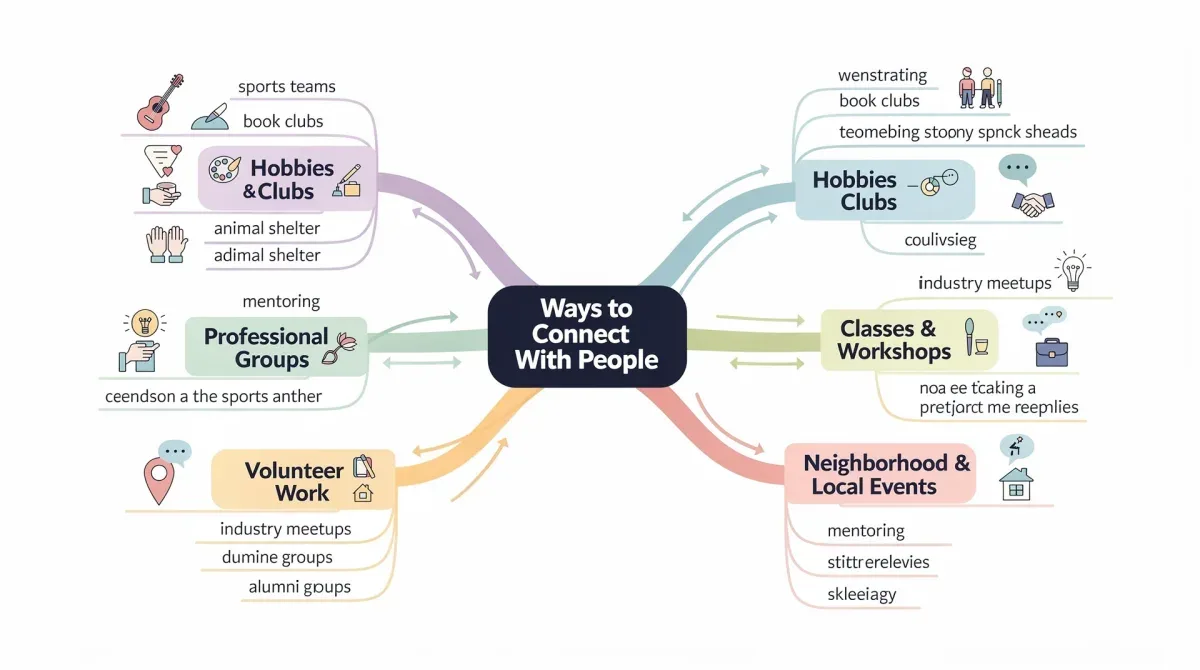
- Join Clubs or Groups: Participate in local clubs, sports leagues, book clubs, or volunteer organizations. Shared activities naturally foster connections.
- Attend Workshops and Classes: Enroll in a class that genuinely interests you, whether it's cooking, pottery, or a new language. These settings provide structured interaction.
- Professional Networking: While primarily career-focused, professional events can also lead to genuine friendships with shared professional interests.
The key here is consistency and authenticity. Don't just show up; actively participate, ask questions, and be genuinely interested in others. Follow up with people you connect with, suggesting another meet-up. This proactive approach signals your openness to friendship and strengthens nascent bonds.
Phase 3: Deepening Connections and Sustaining Momentum (Days 46-60)
Once you've made initial connections, the focus shifts to nurturing those relationships and ensuring their longevity. True friendship requires consistent effort, vulnerability, and mutual support. This final phase is about transforming acquaintances into genuine, lasting friendships.
Initiate one-on-one interactions. While group settings are great for meeting people, deeper bonds often form during individual conversations. Suggest activities that allow for more personal interaction, such as a quiet dinner, a walk in the park, or a visit to a museum. These settings facilitate meaningful dialogue.
Strategies for Nurturing New Friendships
Building depth in relationships involves several key practices. It's about showing up consistently and being a reliable, supportive presence in others' lives.
- Active Listening: Pay genuine attention when people speak, remember details about their lives, and follow up on previous conversations.
- Offer Support: Be there for your new friends during tough times and celebrate their successes. Reciprocity is vital for strong bonds.
- Be Vulnerable (Appropriately): Share aspects of your own life, thoughts, and feelings. This fosters trust and allows others to connect with you on a deeper level.
- Consistency is Key: Regularly check in, suggest activities, and make time for your new connections. Friendships thrive on consistent interaction.
It's important to understand that not every connection will blossom into a deep friendship, and that's perfectly fine. Focus your energy on those relationships where there's a natural reciprocal interest and a shared desire for connection. The goal is quality over sheer numbers, building a core circle that truly enriches your life.
Overcoming Common Obstacles in Adult Friendship Building
Rebuilding a social circle as an adult comes with its unique set of challenges. Time constraints, fear of rejection, and the perception that everyone already has their friends can be significant hurdles. Acknowledging these obstacles and developing strategies to circumvent them is crucial for success.
One common barrier is the 'comfort zone trap.' It's easy to stick to familiar routines and avoid situations that might feel awkward or uncomfortable. However, growth and new connections often lie just beyond this comfort zone. Challenge yourself to say 'yes' to invitations, even if you feel a slight apprehension. The reward of a new friendship often outweighs the initial discomfort.
Practical Solutions for Persistent Challenges
Specific strategies can help navigate the most frequent difficulties:
- Managing Time Effectively: Integrate social activities into your routine. Treat social appointments with the same importance as work or family commitments. Schedule them in advance.
- Addressing Fear of Rejection: Understand that rejection is a normal part of life and not a reflection of your worth. Focus on finding compatible connections.
- Initiating Conversations: Practice open-ended questions. Ask about people's passions, experiences, and opinions. Show genuine curiosity rather than just waiting for your turn to speak.
- Utilizing Digital Tools Wisely: Use social media and apps to discover local events and groups, but prioritize moving interactions offline to build genuine connections.
Remember that patience is a virtue in this process. Building meaningful relationships takes time and consistent effort. There will be moments of frustration or slow progress, but by staying persistent and adaptable, you will gradually cultivate the social circle you desire. Celebrate small victories and learn from every interaction.
The Data-Driven Advantage: Tracking and Adapting Your Approach
Applying a data-driven mindset to social connection might sound unusual, but it simply means observing what works, what doesn't, and adjusting your strategies accordingly. This systematic approach allows for continuous improvement and ensures your efforts are yielding the best possible results.
Start by keeping a simple log. This doesn't need to be overly formal; a note on your phone or a small journal will suffice. Track where you met new people, what activities led to positive interactions, and what types of follow-up were most effective. This creates a personal dataset for your social experiments.
Metrics for Social Success and Refinement
Consider these informal 'metrics' to gauge your progress and adapt your strategy:
- Connection Points: How many new people did you meet this week?
- Follow-up Success Rate: How many initial connections led to a second interaction?
- Activity Engagement: Which activities consistently provide opportunities for meaningful conversation?
- Emotional Fulfillment: Are your new connections bringing you joy and support? This is the ultimate metric.
Regularly review your log. If you notice a particular type of event consistently leads to superficial interactions, perhaps pivot to a different kind of gathering. If certain follow-up methods are ineffective, try a different approach. This iterative process of tracking, analyzing, and adapting ensures your 60-day plan is dynamic and responsive to your real-world experiences, maximizing your chances of success in rebuilding your social circle.

Sustaining Your Rebuilt Social Circle Beyond 60 Days
Reaching the 60-day mark is a significant achievement, but the work of maintaining and nurturing a thriving social circle is ongoing. Just as plants need continuous care, friendships require consistent attention to flourish. This final section focuses on strategies for long-term social well-being.
Prioritize regular check-ins and shared experiences. Make it a habit to reach out to your core friends, even if it's just a quick text or a call. Plan recurring activities, like a monthly dinner or a weekly walk, to ensure consistent interaction. These small efforts accumulate over time to strengthen bonds.
Long-Term Strategies for Social Health
To ensure your social circle remains vibrant and supportive, consider these enduring practices:
- Be Proactive: Don't always wait for others to initiate. Take the lead in planning activities and reaching out.
- Practice Empathy and Support: Be a good listener and offer genuine support during both good times and bad. True friends are there for each other.
- Embrace Vulnerability: Continue to share openly and honestly (within appropriate boundaries) to deepen trust and intimacy.
- Manage Expectations: Understand that friendships evolve. Some may become closer, while others may naturally drift. Focus on the quality of your current connections.
- Expand Your Horizons: Continue to explore new interests and meet new people. A dynamic social life is one that continues to grow and adapt.
Ultimately, a healthy social circle is a reflection of intentional effort and genuine care. By consistently investing in your relationships, being open to new experiences, and adapting your approach as life changes, you can ensure your core social circle remains a source of joy, support, and connection for years to come. The 60-day challenge is merely the beginning of a fulfilling social journey.
| Key Phase | Brief Description |
|---|---|
| Self-Assessment (Days 1-15) | Evaluate current social landscape and define ideal social circle and goals. |
| Strategic Outreach (Days 16-45) | Actively engage in new activities and leverage existing networks to meet people. |
| Deepening Connections (Days 46-60) | Nurture new connections through one-on-one interactions and consistent effort. |
| Sustaining Momentum | Implement long-term strategies for maintaining and growing your social network. |
Frequently Asked Questions About Rebuilding Social Circles
Is it really possible to rebuild a social circle in just 60 days?▼Yes, it is entirely possible to make significant progress in rebuilding your social circle within 60 days. This timeframe allows for focused effort and consistent action, laying a strong foundation for new friendships. While deep bonds take longer, you can certainly establish many meaningful connections in this period.
What if I'm an introvert? Will these strategies still work for me?▼Absolutely. The strategies are adaptable for introverts. Focus on quality over quantity, choosing activities that align with your energy levels, like smaller group settings or one-on-one interactions. Introverts often form deeper, more meaningful connections, which is a significant advantage in rebuilding a core social circle.
How do I overcome the fear of rejection when trying to make new friends?▼Understand that rejection is a normal part of life and not a reflection of your worth. Focus on developing resilience and a growth mindset. Not every interaction will lead to a friendship, and that's okay. Each attempt is a learning opportunity. Celebrate small successes and remember your goal of genuine connection.
What are the best places for adults to meet new people with shared interests?▼Excellent places include hobby-based clubs (book clubs, hiking groups), volunteer organizations, community classes (cooking, art, language), local sports leagues, and professional networking events. Online platforms like Meetup.com can also help you find local groups centered around specific interests, facilitating in-person connections.
How can I ensure these new friendships last beyond the initial 60 days?▼To sustain friendships, consistency is key. Make an effort to regularly reach out, plan activities, and be a supportive presence. Practice active listening, show genuine interest, and be appropriately vulnerable. Nurturing relationships is an ongoing process that requires mutual effort and consistent communication to thrive long-term.
Conclusion
Rebuilding your core social circle as an adult is a journey that requires intention, effort, and a structured approach. By following this 60-day data-driven guide, from self-assessment and strategic outreach to deepening connections and overcoming common obstacles, you can significantly enhance your social well-being. Remember, the goal is not just to meet people, but to cultivate meaningful, supportive relationships that enrich your life and provide lasting connection.
