Remote Workers: 53% Suffer Isolation & 4 Connection Frameworks
A significant 53% of remote workers grapple with social isolation, necessitating the implementation of structured approaches to bridge connection gaps and foster a sense of belonging in virtual environments.
The global shift towards remote work has brought unprecedented flexibility and autonomy, yet it has also cast a long shadow on the social well-being of many professionals. It’s a striking reality that remote worker social isolation affects more than half of the distributed workforce, demanding a closer look at its underlying causes and, more importantly, effective solutions. This article delves into why this phenomenon is so prevalent and introduces four robust frameworks designed to reconnect remote teams.
The hidden toll of remote work: understanding social isolation
The allure of working from anywhere often overshadows a less discussed but critical challenge: the profound sense of isolation many remote employees experience. While the freedom from daily commutes and office politics is celebrated, the absence of incidental social interactions can lead to a significant decline in mental and emotional well-being. This section explores the nuanced factors contributing to this widespread issue.
Social isolation in remote work isn't merely about being alone physically; it's about the lack of meaningful social contact and the feeling of disconnect from one's colleagues and the broader organizational culture. This can manifest in various ways, from reduced team cohesion to a decline in personal morale and productivity. Understanding these facets is the first step toward building more inclusive and supportive remote environments.
The erosion of incidental interactions
- Spontaneous conversations: The impromptu chats by the coffee machine or hallway discussions that foster camaraderie are absent in remote settings.
- Non-verbal cues: Virtual meetings often lack the richness of in-person interactions, making it harder to pick up on subtle social signals.
- Shared experiences: Lacking collective moments, such as team lunches or after-work gatherings, can diminish a sense of shared identity and belonging.
The daily rhythm of an office environment, with its constant flow of human interaction, provides a natural antidote to isolation. Remote workers, however, must actively seek out these connections, which can feel forced or unnatural if not properly facilitated. This burden often falls on individuals, who may already be struggling with the blurred lines between work and personal life.
Furthermore, the nature of remote work can inadvertently create silos. Employees might interact only with their direct team members or on specific projects, missing out on cross-functional connections that enrich the organizational fabric. This narrow scope of interaction can limit perspectives and reduce opportunities for informal learning and mentorship.

The impact of this erosion of incidental interactions extends beyond individual well-being. It can affect team dynamics, hindering collaborative efforts and innovation. When team members feel less connected, they may be less likely to offer help, share ideas freely, or engage in constructive conflict, all vital components of a high-performing team. Addressing this requires a proactive approach to reintroduce these elements in a virtual context.
Framework 1: fostering intentional connection through virtual social hubs
One of the most effective ways to combat remote worker social isolation is by deliberately creating spaces for informal interaction. Just as physical offices have breakrooms and common areas, virtual teams need their own versions of these social hubs. This framework focuses on designing and promoting virtual environments where spontaneous and low-pressure social engagement can thrive.
The key here is intentionality. It's not enough to simply provide a communication platform; organizations must actively encourage and model its use for non-work-related interactions. These virtual social hubs should feel inviting and accessible, offering a sense of community without adding to the pressure of daily tasks. They become the digital equivalent of water coolers, where people can connect on a human level.
Designing engaging virtual common spaces
- Dedicated non-work channels: Create specific Slack or Teams channels for hobbies, pets, food, or general banter, separate from project-focused communications.
- Virtual coffee breaks: Schedule optional, informal video calls where team members can drop in for 15-30 minutes, chat about non-work topics, and simply see friendly faces.
- Gaming or activity groups: Organize virtual game nights, book clubs, or even shared fitness challenges to build camaraderie around common interests.
The success of virtual social hubs hinges on their perceived value and ease of use. If participation feels like another obligation, it will quickly diminish. Leaders play a crucial role in normalizing and participating in these activities, demonstrating that social connection is a valued part of the remote work experience. It's about building a culture where informal interaction is not just permitted but actively encouraged.
Moreover, these hubs should be diverse enough to cater to different personalities and preferences. Some employees might thrive in lively group chats, while others might prefer quieter, more structured activities. Offering a variety of options ensures that a broader range of individuals can find a way to connect that feels authentic to them. This inclusivity is vital for making everyone feel like a part of the community, regardless of their social style.
Ultimately, fostering intentional connection through virtual social hubs transforms the remote work experience from a solitary endeavor into a shared journey. By consciously creating these spaces, organizations can mitigate the isolating effects of distance and build stronger, more resilient teams that feel genuinely connected to one another.
Framework 2: structured mentorship and buddy programs
Beyond general social interaction, remote workers often benefit from more structured, one-on-one connections. The second framework addresses remote worker social isolation by implementing formal mentorship and buddy programs. These initiatives provide valuable support, guidance, and a dedicated point of contact for new and existing employees, fostering deeper relationships and a sense of belonging.
Mentorship programs pair experienced employees with less experienced ones, offering professional development and personal support. Buddy programs, on the other hand, focus on peer-to-peer support, particularly for new hires, helping them navigate the company culture and feel welcomed. Both approaches create intentional connections that might not naturally occur in a remote setting.
Key components of successful programs
- Clear objectives: Define whether the program is for skill development, onboarding support, or general well-being.
- Thoughtful matching: Pair individuals based on shared interests, complementary skills, or even personality traits to maximize compatibility.
- Regular check-ins: Encourage consistent, scheduled meetings (e.g., weekly or bi-weekly) to ensure ongoing engagement and support.
The effectiveness of these programs lies in their structured yet flexible nature. While regular meetings are encouraged, the content of these interactions can be organic, allowing relationships to develop naturally. It's important for organizations to provide guidance and resources, such as conversation starters or suggested topics, without making the interactions feel overly prescriptive.
For new remote hires, a buddy program can be particularly transformative. Starting a new job remotely can be daunting, with limited opportunities to meet colleagues informally. A dedicated buddy provides a friendly face, answers questions that might seem too trivial for a manager, and helps integrate the new employee into the team's social fabric. This significantly reduces the initial feelings of isolation and accelerates their sense of belonging.

Mentorship programs, in turn, offer long-term benefits, not just for the mentee but also for the mentor. Mentors gain leadership experience and a deeper understanding of their colleagues' challenges, while mentees receive invaluable guidance. These relationships often transcend professional boundaries, evolving into genuine friendships that enrich the remote work experience for both parties.
By investing in structured mentorship and buddy programs, companies demonstrate a commitment to their employees' holistic well-being. These initiatives not only combat social isolation but also foster a culture of support, learning, and connection that strengthens the entire remote workforce.
Framework 3: encouraging asynchronous social interaction and storytelling
While real-time interactions are crucial, not all social connection needs to happen synchronously. The third framework emphasizes leveraging asynchronous communication tools to encourage social interaction and storytelling among remote teams. This approach accommodates different time zones, work styles, and preferences, ensuring that everyone has an opportunity to connect without the pressure of immediate responses.
Asynchronous communication allows individuals to share updates, stories, and personal insights at their own pace, fostering a more thoughtful and inclusive form of social engagement. It's about creating channels where team members can contribute when it's convenient for them, making connection less burdensome and more accessible.
Tools and strategies for asynchronous connection
- Weekly personal updates: Encourage team members to share a brief, non-work-related update or a 'win' from their personal lives in a dedicated channel.
- Photo challenges: Initiate weekly themes (e.g., 'your workspace,' 'favorite mug,' 'view from your window') where employees share relevant photos and brief descriptions.
- Team storytelling prompts: Pose open-ended questions (e.g., 'What's one skill you'd like to learn?', 'Share a funny remote work anecdote') to spark longer-form sharing.
The power of asynchronous social interaction lies in its ability to build empathy and understanding across the team. When colleagues share glimpses into their lives outside of work, it humanizes them and helps build a more complete picture of who they are. This shared knowledge strengthens bonds and makes future synchronous interactions more meaningful.
Moreover, asynchronous storytelling provides a platform for voices that might be quieter in real-time meetings. Individuals who are introverted or who process information more slowly can take their time to craft thoughtful responses, ensuring their contributions are heard and valued. This inclusive approach to communication is essential for diverse remote teams.
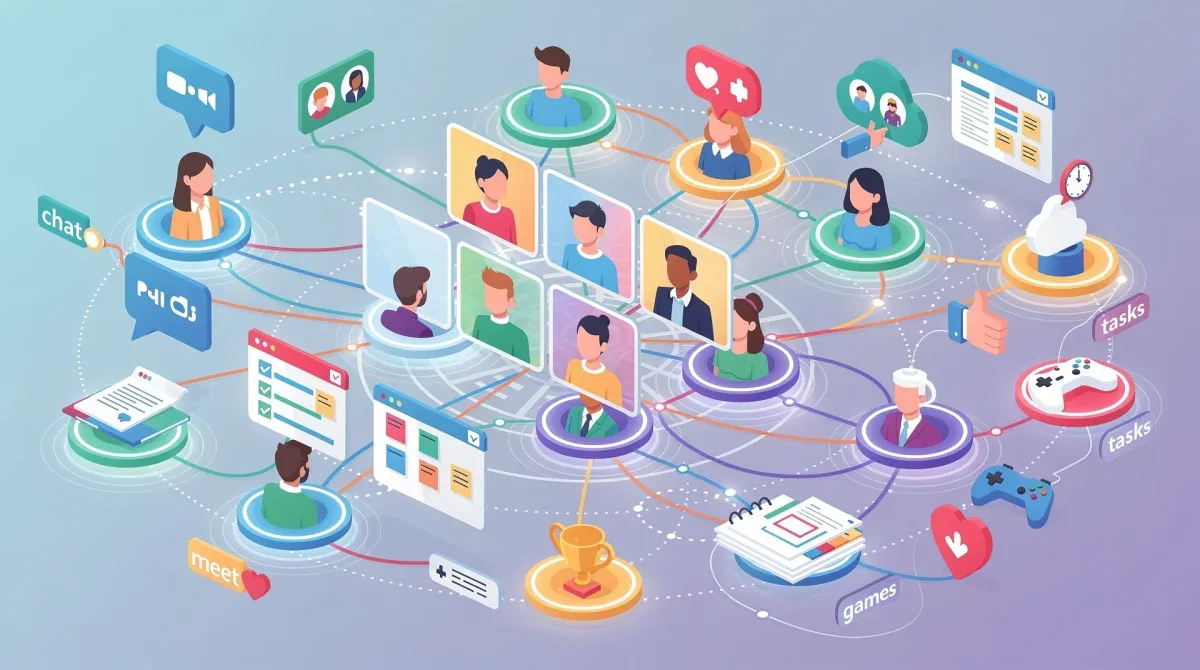
To make this framework effective, it's important to keep the channels organized and the prompts engaging. Rotating facilitators for these activities can also help maintain freshness and encourage broader participation. The goal is to create a continuous, low-pressure stream of social connection that weaves through the team's daily interactions, making everyone feel more connected to the collective narrative.
By embracing asynchronous social interaction and storytelling, organizations can create a rich tapestry of shared experiences and personal insights, effectively combating remote worker social isolation and building a more cohesive and empathetic remote culture.
Framework 4: promoting in-person meetups and retreats
While virtual connections are vital, there's an undeniable power in face-to-face interaction that cannot be fully replicated digitally. The fourth framework champions the strategic organization of in-person meetups and retreats to significantly reduce remote worker social isolation. These gatherings offer unique opportunities for deep bonding, team building, and cultural immersion that solidify virtual relationships.
In-person events serve as powerful catalysts for strengthening team cohesion and alleviating the sense of disconnect that can accumulate over long periods of remote work. They provide a chance for colleagues to meet in a relaxed setting, build personal rapport, and create shared memories that enhance future collaboration.
Maximizing the impact of in-person gatherings
- Strategic timing: Plan retreats after significant project milestones or during periods of strategic planning to combine work and social objectives.
- Varied activities: Balance formal work sessions with informal social activities, team-building exercises, and opportunities for free time.
- Inclusive design: Ensure event locations and activities are accessible and appealing to a diverse range of preferences and needs.
The investment in bringing remote teams together physically pays dividends far beyond the immediate event. These gatherings forge stronger interpersonal bonds, improve communication dynamics, and reignite a shared sense of purpose. The memories created during a retreat often become touchstones for team identity, referenced in virtual interactions long after the event concludes.
For global teams, regional meetups can be a more practical alternative to a single large retreat, allowing smaller groups to connect without extensive travel. Even occasional, localized meetups for colleagues living in the same city can make a significant difference in combating persistent feelings of isolation. The key is to provide opportunities for physical presence whenever feasible.
Furthermore, these events offer a chance to reinforce company culture in a tangible way. Through shared meals, collaborative workshops, and informal conversations, employees can experience the organization's values firsthand, leading to a deeper sense of belonging and commitment. It's an opportunity to celebrate achievements, address challenges, and collectively envision the future.
By strategically promoting in-person meetups and retreats, organizations acknowledge the human need for physical presence and communal experience. This framework acts as a powerful countermeasure to remote worker social isolation, transforming distant colleagues into a unified and deeply connected team.
Measuring and adapting: ensuring ongoing connection
Implementing frameworks to combat remote worker social isolation is only half the battle; the other half involves continuously measuring their effectiveness and adapting strategies as needed. A proactive approach to feedback and data analysis ensures that efforts to foster connection remain relevant and impactful, evolving with the needs of the remote workforce.
Regular assessment allows organizations to identify what's working well and where improvements are necessary. This iterative process is crucial in a dynamic remote work environment, where employee needs and preferences can shift over time. Without measurement, initiatives risk becoming stale or ineffective, failing to address the core problem they were designed to solve.
Key metrics and feedback mechanisms
- Employee surveys: Conduct regular anonymous surveys focusing on feelings of connection, belonging, and overall well-being.
- Sentiment analysis: Monitor communication channels for keywords and phrases indicating isolation or strong team cohesion.
- Participation rates: Track engagement in social hubs, mentorship programs, and attendance at virtual/in-person events.
Beyond quantitative data, qualitative feedback is equally important. One-on-one conversations, focus groups, and open forums can provide rich insights into the lived experiences of remote workers. These qualitative insights often reveal nuances that surveys alone cannot capture, helping to refine and personalize connection strategies.
It's also important to establish a culture where employees feel comfortable sharing their experiences and suggesting new ideas. Leaders should actively solicit feedback and demonstrate that their input is valued and acted upon. This not only improves the effectiveness of connection initiatives but also builds trust and psychological safety within the team.
Adapting strategies based on feedback is crucial. If a particular virtual social event isn't generating much interest, explore alternatives. If certain employees consistently feel left out, investigate potential barriers to their participation. The goal is to create a flexible and responsive system that prioritizes the well-being and connection of every team member.
By continuously measuring and adapting, organizations can ensure their efforts to combat remote worker social isolation are not just one-off initiatives but an integral, evolving part of their remote work strategy, fostering a truly connected and thriving workforce.
Building a connected remote culture: leadership's role
The success of any initiative to combat remote worker social isolation ultimately hinges on strong leadership and a genuine commitment from the top. Leaders play a pivotal role in shaping the remote culture, setting the tone for connection, and actively championing the frameworks designed to foster belonging. Their involvement is not just beneficial; it's essential for creating an environment where every remote employee feels valued and connected.
Leaders must lead by example, actively participating in social activities, promoting open communication, and demonstrating empathy towards the challenges of remote work. When leadership visibly prioritizes connection, it signals to the entire organization that employee well-being and social integration are non-negotiable aspects of the company culture.
Leadership actions for a connected culture
- Championing connection: Regularly communicate the importance of social interaction and the resources available to facilitate it.
- Active participation: Join virtual coffee breaks, engage in non-work channels, and attend in-person meetups whenever possible.
- Empathetic communication: Acknowledge the unique challenges of remote work and proactively check in on employees' well-being.
Beyond participation, leaders are responsible for allocating the necessary resources – time, budget, and personnel – to support connection initiatives. This includes empowering managers to integrate social activities into team routines and providing training on how to effectively lead and connect with remote teams. A top-down commitment ensures that these efforts are sustainable and deeply embedded in the organizational fabric.
Furthermore, leaders must foster a culture of psychological safety, where employees feel secure enough to express their feelings of isolation or suggest improvements without fear of judgment. This openness is crucial for identifying areas of need and building a truly inclusive remote environment. It's about creating a space where vulnerability is met with support, not criticism.
Ultimately, building a connected remote culture is an ongoing journey that requires consistent effort and a genuine belief in the power of human connection. When leaders embrace this responsibility, they not only combat remote worker social isolation but also cultivate a more engaged, productive, and resilient workforce that thrives regardless of physical distance.
| Key Framework | Brief Description |
|---|---|
| Virtual Social Hubs | Creating dedicated digital spaces for informal, non-work related interactions to mimic office camaraderie. |
| Mentorship & Buddy Programs | Structured one-on-one connections for support, guidance, and quicker integration into the team culture. |
| Asynchronous Social Interaction | Utilizing flexible communication for sharing personal updates and stories, accommodating diverse schedules. |
| In-person Meetups & Retreats | Organizing physical gatherings to foster deep bonding, team building, and cultural immersion. |
Frequently asked questions about remote worker social isolation
Why is social isolation so prevalent among remote workers?▼Social isolation is prevalent due to the absence of spontaneous office interactions, reduced non-verbal communication in virtual settings, and the blurring of work-life boundaries. These factors collectively diminish opportunities for natural social bonding and can lead to feelings of disconnect and loneliness among remote employees.
How can virtual social hubs effectively combat isolation?▼Virtual social hubs combat isolation by providing dedicated, low-pressure digital spaces for non-work conversations and shared interests. These channels, like dedicated chat groups or optional virtual coffee breaks, simulate the informal social interactions found in physical offices, fostering camaraderie and a sense of community among remote teams.
What are the benefits of a remote mentorship program?▼Remote mentorship programs offer numerous benefits, including professional development, accelerated onboarding for new hires, and enhanced emotional support. They create structured one-on-one connections that provide guidance, a sense of belonging, and a personalized support system, helping to reduce feelings of isolation and improve employee retention and engagement.
Is asynchronous social interaction as effective as real-time?▼Asynchronous social interaction complements real-time communication by offering flexibility and inclusivity. While not a direct replacement for synchronous chats, it allows for thoughtful contributions from all team members, regardless of time zone or communication style. This approach builds empathy and connection over time, fostering a rich, continuous social fabric.
How often should remote teams have in-person meetups?▼The ideal frequency for in-person meetups varies by team size and budget, but generally, quarterly or semi-annual retreats can be highly effective. Even less frequent but well-planned gatherings, such as once a year, can significantly boost morale, strengthen bonds, and reinforce company culture, providing a vital antidote to prolonged remote work isolation.
Conclusion
The widespread issue of remote worker social isolation, affecting a significant portion of the distributed workforce, underscores a critical need for proactive and thoughtful intervention. By systematically implementing frameworks such as virtual social hubs, structured mentorship programs, asynchronous social engagement, and strategic in-person meetups, organizations can transform the remote experience. These proven strategies, coupled with strong leadership and continuous adaptation, not only mitigate the negative impacts of isolation but also cultivate a vibrant, connected, and resilient remote culture where every employee feels a genuine sense of belonging and support. The future of work demands an investment in human connection, ensuring that flexibility does not come at the cost of well-being.
