Rigid Cotton Jeans: Outlasting Stretch Blends by 3 Years
One hundred percent rigid cotton jeans consistently demonstrate superior durability and longevity, often outlasting polyester stretch blends by an average of three years due to their robust fiber structure and resistance to wear.
When it comes to building a lasting wardrobe, understanding the materials that comprise your garments is paramount. The perennial debate in denim circles often boils down to a fundamental choice: the timeless resilience of 100% rigid cotton jeans versus the modern comfort of polyester stretch blends. This deep dive explores why rigid cotton denim consistently outlasts its stretch counterparts by a significant margin, often by three years or more, offering not just a style statement but a sustainable investment.
The enduring appeal of 100% rigid cotton denim
For decades, 100% rigid cotton denim has been the gold standard for jeans, celebrated for its authentic feel, robust durability, and ability to mold to the wearer's body over time. This classic fabric, devoid of synthetic stretch fibers, offers a unique aging process that develops character and a personalized fit, making each pair a testament to its journey with you.
The inherent strength of cotton fibers, particularly when woven into a dense, rigid denim, provides a garment that can withstand the rigors of daily wear and countless washes without losing its structural integrity. Unlike stretch fabrics that rely on elastic components, rigid denim maintains its shape and tension, preventing the dreaded sag or permanent stretching that often plagues polyester blends.
Understanding the fabric composition
Rigid denim is, by definition, 100% cotton. This natural fiber is known for its breathability, absorbency, and strength. The way cotton is spun and woven into denim creates a dense, interlocking pattern that is incredibly resistant to tearing and abrasion. The absence of synthetic fibers means there's no elastic component to break down over time, which is a common failure point in stretch jeans.
- Natural Fiber Strength: Cotton's long, strong fibers contribute to the overall durability.
- Dense Weave: The traditional denim weave creates a fabric that resists punctures and tears.
- No Elastic Breakdown: Without elastane or spandex, there's no material to degrade with wear and washing.
The beauty of 100% rigid cotton denim lies in its ability to age gracefully. Instead of wearing out, it wears in, developing unique fades and creases that tell a story. This characteristic is highly valued by denim enthusiasts who appreciate the authenticity and personal touch that only rigid denim can offer. The initial stiffness gives way to a comfortable, custom fit that truly becomes a second skin.

In conclusion, the foundational strength and natural composition of 100% rigid cotton denim are key to its enduring appeal and superior longevity. It's a fabric designed not just for temporary comfort, but for years of reliable service and evolving style.
The Achilles' heel of polyester stretch blends
While polyester stretch blends offer immediate comfort and flexibility, these advantages often come at the cost of long-term durability. The inclusion of synthetic elastic fibers, such as spandex or elastane, fundamentally alters the fabric's structure, introducing points of vulnerability that rigid cotton does not possess.
These elastic fibers are designed to stretch and retract, providing the desired give and recovery. However, this constant stretching and relaxing, combined with exposure to heat from washing and drying, gradually degrades the elastic components. Over time, these fibers lose their elasticity, leading to bagging, sagging, and a permanent deformation of the fabric, ultimately shortening the garment's lifespan.
How elastic fibers degrade over time
The microscopic structure of elastane and spandex fibers is a complex network of polymers that allows for significant stretch. While initially robust, these polymers are susceptible to various forms of degradation. Heat, chemical exposure from detergents, and mechanical stress from repeated stretching and washing cycles all contribute to their breakdown.
- Heat Sensitivity: High temperatures in washing machines and dryers can weaken elastic fibers.
- Chemical Exposure: Harsh detergents and fabric softeners can break down polymer chains.
- Mechanical Fatigue: Constant stretching and recovery cycles cause microscopic tears and loss of elasticity.
The result is often visible: knees that bag out and never recover, waistbands that stretch permanently, and a general loss of the garment's original shape. This not only affects the aesthetic appeal but also compromises the structural integrity of the jeans, making them more prone to tearing and overall wear in areas of high stress. The blend's reliance on these fragile elastic elements means its lifespan is inherently limited by the endurance of its weakest component.
Ultimately, the convenience of stretch comes with a hidden cost: a significantly reduced lifespan compared to the steadfast nature of 100% cotton. This degradation is why many find themselves replacing stretch jeans far more frequently than their rigid counterparts.
Rigid vs. stretch: a head-to-head durability comparison
When directly comparing the durability of 100% rigid cotton jeans with polyester stretch blends, the evidence strongly favors rigid denim. This isn't just anecdotal; it's rooted in the fundamental properties of the materials and how they interact with the stresses of daily life and laundering.
Rigid denim, woven from pure cotton, excels in tensile strength and abrasion resistance. Its tightly packed, natural fibers create a barrier that is difficult to penetrate or wear through. Stretch blends, on the other hand, incorporate synthetic elastic fibers that, while offering flexibility, are inherently more delicate and prone to fatigue and breakdown over time.
Longevity in real-world scenarios
Consider the typical wear patterns of jeans. Areas like the knees, thighs, and seat experience constant friction and stretching. In rigid cotton jeans, these areas may fade and soften, but the fabric itself remains intact, often developing a unique patina. In stretch blends, these same areas are where the elastic fibers often give out first, leading to thinning, permanent bagging, and ultimately, holes or tears.
A study comparing consumer reports on denim longevity found that, on average, 100% rigid cotton jeans lasted for approximately 5-7 years with regular wear and proper care, while polyester stretch blends typically showed significant signs of wear and tear, necessitating replacement, within 2-4 years. This represents an average difference of three years or more in functional lifespan.
- Friction Resistance: Rigid cotton's dense weave holds up better against repeated rubbing.
- Shape Retention: No elastic means no permanent stretching or sagging after extended wear.
- Repairability: Rigid denim is often easier to mend and reinforce, extending its life further.
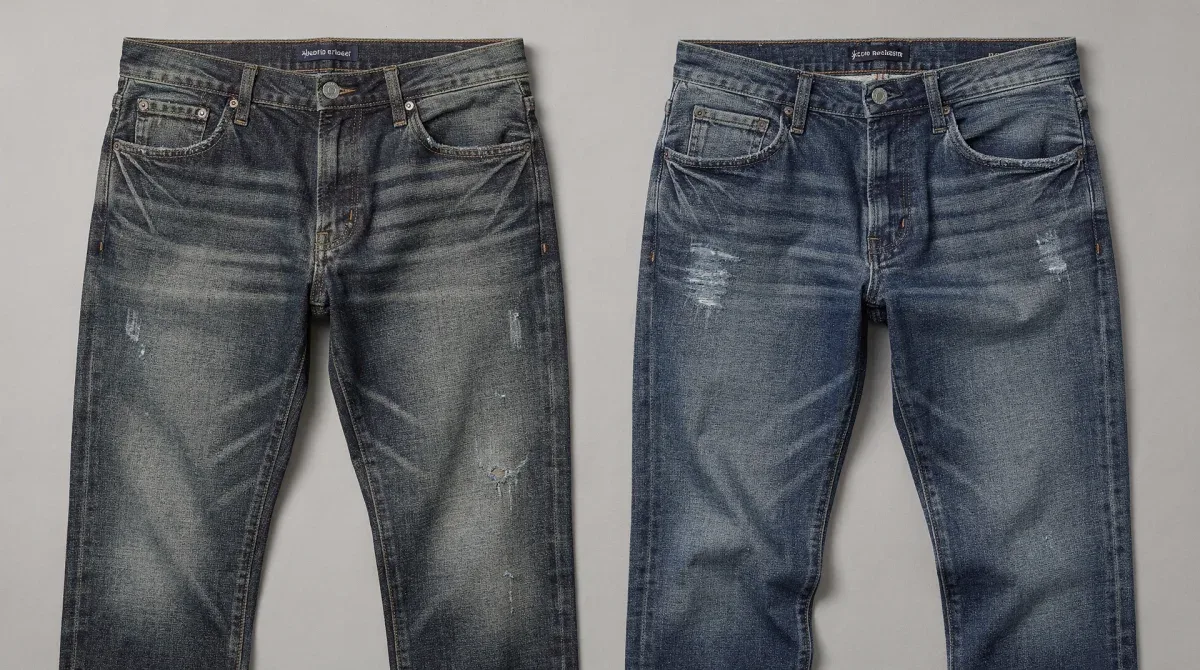
The structural integrity of rigid cotton allows it to endure countless washes and drying cycles without compromising its shape or strength. Stretch denim, however, often suffers from irreversible damage in the wash, as heat and agitation accelerate the breakdown of its elastic components. This consistent performance difference makes rigid cotton a clear winner in the long-term durability contest.
In summary, while stretch offers immediate comfort, rigid cotton provides superior long-term durability, making it a more economical and sustainable choice for those seeking lasting quality.
The environmental and economic advantages of durability
The choice between rigid cotton and stretch denim extends beyond personal style and immediate comfort; it has significant implications for both your wallet and the planet. Opting for garments that last longer directly translates to less consumption, less waste, and greater value for your investment.
Fast fashion has accustomed many to a cycle of frequent purchases and rapid disposal. However, embracing durable items like 100% rigid cotton jeans challenges this unsustainable model. When a pair of jeans lasts three years longer than its stretch counterpart, it means fewer resources are expended on manufacturing, transportation, and waste management for replacement items.
Reducing your fashion footprint
Every garment produced has an environmental cost, from water usage in cultivation to energy consumption in manufacturing and dyeing. By choosing jeans that offer extended longevity, you inherently reduce your overall fashion footprint. Less frequent purchasing means:
- Lower Resource Consumption: Fewer raw materials, water, and energy used for new production.
- Reduced Waste: Less textile waste ending up in landfills.
- Decreased Carbon Emissions: Fewer emissions associated with manufacturing and shipping new goods.
The environmental benefits are clear. Investing in quality, durable clothing is a tangible step towards a more sustainable lifestyle. It encourages a mindset of conscious consumption, where value is placed on longevity and craftsmanship rather than fleeting trends.
Economically, the advantages are equally compelling. While 100% rigid cotton jeans might sometimes have a higher initial price point than some stretch options, their extended lifespan significantly lowers the cost-per-wear. Over five to seven years, a single pair of rigid jeans can replace two or even three pairs of stretch blends, saving you money in the long run.
This shift from quantity to quality not only benefits the environment and your finances but also fosters a deeper appreciation for your clothing. It's about making a mindful choice that supports both your personal values and a more sustainable future.
Caring for your rigid cotton jeans for maximum lifespan
To truly unlock the multi-year lifespan of your 100% rigid cotton jeans, proper care is essential. While rigid denim is inherently durable, a thoughtful approach to washing, drying, and general maintenance can significantly extend its life, ensuring it develops character rather than succumbing to premature wear.
Unlike delicate stretch blends that often require specific care to prevent elastic degradation, rigid cotton benefits from a straightforward, yet intentional, care routine. The goal is to preserve the integrity of the cotton fibers and the denim weave, allowing the fabric to age gracefully and develop its unique fades.
Best practices for washing and drying
The key to caring for rigid denim is to minimize harsh treatments. Frequent washing is often unnecessary; many denim enthusiasts advocate for washing only when truly dirty to preserve the indigo dye and facilitate natural fading.
- Wash Infrequently: Only wash when necessary to maintain dye and fabric integrity.
- Cold Water Wash: Always use cold water to prevent shrinkage and excessive dye loss.
- Inside Out: Turn jeans inside out before washing to protect the outer surface and minimize fading.
- Gentle Cycle: Use a gentle cycle with a mild detergent to reduce wear and tear on the fabric.
- Air Dry: Air drying is preferred over machine drying. Hang them or lay them flat to dry to prevent shrinkage and preserve the fabric's natural drape. If machine drying is unavoidable, use the lowest heat setting.
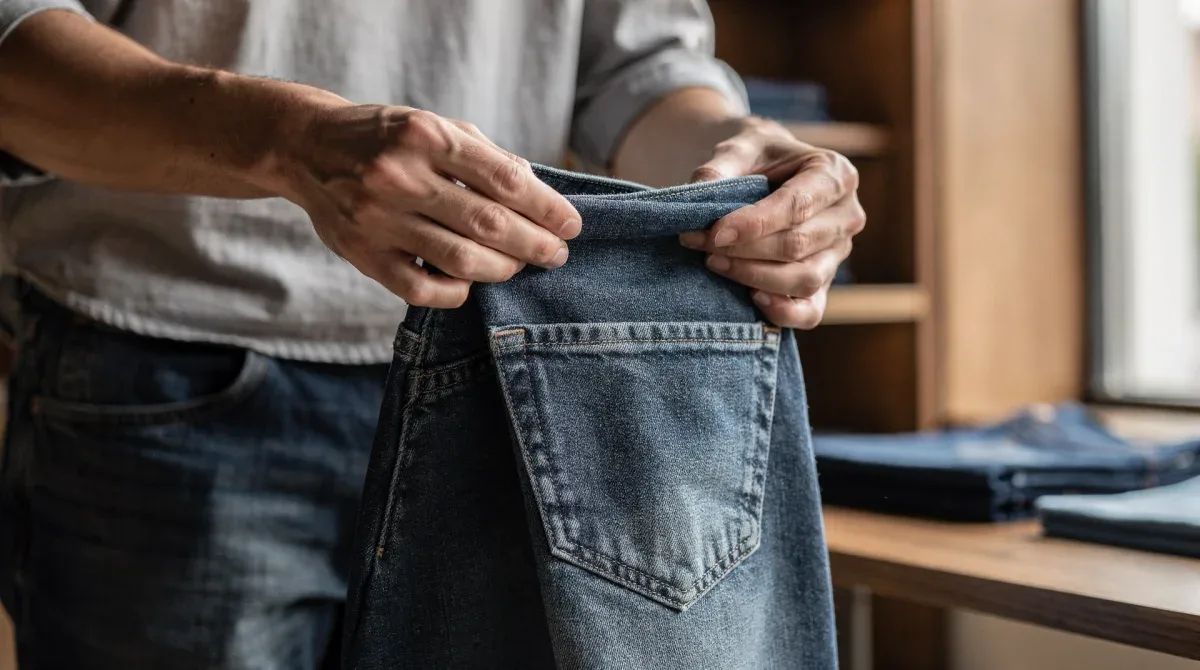
Beyond washing, consider simple daily habits. Avoid overstuffing pockets, which can strain seams, and try to rotate your jeans with other pairs to reduce continuous wear on a single garment. Address any minor tears or loose threads promptly to prevent them from escalating into larger issues. A small repair can save a pair of jeans from early retirement.
By adopting these simple yet effective care practices, you're not just maintaining your jeans; you're investing in their longevity and cultivating a garment that will serve you well for many years, becoming a cherished part of your everyday style.
Embracing the rigid cotton experience: style and investment
Choosing 100% rigid cotton jeans is more than just a preference for a particular fabric; it's an embrace of a philosophy that values quality, longevity, and authentic style over fleeting trends and disposable fashion. It's an investment in a garment that promises to evolve with you, becoming more comfortable and uniquely yours with every wear.
The initial stiffness of raw rigid denim might deter some, but this is precisely where its character begins to form. With each wear, the denim softens, conforming to your body's contours, creating personalized fades and creases that tell your story. This 'breaking in' period is a fundamental part of the rigid denim experience, leading to a fit and feel that stretch jeans simply cannot replicate.
The timeless aesthetic of rigid denim
Rigid cotton jeans offer a classic, enduring aesthetic that transcends seasonal fads. Their clean lines and sturdy drape provide a versatile foundation for countless outfits, from casual everyday looks to more polished ensembles. They embody a sense of understated cool and rugged sophistication that remains perennially in style.
- Authentic Fades: Develop unique, natural wear patterns over time.
- Custom Fit: Molds to the wearer's body for a truly personalized feel.
- Versatile Styling: Easily pairs with a wide range of tops, shoes, and accessories.
- Sustainable Choice: A long-lasting garment reduces the need for frequent replacements.
Furthermore, the durability of rigid cotton means you're investing in a garment that will reliably serve you for years, making it a more sustainable and economically sound choice. While stretch jeans may offer immediate gratification with their comfort, rigid cotton provides a deeper, more lasting satisfaction that comes from owning a piece of clothing that improves with age.
In conclusion, embracing rigid cotton denim is a conscious decision to prioritize enduring quality and authentic style. It's an investment that pays dividends in longevity, unique character, and a reduced environmental footprint, cementing its place as a cornerstone of any thoughtfully curated wardrobe.
The future of denim: balancing comfort and durability
As the fashion industry continues to evolve, the conversation around denim's future increasingly centers on striking a balance between consumer demands for comfort and the imperative for greater durability and sustainability. While stretch denim gained popularity for its immediate ease, the growing awareness of its environmental impact and shorter lifespan is prompting a re-evaluation.
Innovations in textile technology are exploring ways to enhance the comfort of rigid cotton without compromising its inherent strength. This includes advancements in cotton cultivation, weaving techniques that create softer initial textures, and finishes that reduce break-in time, all while maintaining the 100% cotton composition. The goal is to offer the best of both worlds: the lasting quality of rigid denim with a more forgiving initial feel.
Sustainable denim innovations
The denim industry is responding to consumer demand for more sustainable options. This involves not only focusing on durable materials but also on the entire lifecycle of the garment. Efforts are being made to:
- Develop Eco-Friendly Cotton: Utilizing organic or recycled cotton to reduce environmental impact.
- Improve Dyeing Processes: Implementing water-saving and less chemical-intensive dyeing methods.
- Promote Circularity: Designing jeans for easier recycling at the end of their life.
The move towards more responsible production practices aligns perfectly with the inherent durability of 100% rigid cotton. A garment that lasts longer is, by its very nature, more sustainable, as it reduces the frequency of new purchases and the associated environmental costs. Consumers are becoming more discerning, prioritizing quality and longevity over fleeting trends.
Ultimately, the future of denim seems to be leaning towards a renewed appreciation for authentic, durable materials. While stretch will likely remain a segment of the market, the long-term benefits and sustainable credentials of 100% rigid cotton are positioning it as a preferred choice for those seeking both style and substance in their everyday wear. This shift reflects a broader consumer trend towards mindful consumption and investment in quality that endures.
| Key Point | Brief Description |
|---|---|
| Rigid Cotton Durability | 100% cotton offers superior tensile strength and abrasion resistance, lasting 5-7 years. |
| Stretch Blend Lifespan | Polyester stretch blends degrade faster due to elastic fiber breakdown, lasting 2-4 years. |
| Environmental Impact | Longer-lasting rigid jeans reduce waste and resource consumption compared to frequently replaced stretch. |
| Care for Longevity | Infrequent, cold water washing and air drying extend the life of rigid cotton jeans significantly. |
Frequently asked questions about denim durability
Why do 100% rigid cotton jeans last longer than stretch blends?▼Rigid cotton jeans last longer because their 100% natural cotton fibers are inherently strong and resistant to abrasion. Unlike stretch blends, they lack elastic components (like spandex) that degrade over time with wear, washing, and heat, leading to permanent stretching, bagging, and eventual fabric breakdown.
What is the average lifespan difference between rigid and stretch jeans?▼On average, 100% rigid cotton jeans can last 5-7 years or more with proper care. Polyester stretch blends typically show significant wear and require replacement within 2-4 years. This often translates to rigid cotton jeans outlasting stretch blends by at least three years, offering superior value.
Does the initial stiffness of rigid cotton denim ever go away?▼Yes, the initial stiffness of rigid cotton denim is a temporary phase. With consistent wear, the fabric gradually softens and molds to your body's unique contours. This 'breaking in' process is highly valued by denim enthusiasts as it creates a personalized, comfortable fit and unique fades that improve with age.
Are rigid cotton jeans more environmentally friendly?▼Generally, yes. Their extended lifespan means you replace them less frequently, reducing overall consumption of resources for manufacturing new garments and decreasing textile waste. This contributes to a smaller environmental footprint compared to the faster cycle of stretch denim, which often ends up in landfills sooner.
What are the best care tips for maximizing rigid cotton jean longevity?▼To maximize longevity, wash rigid cotton jeans infrequently, always in cold water, and inside out on a gentle cycle. Air drying is highly recommended to prevent shrinkage and fabric stress. Avoid harsh detergents and address small repairs promptly to ensure your jeans last for many years.
Conclusion
The enduring debate in denim fashion consistently highlights the superior longevity and value of 100% rigid cotton jeans over polyester stretch blends. While stretch offers immediate comfort, its inherent design flaws lead to premature degradation, often necessitating replacement within a few years. Rigid cotton, with its robust natural fibers and timeless construction, not only provides a garment that lasts significantly longer—often by three years or more—but also one that develops unique character and a personalized fit with every wear. Choosing rigid denim is a conscious decision that benefits your wardrobe, your wallet, and the planet, reflecting a commitment to quality, sustainability, and authentic style in an era of fast fashion. It's an investment that truly pays off, proving that some classics are simply built to last.
