2000s Nostalgia Peak: 12 Millennial Shows Getting 2026 Revivals
The resurgence of classic millennial shows in 2026 is fueled by the 2000s nostalgia peak, as studios tap into a proven audience demand for beloved characters and storylines from a formative decade.
The cultural landscape is buzzing with anticipation as the 2000s nostalgia peak reaches new heights, evidenced by the exciting news of 12 classic millennial shows slated for major revivals in 2026. This phenomenon isn't just about revisiting old favorites; it's a strategic move to reconnect with a generation eager for familiar comfort and fresh perspectives on their beloved narratives.
The undeniable rise of millennial nostalgia
Millennials, now firmly established in adulthood, are driving a significant cultural trend: a deep yearning for the entertainment of their formative years. This isn't merely a fleeting sentiment; it's a powerful economic and social force shaping everything from fashion to music, and most notably, television. The early 2000s, a period marked by unique technological shifts and cultural touchstones, holds a special place in the hearts of those who came of age during that era.
This generational pull towards the past is amplified by the complexities of modern life. In an increasingly fast-paced and often uncertain world, the comfort of familiar stories and characters from simpler times offers a powerful sense of solace and connection. Studios and networks are keenly aware of this dynamic, recognizing the immense potential in reintroducing shows that resonate deeply with a massive, engaged audience.
Why the 2000s specifically?
- Formative years: Many millennials experienced their adolescence and young adulthood in the 2000s, making these shows deeply embedded in their personal histories.
- Pre-streaming era: These shows often aired weekly, fostering communal viewing experiences and discussions that built strong fan bases.
- Cultural touchstones: The decade offered a unique blend of post-9/11 introspection, burgeoning internet culture, and distinctive fashion and music trends, all reflected in its television.
- Escapism: The shows provided a blend of humor, drama, and aspiration that offered a comforting escape from everyday realities.
The 2000s offered a distinct flavor of storytelling, often characterized by a blend of earnestness and burgeoning cynicism, reflecting the transition into a new millennium. This unique blend makes these shows particularly ripe for re-exploration, allowing for both faithful continuations and thoughtful updates that speak to contemporary audiences.
Understanding this strong emotional connection is key to appreciating why the 2000s millennial show revivals are not just a passing fad but a calculated response to a genuine cultural demand. The generation that grew up with these series now possesses significant disposable income and influence, making them a prime target for content creators looking to capitalize on nostalgia.

The enduring appeal of classic narratives
Beyond simple nostalgia, the shows from the 2000s often featured compelling narratives, memorable characters, and themes that remain relevant today. Whether it was the complex friendships in a teen drama, the witty banter in a sitcom, or the thrilling mysteries of a serialized procedural, these series laid groundwork that continues to captivate. Their enduring appeal lies in their ability to tell universal stories of growth, identity, love, and struggle, all wrapped in the specific aesthetic and cultural context of the early 21st century.
Many of these shows explored societal issues that, while perhaps presented differently, still resonate with current discussions around social dynamics, technology's impact, and personal ambition. The characters were often relatable, flawed, and aspirational, allowing viewers to see reflections of themselves and their own experiences on screen. This deep character connection is a powerful ingredient for successful revivals.
Character evolution and modern relevance
One of the most exciting aspects of these revivals is the opportunity to see beloved characters navigate new life stages and contemporary challenges. What does a character who was a teenager in 2004 look like as an adult in 2026? How have their relationships evolved? What new societal issues do they confront? These questions offer rich storytelling potential that goes beyond mere fan service.
- Growth and maturity: Seeing characters grow up allows for exploration of adult themes and responsibilities.
- Societal commentary: Revivals can address current events and social issues through the lens of established characters.
- New generation interactions: Introducing new, younger characters can bridge the gap between original fans and new viewers.
- Unresolved storylines: Many shows left lingering questions or cliffhangers that revivals can finally address.
The creative teams behind these 2000s millennial show revivals are tasked with balancing faithfulness to the original spirit with the necessity of fresh, engaging storytelling. This delicate balance is crucial for satisfying long-time fans while also attracting new audiences who may be discovering these worlds for the first time. The enduring appeal isn't just about what was, but what could be.
The strategic timing of 2026 revivals
The year 2026 isn't an arbitrary choice for these highly anticipated revivals; it represents a confluence of factors that make it an ideal moment. From a generational perspective, millennials are at a point in their lives where they are often established in careers and families, possessing both the time and the disposable income to invest in entertainment that speaks to their personal history. Furthermore, the streaming landscape has matured significantly, offering diverse platforms eager for proven intellectual property.
The television industry is constantly seeking content that can cut through the noise, and established franchises with built-in fan bases offer a significant advantage. A revival isn't just a new show; it's an event, generating immediate buzz and guaranteed viewership from day one. This reduces the risk associated with launching entirely new series in a crowded market.
Technological advancements and production values
The production capabilities of 2026 far exceed those of the early 2000s. This means revivals can boast higher production values, improved special effects, and cinematic storytelling techniques that were not feasible two decades ago. This visual upgrade can breathe new life into familiar worlds, making them feel contemporary and engaging for modern audiences.
- Enhanced visuals: High-definition cinematography and advanced CGI can elevate the aesthetic of returning shows.
- Global reach: Streaming platforms ensure these revivals can be accessed by a worldwide audience simultaneously.
- Interactive elements: Potential for augmented reality or companion content to deepen fan engagement.
- Diverse storytelling: Opportunities to incorporate more inclusive narratives and production teams.
Moreover, the talent pool has expanded, with many original cast members now having decades of experience, bringing a new depth to their returning roles. This combination of seasoned actors, modern technology, and a ready audience makes 2026 a perfect storm for the 2000s millennial show revivals. The industry is poised to deliver a nostalgic yet fresh experience.
Anticipated impact on pop culture and viewership
The return of these 12 classic shows is expected to create a significant ripple effect across the pop culture landscape. Beyond the immediate viewership numbers, these revivals will likely spark new conversations about the legacy of 2000s television, influencing current trends in fashion, music, and storytelling. They will also serve as a bridge between generations, as millennials introduce their children to the shows they grew up with, fostering new fan bases.
Streaming platforms, in particular, stand to benefit immensely. Exclusive rights to a highly anticipated revival can drive subscription numbers and increase overall engagement. The ability to binge-watch entire original series alongside the new episodes creates a powerful incentive for viewers, turning a single revival into a gateway to a platform's entire library of content. This symbiotic relationship between nostalgia and modern distribution is a game-changer.
The economic and cultural ripple effect
The impact extends beyond mere entertainment. These revivals can reignite interest in original merchandise, soundtracks, and even inspire new cultural products. From renewed fashion trends to nostalgic music playlists, the cultural footprint of these shows will be significantly expanded. Furthermore, the discussions generated on social media will undoubtedly dominate online conversations, creating organic marketing for the shows themselves.
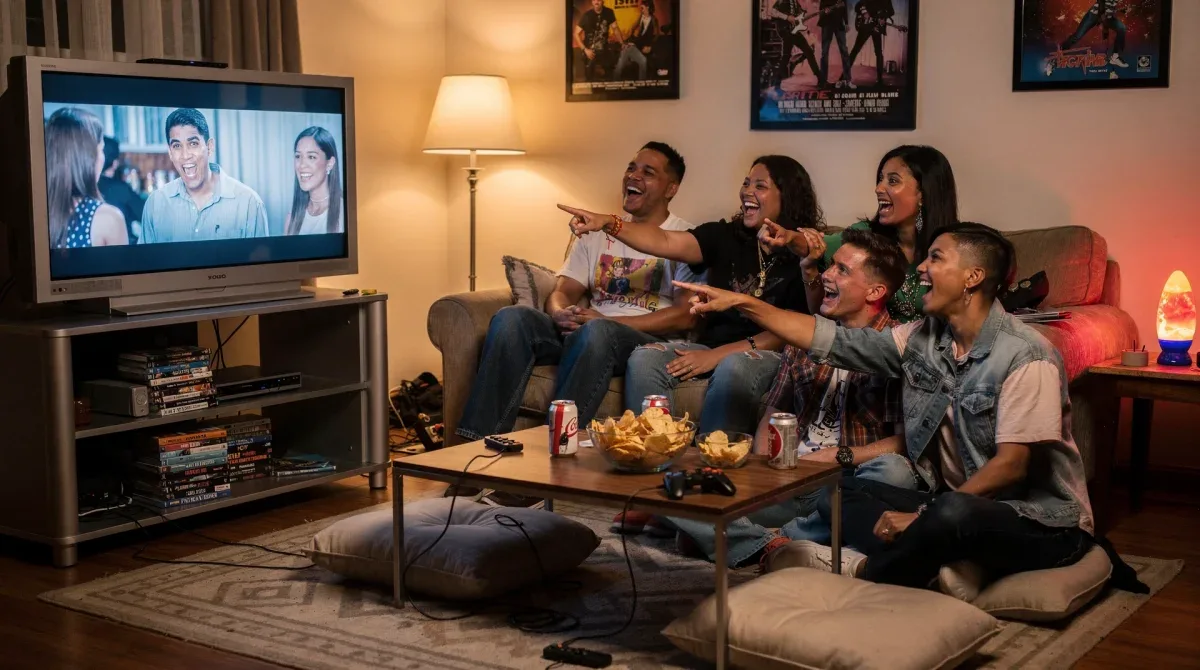
The cultural conversation around these revivals will also provide a fascinating lens through which to examine how society has evolved over the past two decades. The contrasts and continuities between the original series and their modern counterparts will offer rich material for critics, academics, and casual viewers alike. This deeper engagement elevates the revivals beyond simple entertainment to significant cultural events.
Ultimately, the 2000s millennial show revivals are poised to be more than just a trip down memory lane. They are a testament to the enduring power of storytelling, the strong bonds of generational identity, and the dynamic evolution of the television industry. Their arrival in 2026 will undoubtedly mark a pivotal moment in contemporary pop culture.
Navigating the challenges of revival productions
While the prospect of bringing back beloved shows is exciting, the path to a successful revival is fraught with challenges. One of the primary hurdles is managing fan expectations. Audiences often have deeply ingrained ideas about how their favorite characters and storylines should evolve, and deviating too far from these expectations can lead to backlash. Conversely, playing it too safe can result in a show that feels uninspired and redundant.
Another significant challenge lies in reassembling original casts and creative teams. Actors and writers may have moved on to other projects, and coordinating schedules can be a logistical nightmare. The absence of key personnel can fundamentally alter the chemistry and tone of a show, making it feel inauthentic to original fans. Striking the right balance between old and new talent is critical for maintaining the essence of the series.
Creative direction and updated themes
The world has changed considerably since the 2000s, and revivals must reflect these shifts without alienating the original fan base. This means updating themes, addressing potentially outdated portrayals, and incorporating more diverse perspectives. However, this must be done thoughtfully, ensuring that the core spirit of the show remains intact. Modernizing a classic requires a delicate touch.
- Respecting source material: Honoring the original tone and character arcs is paramount.
- Avoiding anachronisms: Ensuring new storylines feel natural within the established universe.
- Evolving humor: Adapting comedic styles to contemporary sensibilities without losing the original wit.
- Addressing social commentary: Thoughtfully integrating current social issues into the narrative.
The pressure to deliver a revival that lives up to the original's legacy is immense. Production teams must meticulously craft narratives that both celebrate the past and confidently step into the future. This delicate balancing act is what will ultimately determine the long-term success of these 2000s millennial show revivals, ensuring they are remembered as more than just a fleeting nostalgic trend.
The future of nostalgic television
The trend of reviving classic shows is unlikely to diminish anytime soon, especially as different generations reach peak nostalgia for their respective formative eras. The success of the 2000s millennial show revivals in 2026 will undoubtedly pave the way for future reboots and continuations. This cycle suggests a continuous pipeline of familiar content, offering comfort and continuity in an ever-changing media landscape.
As streaming platforms continue to compete for subscriber attention, the value of established intellectual property will only grow. Revivals offer a relatively low-risk, high-reward strategy for attracting and retaining audiences. They tap into pre-existing emotional connections, making the marketing and audience acquisition process significantly easier than for entirely new productions. This economic incentive ensures the longevity of the revival phenomenon.
Beyond 2026: what's next?
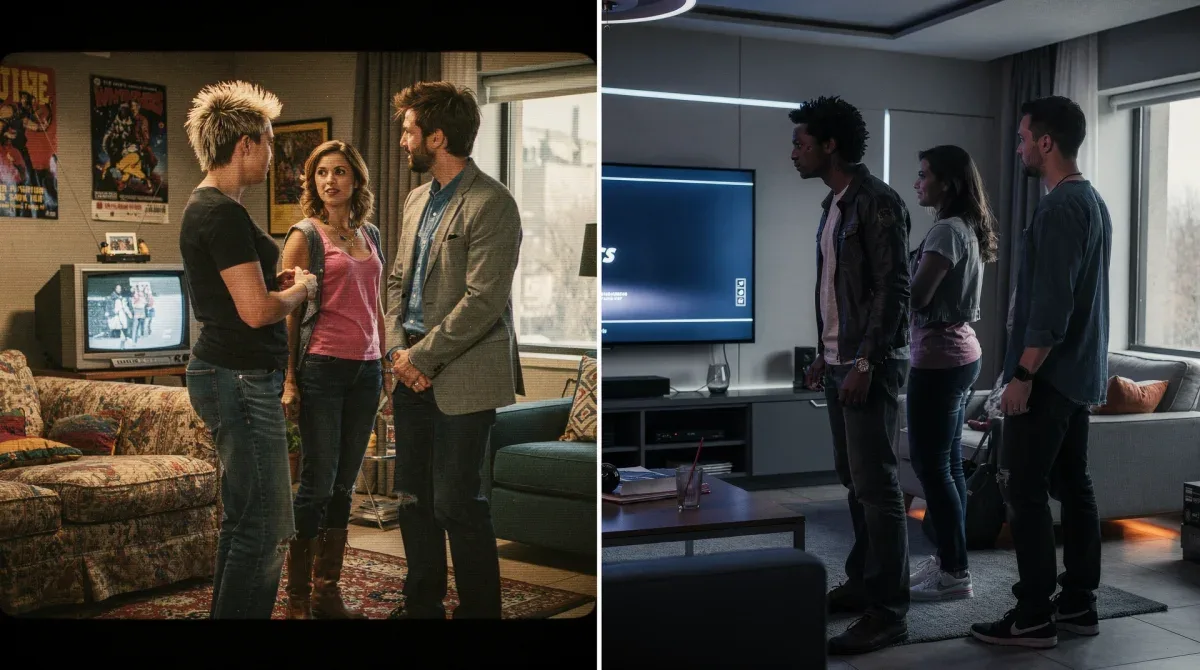
Looking ahead, we can anticipate a diversification of revival types. While some will be direct continuations, others might explore spin-offs, prequels, or even animated adaptations of live-action classics. The creative possibilities are vast, limited only by imagination and the willingness to take calculated risks. The goal will remain the same: to leverage nostalgia while offering something genuinely new and compelling.
- New formats: Exploring limited series, movies, or even interactive experiences.
- International adaptations: Localizing beloved concepts for different global markets.
- Creator involvement: Encouraging original creators to return and guide the new iterations.
- Fan engagement: Incorporating fan feedback and theories into the development process.
The ongoing appetite for comfort and connection will ensure that shows from past decades continue to find new life. The success of the 2000s millennial show revivals will be a crucial indicator for the industry, shaping strategies for years to come and solidifying the place of nostalgia as a cornerstone of modern entertainment. This evolution promises an exciting future for television viewers.
| Key Aspect | Brief Description |
|---|---|
| Millennial Nostalgia | A strong generational yearning for 2000s entertainment drives demand for revivals. |
| Enduring Narratives | Classic 2000s shows feature timeless stories and relatable characters. |
| Strategic 2026 Timing | Converging factors make 2026 ideal for high-impact television returns. |
| Production Challenges | Managing fan expectations and reassembling original talent are key hurdles. |
Frequently asked questions about 2000s revivals
Why are so many 2000s shows being revived specifically in 2026?▼The year 2026 aligns perfectly with the peak of millennial nostalgia, as this generation is now at an age with significant cultural and economic influence. Studios are capitalizing on this demographic's desire for familiar content, coupled with advancements in streaming technology and production capabilities.
What makes 2000s shows particularly appealing for revivals compared to other decades?▼The 2000s represent a unique era for millennials, marking their formative years. The shows from this period often explored themes of identity, technology, and social change that remain relevant. Their pre-streaming broadcast fostered communal viewing, creating strong, enduring fan bases.
How do these revivals balance nostalgia with modern storytelling?▼Successful revivals aim to honor the original show's spirit and characters while updating themes and narratives to reflect contemporary society. This includes evolving character arcs, incorporating modern social issues, and utilizing enhanced production values to appeal to both original fans and new audiences.
What are the biggest challenges faced by producers of 2000s show revivals?▼Key challenges include managing high fan expectations, reassembling original casts and creative teams, and updating storylines and themes to be relevant and respectful of current sensibilities without alienating the original fan base. Authenticity and fresh appeal are crucial.
Will these 2000s revivals attract new, younger audiences, or primarily target millennials?▼While primarily targeting millennials, the aim is also to attract new, younger audiences. This is achieved through updated production, relevant themes, and often by introducing new, younger characters. The hope is that original fans will also introduce the shows to their children.
Conclusion
The impending wave of 2000s millennial show revivals in 2026 is far more than a fleeting trend; it represents a significant cultural and industrial phenomenon. Driven by the deep-seated nostalgia of a generation now at its peak influence, these returns are a testament to the enduring power of compelling storytelling and beloved characters. As technology advances and streaming platforms seek to captivate diverse audiences, the strategic reintroduction of these classic series promises to reshape the pop culture landscape, offering both comfort to long-time fans and fresh narratives for new viewers, solidifying the importance of the past in shaping the future of entertainment.
