2026 Right-to-Repair: 7 Device Categories Gain Access
The 2026 Right-to-Repair expansion grants consumers and independent repair shops unprecedented access to parts and tools for seven key consumer device categories, fostering a more sustainable and economically viable repair ecosystem across the United States.
The landscape of consumer electronics is on the cusp of a significant transformation with the impending **2026 Right-to-Repair expansion**. This landmark legislation promises to reshape how we interact with our devices, granting unparalleled access to repair resources for a broad spectrum of products. It’s a pivotal moment for consumers and independent repair businesses alike, ushering in an era of greater control and sustainability.
Understanding the Right-to-Repair Movement
The Right-to-Repair movement has been gaining considerable momentum over recent years, advocating for consumers' ability to fix their own products or choose independent repair shops. This initiative challenges manufacturers' long-standing practices of restricting access to essential repair information, tools, and parts, often forcing consumers into expensive official repair channels or premature device replacement.
At its core, the movement champions consumer autonomy and environmental responsibility. By extending the lifespan of electronic devices, it aims to reduce electronic waste, conserve resources, and alleviate the financial burden on households. The 2026 expansion represents a culmination of these efforts, translating advocacy into actionable policy that will impact millions of Americans.
Historical Context and Legislative Milestones
The journey to the 2026 expansion has been marked by various state-level initiatives and growing public awareness. Early legislative attempts often faced strong opposition from manufacturing lobbies, citing concerns over intellectual property, safety, and quality control. However, persistent consumer advocacy groups and independent repair businesses continued to push for change, highlighting the economic and environmental benefits.
- Early 2020s State Legislation: Several states enacted their own Right-to-Repair laws, setting precedents and demonstrating the feasibility of such regulations.
- Federal Momentum: Growing bipartisan support at the federal level signaled a broader acceptance of the principles behind the movement.
- Consumer Demand: A clear demand from consumers for affordable and accessible repair options played a crucial role in pushing legislation forward.
The 2026 legislation builds upon these foundations, creating a more uniform and comprehensive framework that addresses a wider array of products and ensures consistent enforcement across state lines. This unified approach is expected to streamline the repair process and empower a new generation of repair professionals.
Ultimately, the Right-to-Repair movement is about rebalancing power between manufacturers and consumers. It’s about ensuring that ownership truly means ownership, allowing individuals to maintain, repair, and extend the life of their purchased goods without undue restrictions. The 2026 expansion marks a significant victory in this ongoing battle for consumer rights and a more sustainable future.
The Seven Key Consumer Device Categories Affected
The 2026 Right-to-Repair expansion specifically targets seven broad categories of consumer devices, significantly broadening the scope of what can be independently repaired. This targeted approach ensures that the most commonly used and frequently replaced electronics are covered, offering the greatest impact on both consumer wallets and environmental sustainability.
These categories represent a diverse range of products, from personal communication tools to essential household appliances, reflecting the pervasive nature of technology in modern life. The inclusion of these specific sectors was a strategic decision, focusing on areas where repair restrictions have historically been most impactful and frustrating for consumers.
Personal Computing and Mobile Devices
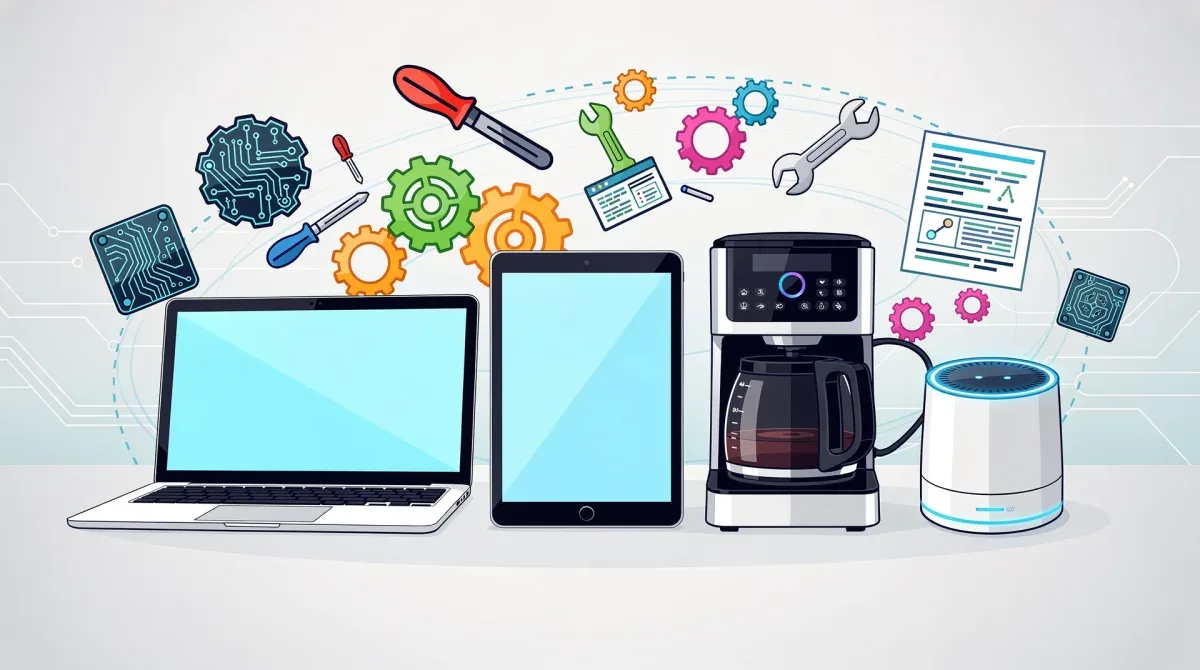
This category includes smartphones, laptops, tablets, and desktop computers. Historically, these devices have been among the most challenging to repair independently due to proprietary parts, specialized tools, and complex software locks. The expansion mandates manufacturers to provide:
- Genuine Parts: Availability of original equipment manufacturer (OEM) parts to independent repair shops and consumers.
- Diagnostic Tools: Access to the same diagnostic software and tools used by authorized service centers.
- Service Manuals: Comprehensive repair manuals and schematics that detail assembly, disassembly, and troubleshooting procedures.
This change is expected to significantly reduce the cost of repairs and extend the lifespan of these essential devices, combating the trend of planned obsolescence that has plagued the industry for years.
Home Appliances: Major and Small
The legislation covers a wide array of home appliances, including major items like refrigerators, washing machines, and dishwashers, as well as smaller appliances such as blenders, coffee makers, and vacuum cleaners. Repairing these items has often been cost-prohibitive, leading to premature disposal. The new regulations will:
- Part Accessibility: Ensure that replacement parts for common failures are readily available.
- Repair Information: Provide detailed repair guides, including wiring diagrams and component specifications.
- Firmware Tools: In some cases, access to firmware updates or diagnostic codes necessary for proper function after a repair.

This expansion will empower homeowners to undertake more repairs themselves or seek out local, affordable technicians, rather than facing the high costs of manufacturer-approved services or buying new appliances.
Consumer Electronics and Entertainment Systems
This category encompasses televisions, audio equipment, gaming consoles, and various streaming devices. These products often feature complex integrated systems, making independent repair difficult. The 2026 expansion will facilitate:
- Component Availability: Access to specialized components, such as display panels, power supply units, and circuit boards.
- Technical Schematics: Detailed wiring diagrams and schematics essential for diagnosing and repairing intricate electronic systems.
By opening up these devices to independent repair, consumers can enjoy their entertainment systems for longer, reducing electronic waste and promoting a more circular economy. The ability to repair rather than replace will also foster a greater appreciation for the craftsmanship and engineering behind these products.
Wearable Technology
Smartwatches, fitness trackers, and other wearable devices are increasingly popular but have been notoriously difficult to repair due to their compact size and integrated components. The expansion aims to make these devices more sustainable by:
- Battery Replacements: Easier access to replacement batteries, a common failure point for wearables.
- Module Access: Availability of display modules and sensor components.
While some aspects of wearable repair will remain challenging due to miniaturization, this legislation marks a significant step towards prolonging their useful life and reducing the environmental impact of their rapid replacement cycles.
Power Tools and Outdoor Equipment
Electric drills, saws, lawnmowers, and other powered tools are vital for many households and professionals. When these break, repairs can be costly, or parts hard to find. The 2026 expansion addresses this by:
- Engine and Motor Parts: Ensuring access to internal engine and motor components.
- Safety Information: Providing comprehensive safety guidelines alongside repair instructions.
This provision will empower users to maintain their equipment, enhancing safety and efficiency while saving money on replacements. It also supports small businesses that specialize in tool repair, offering them access to the necessary resources.
Agricultural and Industrial Equipment (Small Scale)
While often overlooked in consumer discussions, small-scale agricultural and industrial equipment used by hobby farmers or small businesses is also included. This covers items like compact tractors, specialized garden machinery, and certain types of workshop tools. The expansion will provide:
- Diagnostic Software: Access to software needed to diagnose complex electronic systems in modern equipment.
- Specialized Tools: Availability of proprietary tools often required for specific maintenance tasks.
This inclusion is particularly significant for rural communities and small enterprises, where the cost of official repairs or new equipment can be a substantial barrier. It fosters self-reliance and economic resilience within these vital sectors.
Medical Devices (Non-Life-Sustaining Consumer Grade)
This category focuses on consumer-grade medical devices that are not life-sustaining, such as blood pressure monitors, glucose meters, and certain types of therapy devices. Ensuring their proper function is crucial for health management. The expansion will facilitate:
- Calibration Guides: Access to calibration procedures and necessary equipment.
- Component Replacements: Availability of parts for common wear and tear or sensor malfunctions.
This allows individuals and caregivers to maintain essential health monitoring tools, promoting better health outcomes and reducing the financial strain associated with replacing these often-expensive devices. It’s a thoughtful inclusion that underscores the broad impact of the Right-to-Repair movement.
Impact on Consumers and Independent Repair Shops
The 2026 Right-to-Repair expansion is poised to bring about profound changes for both consumers and the independent repair industry. For years, consumers have been at the mercy of manufacturers, facing limited options and often exorbitant costs when their devices malfunctioned. Independent repair shops, meanwhile, have struggled to compete without access to essential resources. This new legislation promises to level the playing field, fostering a more competitive and consumer-friendly environment.
The ramifications extend beyond mere convenience; they touch upon economic empowerment, environmental stewardship, and the very notion of product ownership. Understanding these impacts is crucial for appreciating the full scope of this legislative shift.
Empowering Consumers with Choice and Savings
For the average consumer, the most immediate and tangible benefit will be increased choice and significant cost savings. No longer will they be funneled exclusively to manufacturer-authorized service centers or pressured into purchasing new devices when a repair is feasible. This newfound freedom translates into several key advantages:
- Reduced Repair Costs: Competition among repair providers, coupled with easier access to parts, will likely drive down repair prices.
- Extended Device Lifespan: Affordable and accessible repairs mean consumers can keep their devices functioning longer, delaying the need for costly replacements.
- Greater Convenience: The ability to choose local, independent repair shops can mean faster turnaround times and more personalized service.
- Environmental Benefits: Keeping devices in circulation longer directly contributes to a reduction in electronic waste, a growing global concern.
This shift empowers consumers to make more informed decisions about their purchases and maintenance, moving away from a disposable culture towards one of repair and reuse. It fosters a sense of true ownership, where consumers have control over the products they buy.
A Boost for Independent Repair Ecosystems
Independent repair shops, often small businesses and community hubs, stand to gain immensely from the 2026 expansion. For years, they have operated at a disadvantage, often relying on grey-market parts or reverse-engineering techniques to serve their customers. The new law provides them with the tools and resources they need to thrive:
- Fair Competition: Equal access to parts, tools, and schematics allows independent shops to compete directly with manufacturer-authorized centers.
- Business Growth: An increased volume of repair work, driven by consumer choice, will lead to growth and job creation within the independent repair sector.
- Innovation: With standardized access, independent shops can focus on developing innovative repair techniques and specialized services.
- Enhanced Trust: Operating with genuine parts and official documentation will bolster consumer trust in independent repair services.
This legislative change validates the expertise and crucial role independent repair technicians play in their communities. It creates a more robust and diverse repair ecosystem, offering viable alternatives to manufacturer-controlled services and supporting local economies.
The collective impact of these changes is expected to be transformative. Consumers will save money and reduce their environmental footprint, while independent repair shops will finally have the resources to compete fairly and grow their businesses. It's a win-win scenario that redefines the relationship between product manufacturers, service providers, and end-users.
Challenges and Opportunities for Manufacturers
While the 2026 Right-to-Repair expansion presents clear advantages for consumers and independent repair shops, it also introduces a new set of challenges and opportunities for manufacturers. For decades, many companies have maintained tight control over their repair processes, citing intellectual property, safety, and quality concerns. This legislative shift necessitates a fundamental rethinking of their business models and customer relationships.
The transition will undoubtedly require significant adjustments, but it also opens doors for manufacturers to innovate in new ways, foster greater brand loyalty, and align with evolving consumer expectations regarding sustainability and transparency.
Navigating New Compliance Requirements
Manufacturers will face immediate challenges in complying with the new mandates. This includes:
- Logistics of Part Distribution: Establishing robust systems to supply genuine parts to a broader network of independent repairers and consumers. This may involve expanding existing supply chains or creating new ones.
- Documentation and Training: Producing and disseminating comprehensive service manuals, diagnostic tools, and training materials in an accessible format.
- Intellectual Property Protection: Balancing the need for open access with the protection of proprietary designs and software. This will require careful legal and technical strategies.
These compliance requirements represent a significant operational undertaking, potentially impacting production costs and distribution strategies. Manufacturers will need to invest in new infrastructure and processes to meet these obligations effectively.
Shifting Business Models and Revenue Streams
The traditional revenue streams associated with controlled repairs and planned obsolescence will likely diminish. This forces manufacturers to explore alternative strategies:
- Focus on Durability and Design for Repair: Companies that embrace repairability in their product design from the outset can gain a competitive edge. Building more durable, modular, and easily serviceable products can become a key differentiator.
- Value-Added Services: Shifting focus from repair monopolies to offering premium services, extended warranties, or subscription models for software and enhanced features.
- Circular Economy Initiatives: Embracing take-back programs, refurbishment, and recycling initiatives can create new revenue streams and enhance brand reputation.
This pivot encourages manufacturers to innovate beyond just selling new products, moving towards a more service-oriented and sustainable business model that resonates with environmentally conscious consumers.
Building Trust and Brand Loyalty
While initially seen as a burden, the Right-to-Repair expansion offers manufacturers a unique opportunity to build greater trust and loyalty with their customer base. By proactively embracing the spirit of the law, companies can:
- Enhance Brand Reputation: Companies known for their repairability and transparency will likely be viewed more favorably by consumers.
- Improve Customer Satisfaction: Empowering customers with repair options can lead to higher satisfaction and positive word-of-mouth.
- Foster a Community of Users: Supporting a vibrant independent repair ecosystem can create a loyal community around a brand, extending its reach and influence.
Ultimately, manufacturers that view the Right-to-Repair expansion not as a regulatory hurdle but as an opportunity to innovate, adapt, and better serve their customers will likely emerge stronger in the evolving consumer electronics market. It's a chance to redefine their role in a more sustainable and consumer-centric economy.
The Role of Technology and Innovation in Repair
The 2026 Right-to-Repair expansion isn't just about legislation; it's also a catalyst for technological advancement and innovation within the repair sector. As access to parts, tools, and information becomes standardized, the focus will shift towards optimizing repair processes, developing new diagnostic capabilities, and leveraging technology to make repairs more efficient and accessible than ever before. This symbiotic relationship between policy and progress promises to transform the repair landscape.
From advanced diagnostics to collaborative repair platforms, technology will play a pivotal role in supporting the goals of the Right-to-Repair movement, ensuring that even complex modern devices can be effectively maintained and restored.
Advanced Diagnostic Tools and AI Assistance
With greater access to manufacturer-level diagnostic software, independent repair shops can utilize sophisticated tools to pinpoint issues quickly and accurately. This is further enhanced by:
- AI-Powered Troubleshooting: Artificial intelligence can analyze vast databases of repair data to suggest solutions, predict potential failures, and guide technicians through complex repairs.
- Augmented Reality (AR) Repair Guides: AR overlays can provide step-by-step visual instructions, making intricate repairs more manageable for both professional technicians and DIY enthusiasts.
- Remote Diagnostics: The ability to remotely diagnose some issues can streamline the repair process, reducing the need for immediate physical inspection.
These technologies not only speed up the repair process but also reduce the margin for error, ensuring higher quality repairs and better outcomes for consumers. They democratize access to expertise that was once exclusive to authorized service centers.
3D Printing and Custom Part Fabrication
The rise of advanced manufacturing techniques, particularly 3D printing, offers exciting possibilities for the repair industry, especially when original parts are scarce or discontinued. This includes:
- Custom Component Creation: 3D printing allows for the fabrication of obscure plastic housings, brackets, or even certain mechanical components that are no longer produced by manufacturers.
- Prototyping Repair Solutions: Independent repairers can prototype custom tools or jigs to facilitate repairs on unique or challenging devices.
While not a replacement for OEM parts, 3D printing provides a crucial alternative, ensuring that devices can be repaired even when traditional supply chains fail. This fosters resilience and ingenuity within the repair community.
Online Communities and Knowledge Sharing Platforms
The digital age has fostered a vibrant ecosystem of online communities dedicated to repair. The 2026 expansion will supercharge these platforms:
- Collaborative Repair Databases: Centralized databases where technicians can share repair tips, common failure modes, and solutions for a wide range of devices.
- Video Tutorials and Live Streams: Experts can share their knowledge through visual guides, making complex repairs more accessible to a broader audience.
- Peer-to-Peer Support: Forums and chat groups allow repair professionals to troubleshoot challenging cases together, leveraging collective intelligence.
These platforms create a powerful network of knowledge and support, ensuring that the collective wisdom of the repair community is leveraged to solve even the most challenging issues. They embody the collaborative spirit of the Right-to-Repair movement.
Ultimately, technology will be an indispensable partner in realizing the full potential of the Right-to-Repair expansion. By embracing innovation, the repair industry can become more efficient, accessible, and sustainable, benefiting everyone from individual consumers to large-scale repair operations.
Preparing for the 2026 Shift: Tips for Consumers and Businesses
With the 2026 Right-to-Repair expansion on the horizon, both consumers and businesses have a unique opportunity to prepare and position themselves to benefit from these upcoming changes. Proactive steps taken now can ensure a smoother transition and maximize the advantages offered by the new legislation. This involves understanding the implications, adapting strategies, and actively participating in the evolving repair ecosystem.
Whether you're an individual looking to extend the life of your gadgets or a business aiming to capitalize on new market opportunities, strategic preparation is key to navigating this significant shift effectively.
Advice for Consumers
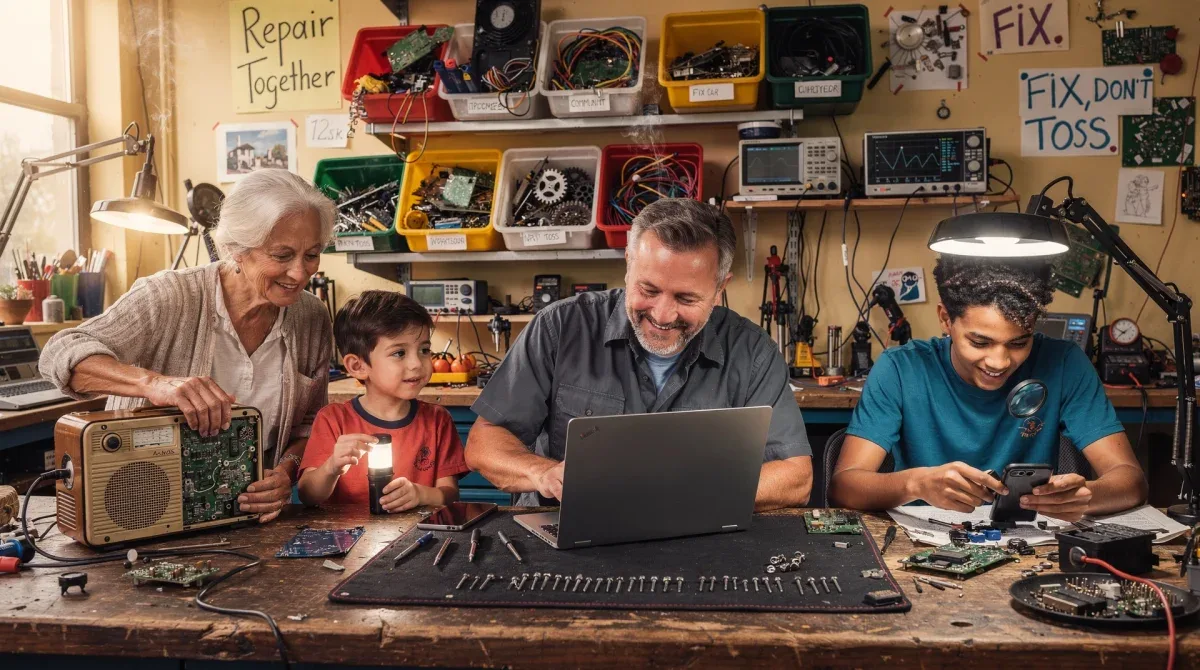
Consumers can start preparing for the 2026 changes by adopting a more repair-conscious mindset and familiarizing themselves with upcoming resources:
- Research Device Repairability: Before making new purchases, look for devices known for their modular design and ease of repair. Websites and consumer reports often provide repairability scores.
- Save Repair Documentation: Keep original purchase receipts, warranty information, and any repair-related documents.
- Identify Local Repair Shops: Start looking for reputable independent repair shops in your area. Building a relationship with a local technician can be beneficial.
- Learn Basic Troubleshooting: Familiarize yourself with basic diagnostic steps for your devices. Many common issues can be resolved with simple troubleshooting.
By becoming more informed and proactive, consumers can take full advantage of their expanded repair rights, saving money and reducing their environmental footprint. This shift empowers individuals to be more responsible stewards of their own possessions.
Guidance for Independent Repair Businesses
Independent repair shops are at the forefront of this change and can take several steps to thrive in the new environment:
- Invest in Training and Equipment: Update technician skills to handle a broader range of devices and invest in new diagnostic tools that will become accessible.
- Establish Relationships with Suppliers: Proactively identify and connect with potential suppliers of genuine OEM parts once the legislation takes effect.
- Market Your Expanded Capabilities: Clearly communicate to customers that you will have access to official parts and information, building trust and attracting new clientele.
- Collaborate with Other Shops: Join industry associations or local networks to share best practices, pool resources, and advocate for continued improvements in repair access.
For independent repair businesses, this is an unprecedented opportunity for growth and legitimacy. By preparing strategically, they can solidify their position as essential service providers in their communities and contribute significantly to a more sustainable economy.
Recommendations for Manufacturers
Manufacturers, while facing challenges, can also prepare to turn this legislative shift into an advantage:
- Proactive Compliance Planning: Develop detailed plans for part distribution, documentation, and training to ensure smooth compliance from day one.
- Embrace Design for Repair: Integrate repairability into future product design cycles. This can become a key marketing differentiator.
- Engage with the Repair Community: Open communication channels with independent repairers to understand their needs and gather feedback, fostering a collaborative environment.
- Highlight Sustainability Efforts: Emphasize how your brand is contributing to a circular economy through repair initiatives, enhancing your corporate social responsibility profile.
By viewing the 2026 expansion not as a burden but as an opportunity for innovation and improved customer relations, manufacturers can adapt successfully and maintain their leadership in the market. It's about aligning business practices with the values of a new generation of consumers.
The Future of Device Ownership and Sustainability
The 2026 Right-to-Repair expansion is more than just a legal adjustment; it represents a significant cultural and economic shift towards a more sustainable future for device ownership. This landmark legislation is set to redefine the relationship between consumers, manufacturers, and the products we rely on daily, moving away from a disposable economy towards one that values longevity, repair, and resource efficiency. The implications stretch far beyond individual device repairs, touching upon global environmental concerns, economic models, and consumer rights.
This paradigm shift encourages a deeper engagement with our possessions, fostering a sense of stewardship rather than transient consumption. It’s about building a future where products are designed to last and designed to be fixed.
Shifting Consumer Mindsets
The increased accessibility of repair options will likely cultivate a more repair-conscious consumer base. This shift in mindset involves:
- Valuing Longevity: Consumers will increasingly prioritize devices that are built to last and are easily repairable over those with planned obsolescence.
- DIY Empowerment: A growing number of individuals may feel empowered to attempt basic repairs themselves, fostering a new wave of DIY enthusiasts.
- Environmental Responsibility: The act of repairing rather than replacing becomes a tangible way for consumers to reduce their personal environmental footprint.
This evolving consumer ethos will, in turn, put pressure on manufacturers to align their practices with these values, creating a virtuous cycle that benefits both people and the planet. It’s a move towards more mindful consumption.
A More Sustainable Circular Economy
The Right-to-Repair expansion is a crucial component of fostering a robust circular economy. By extending the lifespan of products through repair, we reduce the demand for new raw materials, decrease manufacturing energy consumption, and significantly cut down on electronic waste. This has several positive environmental impacts:
- Reduced E-Waste: Less functional electronics ending up in landfills, mitigating pollution and the leakage of hazardous materials.
- Resource Conservation: Lower demand for finite resources like rare earth metals, which are often mined under environmentally damaging conditions.
- Lower Carbon Footprint: Extending product life means fewer new products need to be manufactured, which is typically an energy-intensive process with a high carbon output.
The legislation acts as a powerful lever for environmental stewardship, promoting a system where resources are kept in use for as long as possible, extracting maximum value from them before responsible recycling.
Economic Growth and Innovation in Repair
Beyond environmental benefits, the Right-to-Repair movement is set to stimulate economic growth within the repair sector. This includes:
- Job Creation: The expansion of independent repair services will create new jobs for skilled technicians and related support staff.
- Innovation in Repair Technologies: As repair becomes more accessible, there will be increased investment in developing better diagnostic tools, repair techniques, and sustainable materials.
- Local Economic Resilience: Supporting local repair businesses keeps money within communities, fostering local economic stability and reducing reliance on distant, centralized repair hubs.
The 2026 Right-to-Repair expansion is not merely a legal update; it's a foundational step towards a future where technology serves humanity and the planet more effectively. It embodies a vision where products are built to last, consumers are empowered, and sustainability is woven into the very fabric of our technological lives.
| Key Aspect | Brief Description |
|---|---|
| Legislation Focus | Grants independent access to parts, tools, and manuals for 7 device categories. |
| Consumer Impact | Increased repair choice, lower costs, and extended device lifespan. |
| Business Opportunity | Boost for independent repair shops, fair competition, and growth. |
| Sustainability Driver | Reduces e-waste and promotes a circular economy. |
Frequently Asked Questions About the 2026 Right-to-Repair
Which specific device categories are covered by the 2026 expansion?▼The expansion covers seven key categories: personal computing/mobile devices, major and small home appliances, consumer electronics/entertainment systems, wearable technology, power tools/outdoor equipment, small-scale agricultural/industrial equipment, and non-life-sustaining consumer-grade medical devices.
How will this expansion benefit average consumers?▼Consumers will gain increased choice in repair options, potentially lower repair costs, and the ability to extend the lifespan of their devices. This reduces the pressure to buy new products and fosters greater control over their purchases.
What does independent part access mean for repair shops?▼It means independent repair shops will have fair access to genuine OEM parts, diagnostic tools, and service manuals directly from manufacturers, allowing them to compete more effectively with authorized service centers and serve more customers.
Are there any environmental benefits to the Right-to-Repair?▼Yes, significant environmental benefits include a substantial reduction in electronic waste (e-waste), conservation of valuable raw materials, and a decrease in the carbon footprint associated with manufacturing new devices, promoting a circular economy.
How should manufacturers prepare for these new regulations?▼Manufacturers should proactively plan for part distribution, update documentation, invest in design-for-repair, and engage with the independent repair community. This can lead to enhanced brand reputation and new business opportunities in a sustainable market.
Conclusion
The **2026 Right-to-Repair expansion** marks a pivotal moment in the evolution of consumer rights and environmental responsibility. By mandating access to parts, tools, and information for seven crucial consumer device categories, this legislation empowers individuals and independent repair businesses alike. It fosters a more sustainable, equitable, and economically resilient approach to product ownership, moving us closer to a circular economy where repair is the norm, not the exception. The ripple effects will reshape industries, reduce waste, and ultimately give consumers greater control over the products they purchase, heralding a future where longevity and repairability are paramount.
