Cost-Per-Wear Blueprint: Save $400 Annually on Clothes
The cost-per-wear blueprint helps you maximize your wardrobe's value by focusing on how often you use an item, revealing that investing in durable, versatile pieces ultimately leads to substantial annual savings.
Are you ready to transform your approach to fashion and unlock significant financial savings? The cost-per-wear blueprint offers a smarter way to build your wardrobe, emphasizing quality and versatility over fleeting trends. By strategically curating just four core layers, you can dramatically reduce your clothing expenses, potentially saving over $400 annually, all while elevating your everyday style.
Understanding the Cost-Per-Wear Philosophy
The cost-per-wear philosophy is a powerful metric that shifts your focus from an item's initial price tag to its true value over time. Instead of simply looking at how much you pay for a garment, you consider how many times you will realistically wear it. This simple calculation—item price divided by the number of wears—reveals the actual cost of each use, guiding you towards more informed and economical purchasing decisions.
Embracing this mindset encourages you to prioritize durability, timeless design, and versatility. A $20 t-shirt worn five times costs $4 per wear, while a $100 high-quality sweater worn 100 times costs only $1 per wear. This stark difference highlights how a higher initial investment in a well-made, adaptable piece can be far more budget-friendly in the long run. It's about maximizing utility and minimizing waste, both financially and environmentally.
Why Cost-Per-Wear Matters for Your Wallet
Many people fall into the trap of buying cheap, trendy items that quickly wear out or go out of style. This leads to a constant cycle of replacement purchases, accumulating significant costs over time. The cost-per-wear approach breaks this cycle by advocating for thoughtful consumption.
- Long-term Savings: By investing in durable pieces, you reduce the frequency of replacements, leading to substantial savings.
- Reduced Waste: Fewer disposable items mean less textile waste, contributing to a more sustainable lifestyle.
- Better Quality: A focus on cost-per-wear naturally steers you towards higher-quality materials and craftsmanship.
- Timeless Style: Versatile, foundational pieces often transcend seasonal trends, ensuring your wardrobe remains relevant.
Ultimately, understanding and applying the cost-per-wear principle empowers you to build a wardrobe that is not only stylish and functional but also economically sound. It's a strategic shift that transforms how you perceive and interact with your clothing, moving from impulsive buys to intentional investments.
The Power of a Four-Layer Wardrobe
Building a wardrobe around a core of four versatile layers is the cornerstone of the cost-per-wear blueprint for saving over $400 annually. This approach isn't about deprivation; it's about strategic selection. By focusing on essential, interchangeable pieces, you create a multitude of outfits from a limited number of items, maximizing their utility and drastically lowering your cost per wear. These four layers provide a foundation that can be mixed, matched, and adapted for various occasions, seasons, and personal styles.

Imagine having a wardrobe where every piece works harmoniously with almost every other piece. This eliminates the "nothing to wear" dilemma and reduces the need for impulse purchases. Each layer serves a specific function, from foundational comfort to outer protection, ensuring you're prepared for diverse environments without an overflowing closet. This intentional curation fosters a sense of clarity and purpose in your daily dressing.
Defining Your Core Layers
The exact composition of your four core layers might vary based on your climate, lifestyle, and personal style. However, the general categories remain consistent:
- Base Layer: These are your foundational pieces worn closest to the skin. Think high-quality t-shirts, tank tops, or long-sleeved tops in neutral colors. They should be comfortable, breathable, and durable, serving as the starting point for any outfit.
- Mid-Layer: This layer adds warmth, texture, and visual interest. This could be a versatile button-down shirt, a classic sweater, a cardigan, or a lightweight blouse. These pieces should be easy to layer over your base and under an outer layer.
- Outer Layer: Your primary jacket or coat. This should be a piece that offers protection from the elements and completes your look. Examples include a classic trench coat, a denim jacket, a blazer, or a versatile utility jacket. Choose one that suits most of your activities.
- Bottom Layer: These are your pants, skirts, or foundational dresses. Opt for versatile styles like well-fitting rigid cotton jeans, tailored trousers, a classic black skirt, or a simple, adaptable dress. They should be comfortable and pair well with all your base and mid-layers.
By carefully selecting these four categories, ensuring each item is of high quality and offers maximum versatility, you lay the groundwork for a highly functional and cost-effective wardrobe. This structured approach allows for endless combinations, making your wardrobe feel expansive despite its focused nature.
Selecting High-Quality, Versatile Pieces
The success of the cost-per-wear blueprint hinges on the careful selection of high-quality, versatile pieces. This isn't about buying the most expensive items, but rather investing in garments that offer superior durability, timeless design, and adaptability across various outfits and occasions. Quality fabrics and construction ensure that your core layers withstand frequent wear and washing, maintaining their appearance and integrity over time. Versatility means each piece can be dressed up or down, mixed with different items, and suitable for multiple settings, from casual outings to more formal engagements.

When you focus on these attributes, you naturally gravitate towards items that offer a lower cost per wear. A high-quality wool sweater, though pricier upfront, might last for a decade, while a cheaper synthetic alternative may pill and lose shape after a few washes, requiring replacement. This thoughtful selection process transforms your shopping habits from reactive to proactive, ensuring every purchase is a strategic investment.
Key Considerations for Smart Selection
To ensure your core layers are truly high-value investments, consider these factors during your shopping process:
- Fabric Composition: Look for natural fibers like cotton, linen, wool, and silk, which are often more durable, breathable, and age gracefully. Blends can also be excellent if they enhance performance, like stretch for comfort.
- Construction Details: Examine seams, stitching, and hardware. Strong, even stitching, reinforced buttons, and quality zippers are indicators of good craftsmanship that will stand the test of time.
- Color Palette: Stick to a cohesive color palette, primarily neutrals (black, white, gray, navy, beige) with a few complementary accent colors. This ensures maximum mix-and-match potential among your core layers.
- Timeless Design: Opt for classic silhouettes and simple designs that aren't tied to fleeting trends. A classic crew-neck t-shirt, straight-leg trousers, or a well-cut blazer will always be in style.
- Fit: Ensure each garment fits well and is comfortable. An ill-fitting item, no matter how high its quality, won't be worn frequently, thus increasing its cost per wear.
By meticulously evaluating these aspects, you build a wardrobe where every piece earns its place, contributing to a cohesive and functional collection that serves your style needs efficiently. This careful curation is what ultimately drives the significant savings. It's a commitment to quality that pays dividends, both in your appearance and your financial health.
Calculating and Tracking Your Cost-Per-Wear
To truly harness the power of the cost-per-wear blueprint, it's essential to actively calculate and track this metric for your clothing items. This practice provides tangible data that reinforces smart purchasing decisions and reveals the true value of your wardrobe. Without this tracking, the concept remains theoretical; with it, you gain clear insights into which items are working hard for your money and which are gathering dust, proving to be expensive mistakes.
Starting this tracking process can feel daunting, but it's simpler than you might think. The goal isn't perfect precision, but rather a realistic estimate that guides your habits. By regularly checking in with your wardrobe, you develop a stronger connection to your clothes and a more mindful approach to consumption. This awareness is a critical step in achieving those annual savings targets.
A Simple Tracking Method
You don't need complex software to track your cost per wear. A simple spreadsheet or even a notebook can suffice. Here's a basic approach:
- Initial Setup: Create a list of your core wardrobe items. For each item, record its purchase price.
- Daily/Weekly Tally: Each time you wear an item, make a tally mark next to it. Some people prefer a weekly review, noting what they wore over the past seven days.
- Regular Calculation: Periodically (e.g., monthly or quarterly), divide the item's purchase price by its current wear count to get the cost per wear.
- Decision Making: Use this data to inform future purchases. Items with a low cost per wear (meaning they're worn often) indicate successful investments. Items with a high cost per wear (rarely worn) might signal a need to rethink similar purchases or consider donating/selling the item.
For instance, if you buy a versatile blazer for $150 and wear it 10 times in a month, its cost per wear is $15. If you continue to wear it consistently, reaching 50 wears in a year, its cost per wear drops to $3. This tangible reduction reinforces the value of your initial investment and encourages you to choose versatile pieces that you'll wear repeatedly.
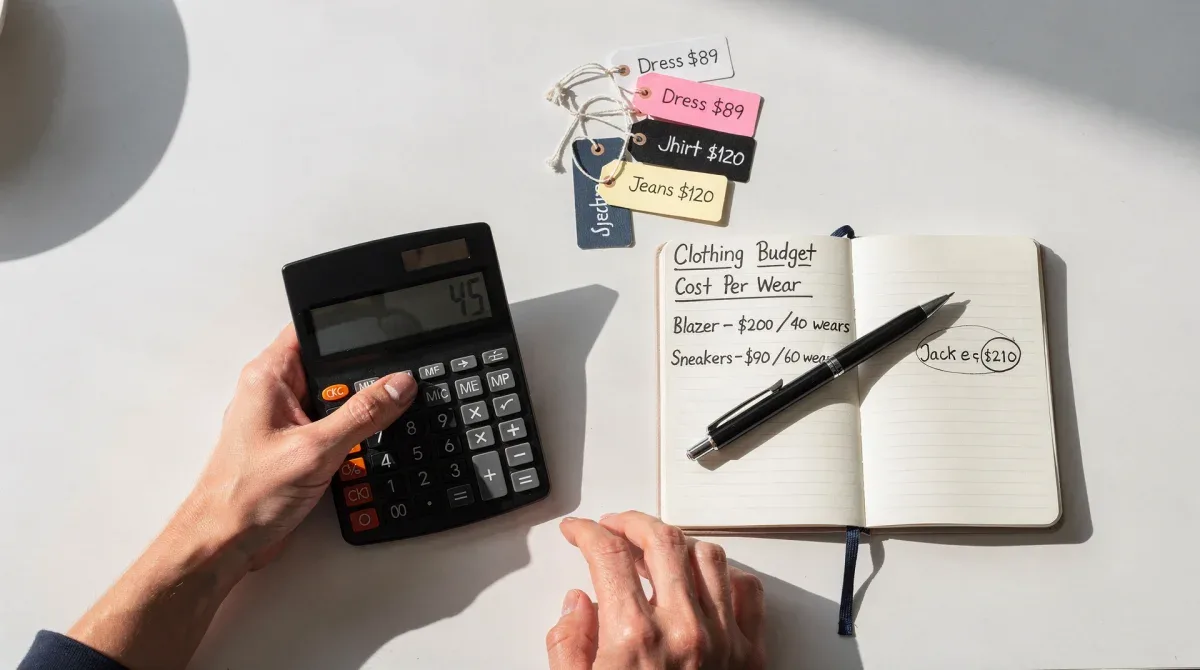
By consistently applying this tracking method, you gain a clear picture of your wardrobe's efficiency. It helps you identify gaps, refine your style, and, most importantly, provides the empirical evidence needed to justify investing in higher-quality items that will ultimately save you money. This data-driven approach transforms fashion from an expense into a strategic asset.
Maintaining Your Core Layers for Longevity
The longevity of your core layers is paramount to realizing the full savings potential of the cost-per-wear blueprint. Even the highest quality garments won't achieve a low cost per wear if they aren't properly cared for. Effective maintenance extends the life of your clothes, ensuring they remain presentable and functional for years, reducing the need for premature replacements. This commitment to care is an integral part of sustainable and economical fashion, transforming your wardrobe into a collection of lasting assets rather than disposable items.
Proper garment care goes beyond simply washing. It involves understanding fabric needs, appropriate storage, and timely repairs. By adopting a mindful approach to clothing maintenance, you not only save money but also reduce your environmental footprint by minimizing textile waste. This holistic perspective ensures that your initial investment continues to pay dividends over an extended period.
Essential Care Practices for Your Wardrobe
Implementing these simple yet effective care practices can significantly prolong the life of your core layers:
- Read Care Labels: Always follow the specific washing and drying instructions provided on each garment's label. These instructions are tailored to the fabric composition and construction to prevent damage.
- Wash Less Frequently: Many items, especially outer layers or delicate pieces, don't need washing after every wear. Airing them out or spot-cleaning can often suffice, preserving fibers and reducing wear and tear from washing machines.
- Use Appropriate Detergents: Select detergents suitable for your fabrics. Gentle detergents for delicates and color-safe options for vibrant hues can make a big difference.
- Proper Storage: Store clothes correctly. Hang items that wrinkle easily, fold knits to prevent stretching, and ensure your closet is clean, dry, and free from pests. Use padded hangers for delicate garments.
- Timely Repairs: Address small issues like loose buttons, minor tears, or undone seams promptly. A quick repair can prevent a small problem from becoming irreversible damage, saving you the cost of a replacement.
By integrating these care routines into your lifestyle, you actively participate in making your wardrobe more sustainable and cost-effective. Each act of maintenance contributes to reducing the cost per wear of your garments, reinforcing the financial wisdom of investing in quality. This diligent approach ensures your clothes look good and last long, solidifying the benefits of the cost-per-wear blueprint.
Realizing Over $400 in Annual Savings
The promise of saving over $400 annually isn't an exaggeration; it's a realistic outcome when consistently applying the cost-per-wear blueprint. This significant saving stems from a fundamental shift in consumer behavior: moving away from impulse purchases and low-quality, trend-driven items towards thoughtful investments in durable, versatile core layers. The cumulative effect of fewer replacements, smarter choices, and extended garment life quickly adds up, transforming your fashion budget from a drain to a well-managed resource.
Consider the typical spending habits of many consumers. They might buy several cheap tops that last only a few washes, multiple pairs of trendy pants that go out of style quickly, and a new jacket each season. This cycle, often fueled by fast fashion, results in frequent outlays of cash that, individually, might seem small but collectively amount to a substantial sum. The cost-per-wear approach directly counters this, creating a more efficient and economical wardrobe.
The Cumulative Impact of Smart Choices
Let's break down how these savings materialize:
- Reduced Impulse Buys: By having a clear understanding of your core needs and focusing on versatile items, you're less likely to succumb to impulse purchases of items you don't truly need or won't wear often. If you typically spend $50 on such items monthly, cutting half of those could save you $300 annually.
- Extended Garment Life: Investing in higher-quality items and maintaining them properly means they last longer. If you previously replaced a $50 pair of jeans every year, but now a $100 pair lasts three years, you save $50 per year ($150 over 3 years vs. $100 for the quality pair). Apply this across multiple categories, and savings quickly grow.
- Maximizing Wardrobe Potential: A versatile four-layer wardrobe means you can create more outfits with fewer items. This reduces the perceived need for new clothes, as you always feel like you have something suitable to wear. This prevents "panic buying" for specific events.
- Avoiding "Trendy" Waste: Fast fashion trends come and go rapidly. By focusing on timeless pieces, you avoid spending money on items that will feel dated in a few months, only to be replaced by the next trend.
The $400 figure is a conservative estimate. For many, the savings could be even greater, especially if they were previously heavy consumers of fast fashion. This blueprint empowers you to take control of your clothing budget, allowing you to reallocate those savings to other financial goals or experiences, proving that smart style can indeed lead to significant financial freedom.
Integrating the Blueprint into Your Lifestyle
Adopting the cost-per-wear blueprint isn't just about changing how you shop; it's about integrating a more mindful and strategic approach to your entire lifestyle. This philosophy extends beyond your closet, influencing how you perceive value, sustainability, and personal finance. It's a gradual shift, not an overnight transformation, requiring patience and consistent effort. By embedding these principles into your daily routines and decision-making processes, you create a lasting impact on your style, your wallet, and your environmental footprint.
The beauty of this blueprint lies in its adaptability. It doesn't dictate a specific aesthetic but rather provides a framework for making smarter choices within your preferred style. Whether you favor minimalist chic, bohemian flair, or classic elegance, the core tenets of quality, versatility, and conscious consumption remain universally applicable. This integration fosters a deeper appreciation for your belongings and a more intentional way of living.
Practical Steps for Seamless Integration
To make the cost-per-wear blueprint a natural part of your life, consider these practical steps:
- Declutter and Assess: Start by decluttering your current wardrobe. Identify what you truly wear, what you love, and what aligns with your core style. This provides a clear picture of what you have and what you might genuinely need.
- Create a Wish List: Instead of impulse buying, create a thoughtful wish list for future purchases. Research brands and specific items that align with your quality and versatility criteria.
- Shop with Purpose: When you do shop, do so with a clear intention. Ask yourself: Is this item high-quality? Is it versatile? Will I wear it frequently? Does it fit well within my existing core layers?
- Embrace Secondhand: Don't overlook thrift stores, consignment shops, or online marketplaces. You can often find high-quality, durable pieces at a fraction of their original cost, significantly lowering your initial investment and thus your cost per wear.
- Educate Yourself: Continuously learn about sustainable fashion practices, ethical brands, and fabric care. The more knowledgeable you are, the better equipped you'll be to make informed decisions.
By consciously integrating these practices, the cost-per-wear blueprint becomes less of a strict rule and more of an intuitive guide. You'll find yourself making better choices almost automatically, enjoying the benefits of a well-curated wardrobe and the substantial annual savings that come with it. It’s a journey towards a more intentional and economically savvy approach to style.
| Key Principle | Brief Description |
|---|---|
| Cost-Per-Wear | Divide item price by wears to reveal true cost, favoring durable items. |
| Four Core Layers | Focus on base, mid, outer, and bottom layers for versatility. |
| Quality Over Quantity | Invest in well-made, timeless pieces that last longer and perform better. |
| Maintenance & Tracking | Care for clothes diligently and track wear counts to maximize value. |
Frequently asked questions about cost-per-wear
What exactly is the cost-per-wear concept?▼Cost-per-wear (CPW) is a metric that evaluates the true value of a clothing item by dividing its purchase price by the number of times it has been worn. This helps consumers understand that a more expensive, durable garment worn frequently can be more economical than a cheaper item worn only a few times.
How can a four-layer wardrobe save me over $400 annually?▼By focusing on four versatile core layers (base, mid, outer, and bottom), you create a highly interchangeable wardrobe. This reduces the need for frequent purchases of trendy, single-use items, leading to fewer overall clothing expenditures and maximizing the utility of each piece you own, resulting in significant savings.
What kind of items should I prioritize for my core layers?▼Prioritize high-quality, timeless pieces in neutral colors that can be easily mixed and matched. Examples include well-fitting jeans, classic t-shirts, versatile sweaters, and a durable jacket. Focus on natural fibers and strong construction to ensure longevity and adaptability across various occasions and seasons.
Is buying more expensive clothing always better for cost-per-wear?▼Not necessarily. While higher prices often correlate with better quality, the key is the frequency of wear. A moderately priced, versatile item you wear 100 times is a better investment than a very expensive item you wear only twice. Focus on the intersection of quality, versatility, and your actual usage habits.
How do I track my cost-per-wear effectively?▼You can use a simple spreadsheet or notebook to list items and their purchase prices. Each time you wear an item, make a tally mark. Regularly divide the price by the total wears to get your CPW. This tracking helps you identify high-value items and refine future purchasing decisions for maximum savings.
Conclusion
Embracing the cost-per-wear blueprint is more than just a budgeting trick; it's a strategic shift towards a more intentional, sustainable, and financially savvy approach to fashion. By curating a versatile wardrobe of just four core layers, prioritizing quality, and diligently tracking your usage, you can realistically save over $400 annually while elevating your personal style. This method empowers you to make smarter purchasing decisions, reduce waste, and build a wardrobe that truly serves you, proving that thoughtful consumption is both stylish and economically rewarding.
