Dating Shows Rebound: Casting Shifts Drive 22% Ratings Surge
Strategic casting format changes have revitalized dating shows, leading to a significant 22% ratings rebound and demonstrating a pivotal shift in unscripted entertainment consumption among audiences in the United States.
The landscape of unscripted entertainment is constantly evolving, and a striking example of this dynamic shift is the recent resurgence of dating shows. A compelling 22% ratings rebound has been observed, directly attributable to significant dating shows rebound casting format changes. This phenomenon isn't merely a fleeting trend; it represents a profound understanding of audience desires and a strategic pivot in how reality television connects with its viewers. This article delves into the intricacies of these changes, exploring the factors that fueled this impressive comeback and what it signifies for the future of pop culture and human connection on screen.
The evolution of dating show formats
Dating shows have been a staple of television for decades, from the classic 'Dating Game' to the more elaborate productions of today. However, the genre had begun to show signs of fatigue, with predictable narratives and often homogeneous casts. The recent ratings rebound signals a successful reinvention, moving beyond superficial attractions to delve deeper into genuine human connection and diverse storytelling. This evolution reflects a broader cultural shift towards authenticity and inclusivity in media representation.
Audiences are no longer content with one-dimensional characters or manufactured drama. They crave relatability and a sense of genuine stakes. The changes in format have responded to this demand by introducing more complex challenges, varied relationship dynamics, and, crucially, a wider array of personalities and backgrounds among the contestants.
Shifting audience expectations
Modern viewers, particularly in the United States, are savvier than ever. They can spot inauthenticity from a mile away and are quick to disengage from content that feels forced or contrived. The pressure on producers to deliver fresh, compelling narratives has never been higher. This has led to a re-evaluation of what makes a dating show truly engaging.
- Demand for genuine connections: Viewers want to see real emotions and relationships develop.
- Rejection of manufactured drama: Overly scripted conflicts are no longer appealing.
- Preference for diverse representation: Audiences seek to see themselves and their communities reflected on screen.
The success of these format changes lies in their ability to tap into universal themes of love, vulnerability, and self-discovery, but through a lens that feels contemporary and relevant. It’s about creating an environment where real human stories can unfold organically, rather than being dictated by a rigid script.
In conclusion, the evolution of dating show formats is a testament to the industry's capacity for adaptation. By listening to their audience and embracing innovation, producers have managed to breathe new life into a beloved genre, proving that authenticity and diversity are key ingredients for sustained success in unscripted entertainment.
Strategic casting: the secret sauce for ratings growth
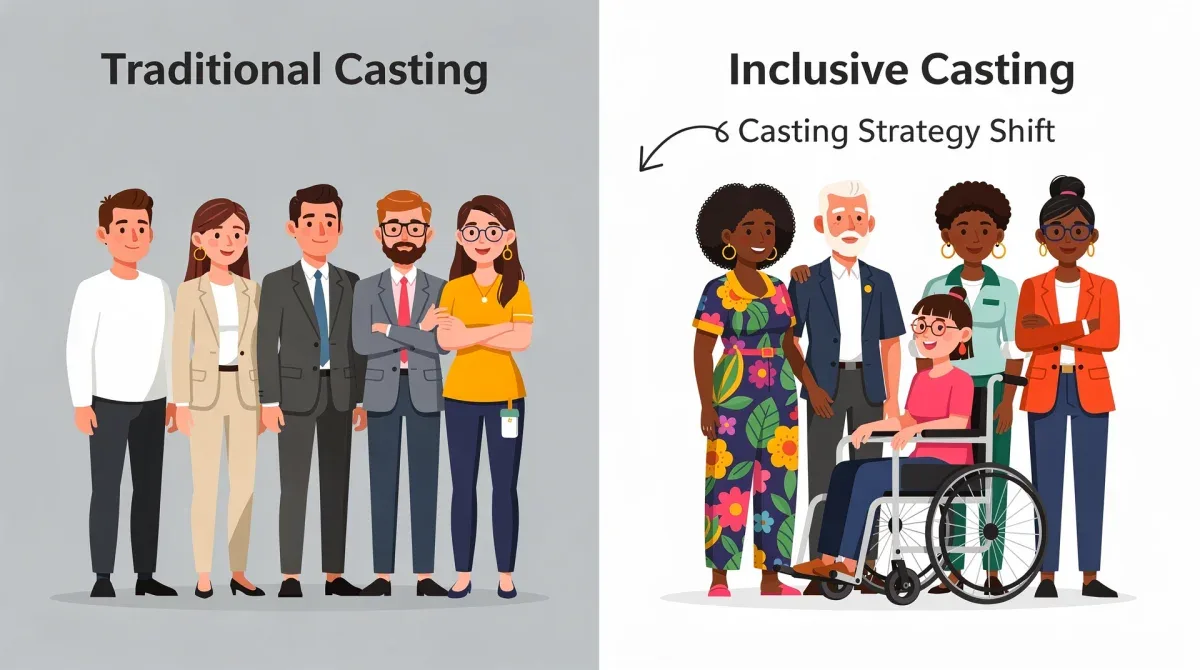
The most impactful change behind the 22% ratings rebound for dating shows has unequivocally been the strategic overhaul of casting processes. Gone are the days when casting directors focused solely on conventional attractiveness or archetypal personalities. Today, the emphasis is on creating a tapestry of individuals whose unique stories, backgrounds, and perspectives enrich the narrative and resonate deeply with a broader viewership. This shift acknowledges that true entertainment often springs from unexpected connections and authentic interactions, rather than predictable pairings.
Producers are actively seeking out contestants who represent the multifaceted reality of modern dating. This includes a wider range of ages, body types, ethnicities, sexual orientations, and socioeconomic backgrounds. The goal is to present a more accurate and relatable reflection of society, allowing viewers to see themselves and their experiences mirrored on screen, fostering a stronger emotional investment in the show's outcomes.

Embracing diversity and inclusivity
Diversity in casting extends beyond mere demographics; it encompasses a spectrum of life experiences and viewpoints. Shows are now featuring individuals with varied career paths, personal challenges, and relationship histories, which adds layers of complexity and genuine intrigue to the dating dynamics. This inclusivity not only broadens the appeal of the shows but also sparks important conversations among viewers, transforming passive consumption into active engagement.
- Wider age ranges: Including participants from different generations brings fresh perspectives.
- Varied professional backgrounds: Different careers lead to diverse life experiences and dating priorities.
- Inclusion of LGBTQ+ individuals: Reflecting the full spectrum of love and relationships.
- Representation of different body types: Challenging conventional beauty standards and promoting body positivity.
The success of this strategic casting is evident in the increased social media buzz and watercooler discussions surrounding these shows. Viewers are not just watching; they are discussing, debating, and emotionally investing in the journeys of these diverse individuals. This heightened engagement translates directly into higher ratings and a more loyal fanbase.
Ultimately, strategic casting has proven to be the cornerstone of the recent ratings success. By moving beyond superficial criteria and embracing a more inclusive and authentic approach, dating shows have tapped into a wellspring of viewer interest, demonstrating that true relatability is the most powerful magnet for an audience.
The impact of authenticity on viewer engagement
The pursuit of authenticity has become a critical driver in the recent surge of dating show popularity. When viewers perceive a show as genuine, their engagement skyrockets. This means moving away from heavily produced scenarios and allowing contestants to express their true selves, including their vulnerabilities, quirks, and genuine reactions. The ratings rebound is a clear indicator that audiences are weary of manufactured drama and are instead drawn to narratives that feel real and unscripted, even within a structured reality format.
Authenticity fosters a deeper emotional connection between the audience and the participants. When contestants are allowed to be themselves, their struggles and triumphs become more relatable, making viewers more invested in their journeys. This shift has redefined what makes a dating show compelling, emphasizing emotional honesty over dramatic theatrics.
From manufactured drama to genuine connection
Historically, many dating shows relied on creating artificial conflicts or exaggerated personalities to generate excitement. However, this approach often backfired, leading to viewer cynicism and a sense of detachment. The new wave of successful dating shows prioritizes the organic development of relationships and challenges, allowing for more nuanced and believable interactions.
- Reduced reliance on producer intervention: Allowing relationships to evolve naturally.
- Emphasis on personal growth: Focusing on contestants' individual journeys and self-discovery.
- Raw emotional responses: Embracing unfiltered reactions and genuine feelings.
This commitment to authenticity also extends to how challenges and dates are structured. Instead of elaborate, often impractical setups, many shows are opting for more grounded, real-world experiences that allow for genuine conversations and connection. This subtle yet significant change has made the shows feel more grounded and relatable, further enhancing viewer engagement.
The impact of authenticity on viewer engagement cannot be overstated. By prioritizing genuine human interaction and emotional honesty, dating shows have not only recaptured their audience but have also cultivated a more loyal and invested viewership. This trend suggests a broader shift in what audiences value in unscripted entertainment, favoring relatability and sincerity above all else.
Beyond the screen: social media and viewer interaction
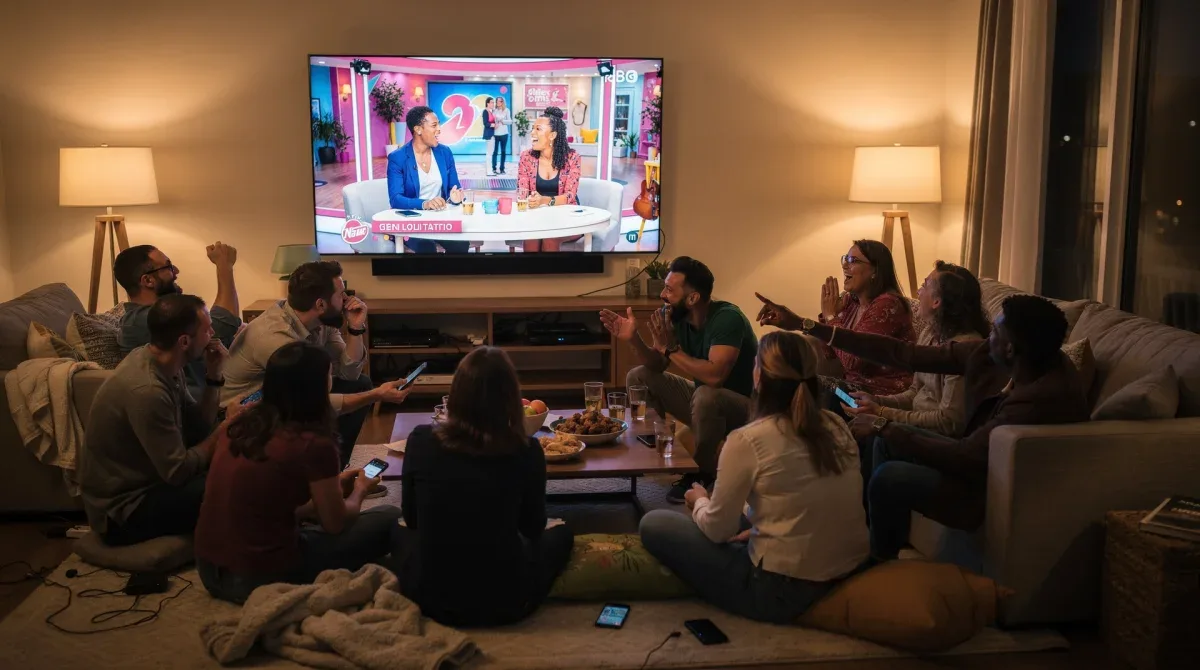
The modern viewing experience extends far beyond the television screen, with social media playing an indispensable role in amplifying the impact of dating shows. The 22% ratings rebound isn't just about people tuning in; it's about them actively participating in a shared cultural conversation online. Social media platforms have become virtual water coolers where viewers dissect episodes, debate contestant choices, and form communities around their favorite shows. This interactive element transforms passive viewing into an immersive, communal experience, significantly boosting engagement and overall reach.
The strategic casting changes have provided a richer tapestry of characters and storylines, giving viewers more to discuss and connect with. Diverse personalities and unexpected pairings generate more diverse opinions and theories, fueling endless discussions across Twitter, Instagram, TikTok, and Reddit. This organic, viewer-driven content acts as powerful, free marketing for the shows, drawing in new audiences curious about the buzz.
The power of real-time commentary
Live tweeting during episodes has become a ritual for many dating show fans. This real-time commentary allows viewers to react instantly, share humor, express frustration, and bond with others who are experiencing the same emotions. The accessibility of contestants on social media, often sharing behind-the-scenes glimpses or responding to fan comments, further blurs the line between the show and reality, deepening viewer investment.
- Instant reactions and memes: Creating viral content that spreads awareness.
- Fan theories and predictions: Building anticipation and encouraging continued viewing.
- Direct interaction with cast members: Personalizing the viewing experience.
- Community building: Fostering a sense of belonging among fans.
Moreover, the controversy or triumphs of certain cast members, especially those who break traditional molds, often dominate social media trends for days, keeping the show relevant between episodes. This extended lifecycle of engagement is invaluable for maintaining momentum and attracting new viewers who want to understand what all the fuss is about. The symbiotic relationship between dating shows and social media is a powerful engine for continued growth and cultural relevance.
In essence, social media has transformed dating shows from mere entertainment into interactive cultural events. The ability for viewers to engage, discuss, and connect with both the show and each other has been instrumental in the genre's impressive ratings rebound, cementing its place as a dynamic force in unscripted entertainment.
Production innovation: enhancing the dating show experience
Beyond casting, significant production innovations have played a pivotal role in the dating shows rebound casting success. Modern dating shows are leveraging cutting-edge technology and creative storytelling techniques to enhance the viewer experience, making each episode more visually appealing, emotionally resonant, and dynamically paced. This isn't just about higher budgets; it's about smarter production choices that amplify the authenticity and drama inherent in the new casting strategies.
Producers are experimenting with new narrative structures, such as split timelines, confessional segments that offer deeper psychological insights, and interactive elements that allow viewers to feel more involved. The goal is to move beyond the conventional linear storytelling, creating a richer, more engaging narrative that mirrors the complexity of real-life relationships.
Technological advancements and storytelling
The use of advanced camera work, cinematic editing, and immersive sound design has elevated the production quality of dating shows, making them feel more like high-end dramas than traditional reality TV. This sophisticated approach helps to draw viewers into the emotional core of the stories, making the stakes feel higher and the connections more profound.
- Dynamic camera angles: Capturing intimate moments with greater impact.
- Enhanced editing techniques: Building suspense and emotional arcs effectively.
- Immersive soundscapes: Creating atmosphere and emphasizing emotional cues.
- Interactive fan engagement tools: Allowing viewers to vote or influence outcomes in some formats.
Furthermore, many shows are exploring innovative settings and challenges that push contestants out of their comfort zones, leading to more genuine reactions and unexpected revelations. These fresh environments, combined with thoughtful production, ensure that even familiar dating show tropes feel new and exciting. The blend of beautiful cinematography with raw human emotion creates a compelling viewing experience that keeps audiences hooked.
Ultimately, production innovation has been key to modernizing the dating show genre. By embracing new technologies and creative storytelling, producers have managed to craft shows that are not only visually stunning but also deeply engaging on an emotional level, contributing significantly to the genre's remarkable ratings resurgence.
Looking ahead: sustaining the dating show momentum
The 22% ratings rebound for dating shows, largely driven by innovative casting, presents both an opportunity and a challenge for the unscripted entertainment industry. Sustaining this momentum requires a continuous commitment to the principles that fueled this resurgence: authenticity, diversity, and genuine connection. The landscape of viewer preferences is ever-changing, and what resonates today may not necessarily captivate audiences tomorrow.
Producers must remain vigilant in their quest for fresh perspectives and compelling narratives, avoiding the temptation to revert to old, predictable formulas. The success of recent shows demonstrates that audiences are not just looking for escapism; they are seeking relatable experiences and a reflection of the evolving social fabric.
Future trends and challenges
As dating shows move forward, several key trends are likely to shape their evolution. The demand for even greater inclusivity, not just in terms of demographics but also in exploring different types of relationships and dating experiences, will continue to grow. There's also an increasing interest in formats that integrate technology in novel ways, perhaps through AI-driven matchmaking or virtual reality experiences.
- Expanding definitions of love: Exploring polyamory, asexual relationships, and other non-traditional dynamics.
- Technological integration: Utilizing AI, VR, or augmented reality for unique dating experiences.
- Focus on mental health: Incorporating discussions and support for contestants' well-being.
- Global formats: Adapting successful international dating show concepts for local audiences.
However, challenges persist. The pressure to maintain authenticity while navigating the demands of reality television production is constant. There's also the risk of oversaturation as more shows enter the market, potentially diluting the impact of individual programs. Balancing innovation with established viewer expectations will be crucial for long-term success. The industry must continue to experiment, taking calculated risks to keep the genre fresh and relevant.
In conclusion, sustaining the dating show momentum will depend on ongoing creativity and a deep understanding of the evolving audience. By building upon the successful foundation of strategic casting and embracing future innovations, dating shows can continue to thrive as a vibrant and influential segment of unscripted entertainment, reflecting and shaping pop culture for years to come.
| Key Point | Brief Description |
|---|---|
| Casting Overhaul | Shifted from conventional to diverse and authentic participants, reflecting modern society. |
| Authenticity Emphasis | Prioritizing genuine interactions and emotional honesty over manufactured drama. |
| Social Media Impact | Amplified viewer engagement through real-time discussions, memes, and fan communities. |
| Production Innovation | Utilized advanced techniques and creative storytelling to enhance the viewing experience. |
Frequently asked questions about dating show resurgence
What exactly caused the 22% ratings rebound in dating shows?▼The primary driver was a strategic overhaul in casting formats, focusing on more diverse, authentic, and relatable contestants. This shift moved away from traditional archetypes, allowing for genuine connections and narratives that resonated more deeply with a broader audience, thereby increasing viewer engagement and tune-in rates across various platforms.
How has diversity in casting impacted viewer engagement?▼Diversity in casting has significantly boosted viewer engagement by reflecting a wider range of experiences and identities. Audiences feel more represented and connected to the participants, leading to increased emotional investment, richer discussions on social media, and a stronger sense of community around the shows, translating to higher ratings.
Are these casting changes sustainable for long-term success?▼Yes, these casting changes are generally sustainable because they align with evolving audience values for authenticity and inclusivity. By continually adapting to societal shifts and viewer preferences, dating shows can maintain relevance. The key is ongoing innovation in casting and storytelling, avoiding stagnation and predictable formats that could lead to viewer fatigue.
What role does social media play in the success of modern dating shows?▼Social media is crucial for modern dating shows, transforming passive viewing into an interactive experience. Platforms like Twitter and Instagram facilitate real-time discussions, meme creation, and direct fan-cast interactions. This amplifies buzz, extends show relevance between episodes, and attracts new viewers through organic, user-generated content and shared cultural conversations.
Beyond casting, what other factors contribute to the rebound?▼Beyond casting, production innovations have been vital. This includes enhanced cinematic quality, dynamic camera work, sophisticated editing, and immersive sound design. Additionally, the shift towards more genuine, less manufactured drama and the exploration of unique, challenging environments for contestants have all contributed to a more engaging and compelling viewing experience.
Conclusion
The remarkable 22% ratings rebound in dating shows stands as a powerful testament to the transformative impact of strategic casting and a renewed focus on authenticity within unscripted entertainment. By embracing diverse narratives and allowing genuine human connections to flourish, producers have successfully re-engaged audiences who were once growing weary of predictable formats. This shift not only revitalized a beloved genre but also underscored the evolving desires of viewers for content that is relatable, inclusive, and emotionally resonant. As the industry moves forward, maintaining this commitment to innovative casting and authentic storytelling will be paramount for sustaining momentum and ensuring dating shows continue to captivate and reflect the complexities of modern relationships.
