EV Battery Diagnostics 2026: Save on Used EVs
By 2026, on-board scanners will revolutionize EV battery diagnostics, empowering used electric vehicle buyers to assess battery health accurately and potentially save up to $3,000 on their purchase, mitigating risks associated with battery degradation.
The landscape of electric vehicle ownership is rapidly evolving, especially for those considering the used market. Understanding battery health diagnostics in 2026 is becoming paramount, as on-board scanners are set to empower used EV buyers to save significant amounts, potentially up to $3,000, by providing transparent and accurate battery condition reports.
The evolving landscape of used electric vehicles
The used electric vehicle market is expanding at an unprecedented rate, driven by technological advancements, increasing consumer adoption, and a growing emphasis on sustainability. As more EVs enter their second and third ownership cycles, the question of battery health becomes a critical factor for potential buyers. Unlike traditional internal combustion engine vehicles where mechanical wear is the primary concern, an EV's battery is its heart, and its degradation directly impacts range, performance, and resale value.
Navigating this burgeoning market requires new tools and knowledge. Buyers are increasingly sophisticated, seeking verifiable data rather than relying solely on odometer readings or subjective assessments. The transition to electric mobility brings both exciting opportunities and unique challenges, particularly concerning the longevity and performance of the most expensive component: the battery pack.
Understanding battery degradation in EVs
Electric vehicle batteries, predominantly lithium-ion, undergo a natural process of degradation over time and use. This isn't a sudden failure but a gradual reduction in capacity and power output. Several factors contribute to this process:
- Charge cycles: Each full charge and discharge cycle slightly reduces the battery's overall capacity.
- Temperature exposure: Extreme hot or cold temperatures can accelerate degradation if not properly managed by the vehicle's thermal management system.
- Charging habits: Frequent fast charging or consistently charging to 100% can put additional stress on the battery.
- Age: Even with minimal use, batteries naturally degrade over time due to chemical processes.
Understanding these factors is crucial for assessing a used EV's true value. A battery with significant degradation may offer a lower range and require more frequent charging, directly impacting the ownership experience and potential future costs.
The evolution of battery technology means that newer EVs often come with more robust thermal management systems and chemistry designed for greater longevity. However, for vehicles from earlier generations, battery health remains a primary concern. The ability to accurately measure and interpret this degradation is what truly empowers buyers.
The rise of on-board diagnostic scanners for EV batteries
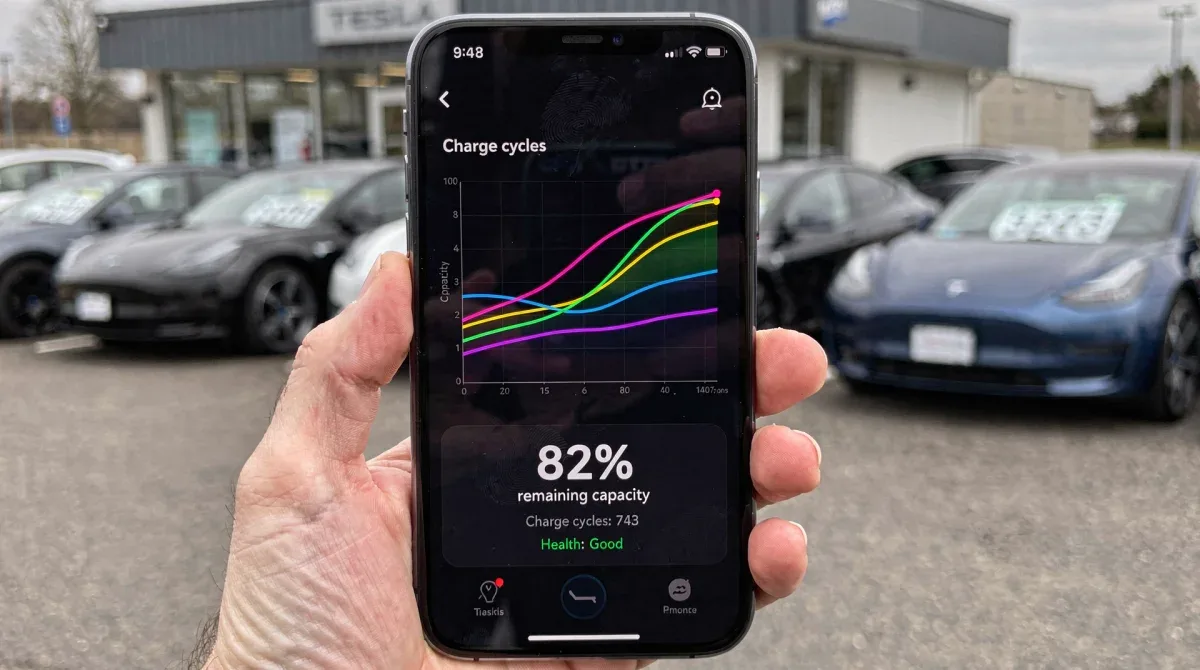
In 2026, on-board diagnostic (OBD) scanners are no longer just for checking engine lights; they are indispensable tools for assessing electric vehicle battery health. These advanced devices, often paired with smartphone apps, plug directly into an EV's OBD-II port, accessing a wealth of data from the vehicle's battery management system (BMS).

The technology behind these scanners has matured significantly, moving beyond basic error codes to provide comprehensive insights into the battery's state. This allows buyers to make informed decisions, reducing the uncertainty associated with purchasing a used EV. The data provided is often presented in an easy-to-understand format, democratizing access to critical information.
Key metrics provided by modern EV battery scanners
Modern on-board scanners offer a detailed snapshot of a battery's condition, translating complex data into actionable insights. These metrics are vital for understanding the remaining life and performance of an EV battery:
- State of Health (SOH): This is perhaps the most critical metric, indicating the battery's current capacity relative to its original design capacity. A new battery starts at 100% SOH.
- Depth of Discharge (DOD): Provides insights into how deeply the battery is typically discharged, which can impact its long-term health.
- Number of charge cycles: Indicates how many times the battery has been fully charged and discharged, offering a historical perspective on its usage.
- Internal resistance: A higher internal resistance can indicate increased degradation, affecting power delivery and charging efficiency.
These scanners go beyond simple readings, often employing algorithms to predict future degradation based on historical data and usage patterns. This predictive capability is a game-changer for used EV buyers, allowing them to anticipate potential issues and budget for future maintenance or eventual battery replacement.
The integration of these scanners with cloud-based analytics platforms further enhances their utility. Data collected from various vehicles can be aggregated and analyzed, providing benchmarks and comparative insights that were previously unavailable. This collective intelligence helps to establish more accurate valuations for used EVs based on their actual battery health.
How on-board scanners save used EV buyers money
The direct financial benefit of using on-board scanners for EV battery diagnostics is substantial, potentially saving buyers up to $3,000 or more on a used electric vehicle purchase. This saving comes from two primary avenues: accurate valuation and avoiding costly surprises.
Without an accurate assessment of battery health, buyers are often forced to rely on general market prices, which may not reflect the true condition of a specific vehicle's battery. A degraded battery can significantly reduce a vehicle's range and performance, leading to a diminished driving experience and potentially higher costs down the line. Scanners provide the objective data needed to negotiate a fair price.
Negotiating better prices with data-driven insights
Armed with a detailed battery health report, buyers gain a powerful negotiation tool. If a scanner reveals that a battery has, for example, an 80% state of health (SOH) instead of the expected 90% for its age, this quantifiable degradation can be used to justify a lower purchase price. A 10% reduction in SOH can translate to a significant drop in range and performance, warranting a price adjustment.
For instance, if a used EV is listed at $25,000 and the battery diagnostic report indicates a SOH that is 10-15% lower than average for that model and age, a buyer could reasonably argue for a $1,500 to $3,000 reduction in price, depending on the overall vehicle value and battery replacement costs. This is not just about saving money at the point of purchase but also about avoiding future expenses related to lower efficiency or eventual battery servicing.
Moreover, some sellers might be unaware of their EV's actual battery health. Presenting them with a professional diagnostic report can facilitate a more transparent and equitable transaction for both parties. It shifts the discussion from subjective observations to objective, verifiable data.
Avoiding hidden costs and future expenditures
Beyond upfront savings, on-board scanners help buyers avoid the hidden costs associated with a severely degraded battery. A battery nearing the end of its useful life could require a costly replacement, which can run into thousands of dollars. By identifying such issues pre-purchase, buyers can either opt for a different vehicle or factor the replacement cost into their offer.
Furthermore, a battery with poor health will typically have a shorter range, leading to more frequent charging and potentially higher electricity costs over time. It can also impact the vehicle's resale value when the buyer eventually decides to sell. An informed purchase minimizes these long-term financial burdens, ensuring that the investment in a used EV is sound and sustainable.
The technology behind 2026's advanced scanners
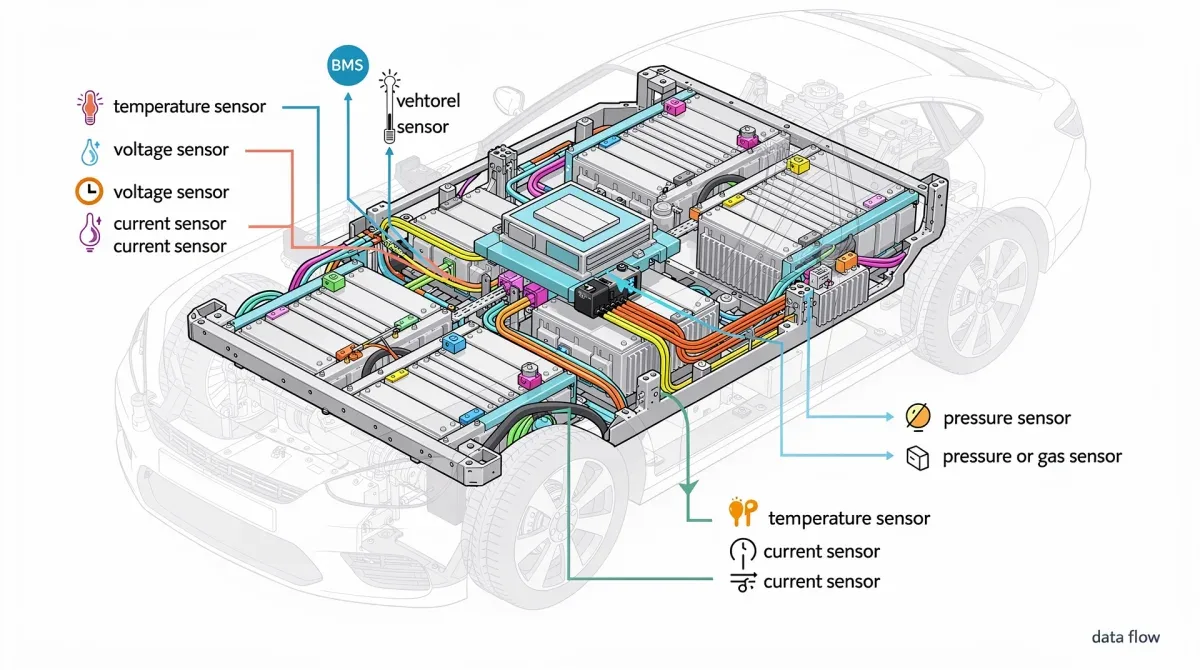
The evolution of on-board diagnostic scanners for electric vehicles in 2026 is driven by significant advancements in sensor technology, data processing, and artificial intelligence. These devices are becoming increasingly sophisticated, offering unparalleled accuracy and depth of analysis for EV battery diagnostics.
Improvements in communication protocols between the scanner and the vehicle's battery management system (BMS) allow for faster and more comprehensive data extraction. This means that instead of just reading basic parameters, the scanners can now delve into granular cell-level data, providing a true picture of the battery's internal state.
Artificial intelligence and predictive analytics
A major leap in 2026's diagnostic technology is the integration of artificial intelligence (AI) and machine learning (ML). These algorithms analyze vast datasets, including historical charging patterns, temperature fluctuations, and performance metrics, to create highly accurate predictive models for battery degradation.
AI can identify subtle patterns and anomalies that human analysis might miss, providing early warnings of potential issues. For example, an AI-powered scanner might predict that a battery, despite currently showing good SOH, is on a faster degradation curve due to specific historical charging habits, allowing a buyer to anticipate future performance limitations.
Predictive analytics also enables more precise estimations of a battery's remaining useful life and its potential to meet future performance demands. This foresight is invaluable for buyers planning long-term ownership or considering future resale. It transforms a static health report into a dynamic forecast.
Cloud connectivity and real-time updates
Many 2026 scanners feature cloud connectivity, allowing for real-time data uploads and access to constantly updated diagnostic algorithms. This means that as new battery technologies emerge or new degradation patterns are identified, the scanners can be updated remotely, ensuring they remain at the forefront of diagnostic capabilities.
Cloud platforms also facilitate data sharing and benchmarking. Users can compare their EV's battery health against a vast database of similar vehicles, providing context and helping to identify if a particular battery is performing above or below average. This collective intelligence strengthens the diagnostic process for everyone.
Furthermore, some advanced systems can integrate with vehicle service histories, combining diagnostic data with maintenance records to provide an even more holistic view of the EV's overall health and longevity. This comprehensive approach ensures that buyers have all the necessary information at their fingertips.
Navigating the market: choosing the right scanner
With the proliferation of on-board diagnostic tools, choosing the right scanner for EV battery diagnostics can seem daunting. However, focusing on key features and reputable brands can simplify the process and ensure you get a reliable assessment.
Not all scanners are created equal. Some offer basic SOH readings, while others provide a deep dive into cell-level voltage, temperature differentials, and detailed charging history. The best choice often depends on the specific EV model you are evaluating and your budget.
Features to look for in an EV battery scanner
When selecting an on-board scanner, several features stand out as crucial for comprehensive battery health assessment:
- Vehicle compatibility: Ensure the scanner supports the specific make, model, and year of the EV you are interested in.
- Comprehensive data reporting: Look for devices that provide SOH, internal resistance, cell voltage consistency, and charge cycle counts.
- User-friendly interface: The data should be presented clearly and concisely, ideally with a companion app that offers intuitive visualizations.
- Regular software updates: Battery technology and diagnostic algorithms are constantly evolving, so regular updates are essential for accuracy.
- Community support and reviews: Check for positive reviews and active user communities, which often indicate a reliable and well-supported product.
Some premium scanners also offer advanced features like thermal imaging of battery packs (though this might require external attachments) or direct comparisons against manufacturer specifications. While these might come at a higher cost, they provide an even deeper level of assurance.
It is also advisable to consider scanners that offer exportable reports. This allows you to easily share the diagnostic data with mechanics, dealerships, or even other potential buyers if you decide to resell the vehicle later. Transparency is key in the used EV market.
Reputable brands and services
Several companies are leading the charge in EV battery diagnostics. Brands like OBDLink, Launch, and specialized EV diagnostic tool manufacturers are well-regarded for their accuracy and comprehensive features. Many of these also offer subscription-based services that provide access to enhanced analytics and expert support.
Beyond individual scanners, some professional services offer pre-purchase inspections that include advanced battery diagnostics using proprietary equipment. While these might incur a fee, the peace of mind and potential savings can far outweigh the initial cost, especially for high-value used EVs.
Before making a purchase, it's prudent to research different options, read independent reviews, and perhaps even consult with EV owner forums. The collective experience of other EV enthusiasts can provide valuable insights into the most effective and reliable diagnostic tools available in 2026.
Future outlook: what's next for EV battery diagnostics?
The field of EV battery diagnostics is poised for continuous innovation beyond 2026. As electric vehicle technology matures and battery chemistries evolve, diagnostic tools will become even more sophisticated, offering deeper insights and more proactive maintenance capabilities. The goal is to make battery health assessment as routine and straightforward as checking tire pressure.
One significant trend is the move towards integrated, always-on diagnostic systems. Future EVs may come equipped with advanced self-diagnostic capabilities that continuously monitor battery health and report any anomalies directly to the owner or a service center, often before a problem becomes critical.
Integration with vehicle ecosystems and smart cities
Expect to see greater integration of battery diagnostic data with broader vehicle ecosystems. This could mean your EV's battery health data is seamlessly accessible through your car's infotainment system, your smartphone, and even smart home devices. This level of integration will make monitoring battery health an effortless part of daily life.
Furthermore, in the context of smart cities, aggregated, anonymized battery health data could contribute to optimizing charging infrastructure and energy grids. Understanding the collective health of a fleet of EVs can help utility providers manage demand and plan for future energy needs more effectively.
The data could also inform insurance premiums, with healthier batteries potentially leading to lower rates due to reduced risk of costly repairs or replacements. This interconnectedness will create a more efficient and responsive ecosystem for EV owners and urban planners alike.
Advancements in non-invasive diagnostic techniques
While current on-board scanners are highly effective, future advancements may focus on even more non-invasive diagnostic techniques. This could include advanced sensor technologies that can assess battery health without direct physical connection, or even through sophisticated external scanning methods.
Research is also ongoing into developing biomarkers for battery degradation, similar to how medical diagnostics use biomarkers for human health. This would allow for extremely early detection of battery issues, potentially enabling proactive interventions that extend battery life significantly.
Ultimately, the aim is to create a transparent, reliable, and user-friendly system for battery health management that instills even greater confidence in the used EV market. These advancements will continue to empower buyers, ensuring they make well-informed decisions and enjoy the full benefits of electric mobility.
Empowering buyers: a new era for used EV purchases
The advent of advanced on-board scanners for EV battery diagnostics marks a transformative period for the used electric vehicle market. These tools are not just technological novelties; they are essential instruments that empower consumers, foster transparency, and drive fair market practices. By providing accurate, data-driven insights into battery health, these scanners enable buyers to make confident decisions, potentially saving them thousands of dollars and mitigating the risks traditionally associated with purchasing a used EV.
The ability to objectively assess a battery's state of health, predict its future performance, and negotiate prices based on verifiable data fundamentally changes the dynamic of the transaction. It moves away from guesswork and towards informed investment, ensuring that the promise of sustainable transportation is accessible and reliable for everyone.
As the electric vehicle revolution continues its rapid pace, the role of sophisticated diagnostic tools will only grow in importance. They are not merely accessories but foundational elements of a healthy, trustworthy, and efficient used EV ecosystem. For any prospective used EV buyer in 2026, leveraging these on-board scanners will be the smartest move they can make.
| Key Point | Brief Description |
|---|---|
| EV Battery Degradation | Batteries naturally lose capacity over time due to charge cycles, temperature, and age, impacting EV range and value. |
| On-Board Scanners | Advanced OBD tools provide detailed insights into EV battery health (SOH, cycles, internal resistance). |
| Cost Savings for Buyers | Scanners enable data-driven negotiations and help avoid costly battery replacements, saving up to $3,000. |
| Future Diagnostics | AI, cloud connectivity, and non-invasive methods will further enhance battery health monitoring. |
Frequently asked questions about EV battery diagnostics
What is State of Health (SOH) in an EV battery?▼State of Health (SOH) is a crucial metric indicating an EV battery's current capacity relative to its original design capacity when new. It's expressed as a percentage, where 100% represents a brand-new battery. A lower SOH suggests degradation, meaning reduced range and performance, which is vital for used EV buyers to understand.
How do on-board scanners help save money when buying a used EV?▼On-board scanners provide objective data on battery health, allowing buyers to identify degradation and negotiate a fairer price for a used EV. By revealing a battery's true condition, these tools help avoid overpaying for a vehicle with a diminished battery and prevent future expenses from premature battery replacement or reduced efficiency, potentially saving thousands.
Are all EV battery diagnostic scanners the same?▼No, EV battery diagnostic scanners vary significantly in features, accuracy, and compatibility. Basic models offer general SOH readings, while advanced ones provide detailed cell-level data, charge cycle history, and predictive analytics. It's crucial to choose a scanner compatible with your specific EV model and one that offers comprehensive, easy-to-understand reports for informed decision-making.
What other factors contribute to EV battery degradation?▼Beyond charge cycles, several factors contribute to EV battery degradation. These include exposure to extreme temperatures (both hot and cold), frequent fast charging, consistently charging to 100%, and simply the battery's age. A vehicle's thermal management system plays a critical role in mitigating these effects, but some degradation is inevitable over time.
What future advancements can we expect in EV battery diagnostics?▼Future advancements in EV battery diagnostics are expected to include deeper integration with vehicle ecosystems, continuous self-monitoring systems, and enhanced predictive analytics powered by AI and machine learning. Non-invasive diagnostic techniques and the development of battery degradation biomarkers are also on the horizon, promising even more precise and proactive health management.
Conclusion
The journey of purchasing a used electric vehicle in 2026 is made considerably more secure and cost-effective through the strategic use of advanced on-board diagnostic scanners. These innovative tools provide unparalleled transparency into the most critical component of an EV: its battery. By offering detailed insights into battery health, degradation patterns, and projected longevity, they empower buyers to negotiate fair prices, avoid unforeseen expenses, and ultimately save thousands of dollars. As technology continues to evolve, these diagnostic capabilities will only become more sophisticated, solidifying their role as indispensable assets for any smart used EV buyer looking to confidently embrace the future of electric mobility.
