Gentle Fabric Maintenance: Keep Cottons Vibrant for 24 Months
Implementing five simple care habits for gentle fabric maintenance can significantly extend the vibrancy and lifespan of your everyday cotton garments, ensuring they look new and feel soft for well over 24 months with minimal effort.
Are you tired of your favorite cotton clothes fading, stretching, or losing their softness after just a few washes? Achieving longevity and vibrancy in your wardrobe doesn't have to be a mystery. Mastering gentle cotton maintenance is key to ensuring your everyday garments stay looking fresh and feeling comfortable for years to come.
Understanding cotton: the fabric of our lives
Cotton, a natural fiber, forms the backbone of countless wardrobes worldwide. Its breathability, softness, and durability make it a perennial favorite for everything from casual tees to crisp button-downs. However, despite its robust nature, cotton is not immune to the wear and tear of daily life and improper care.
The secret to preserving cotton's inherent qualities lies in understanding its structure. Cotton fibers, while strong, can be sensitive to harsh chemicals, excessive heat, and aggressive agitation. These factors can lead to shrinkage, color fading, and breakdown of the fabric's integrity over time. By adopting a more mindful approach to laundry, we can significantly extend the life and vibrancy of our beloved cotton pieces, ensuring they remain a staple in our everyday style for much longer than expected.
The science behind cotton's resilience
- Cellulose structure: Cotton is primarily cellulose, a polymer that gives it strength and absorbency. This structure allows cotton to hold dyes well but also makes it susceptible to shrinking when exposed to high heat.
- Fiber length: Longer cotton fibers, like those found in Pima or Egyptian cotton, tend to be stronger and more resistant to pilling and tearing, contributing to the garment's longevity.
- Weave density: The way cotton fibers are woven together affects the fabric's durability and how it holds its shape. Denser weaves often mean more resilient fabrics.
Ultimately, a deeper appreciation for the characteristics of cotton empowers us to make better care decisions. Recognizing how different factors impact the fabric helps us tailor our washing and drying methods, moving beyond generic laundry routines to a more personalized, effective approach that truly nurtures our garments. This foundational knowledge is the first step towards achieving excellent gentle cotton maintenance.
Habit 1: sorting smart for superior results
Effective fabric care begins long before the wash cycle starts. Proper sorting is a crucial, yet often overlooked, step in gentle fabric maintenance that can make a world of difference in how your cotton garments age. It's not just about separating whites from colors; it's about grouping items by fabric type, weight, and care instructions to prevent damage and preserve vibrancy.
Mixing heavy denim with delicate cotton blouses, for instance, can lead to abrasion and pilling. Washing dark colors with light ones can result in dye transfer, irrevocably staining lighter garments. By taking a few extra moments to sort meticulously, you create an optimal washing environment for each load, protecting your clothes from unnecessary wear and maintaining their original appearance.
Beyond color: understanding fabric categories
- Color separation: Always separate whites, light colors, and dark colors. Consider a fourth category for bright or vibrant colors that might bleed.
- Fabric type and weight: Wash cotton items separately from synthetic fabrics like polyester, which can attract lint. Also, group heavy items (jeans, towels) apart from lighter, more delicate cottons (t-shirts, underwear) to prevent friction damage.
- Soil level: Heavily soiled items should ideally be washed separately or pre-treated to prevent dirt and grime from redepositing onto cleaner clothes during the wash.
This systematic approach to sorting not only prevents common laundry mishaps but also ensures that each garment receives the appropriate level of care. It minimizes the risk of damage, helps maintain color integrity, and contributes significantly to the overall longevity of your cotton wardrobe, making it a cornerstone of effective gentle cotton maintenance.
Habit 2: cold water washing and gentle cycles

One of the most impactful changes you can make to your laundry routine for improved gentle cotton maintenance is embracing cold water washing and utilizing gentle cycles. Hot water, while effective at sterilizing, can be detrimental to cotton fibers and dyes. It causes fibers to swell and can lead to significant shrinkage, especially in untreated cotton. Moreover, high temperatures accelerate color fading, dulling your vibrant garments much faster than necessary.
Cold water, on the other hand, is surprisingly effective at cleaning most everyday soils and stains, particularly when paired with modern detergents formulated for lower temperatures. It is significantly gentler on fabric fibers, preventing shrinkage and preserving the structural integrity of your cotton clothes. The gentle cycle, designed with less agitation, further protects delicate weaves from stretching and pilling, extending their wearable life.
Benefits of cold water and gentle cycles
- Color preservation: Cold water helps lock in dyes, preventing fading and ensuring your clothes retain their original vibrancy for longer.
- Reduced shrinkage: Cotton is prone to shrinking in hot water; cold water significantly mitigates this risk, keeping your clothes true to size.
- Energy efficiency: Washing in cold water consumes less energy, making it an environmentally friendly and cost-effective choice.
- Less fabric damage: Gentle cycles minimize friction and stress on fibers, preventing pilling, stretching, and overall wear.
Adopting cold water and gentle cycles is a simple yet powerful habit for gentle fabric maintenance. It safeguards your cotton garments from common laundry-related damage, ensuring they remain comfortable, well-fitting, and visually appealing for an extended period. This small adjustment yields significant returns in terms of garment longevity and environmental impact.
Habit 3: choosing the right detergents and additives
The detergents and additives we use play a pivotal role in gentle fabric maintenance. Not all laundry products are created equal, and selecting the right ones can dramatically influence the lifespan and appearance of your cotton garments. Harsh chemicals, strong bleaches, and excessive amounts of detergent can strip natural oils from fibers, leading to stiffness, fading, and accelerated wear.
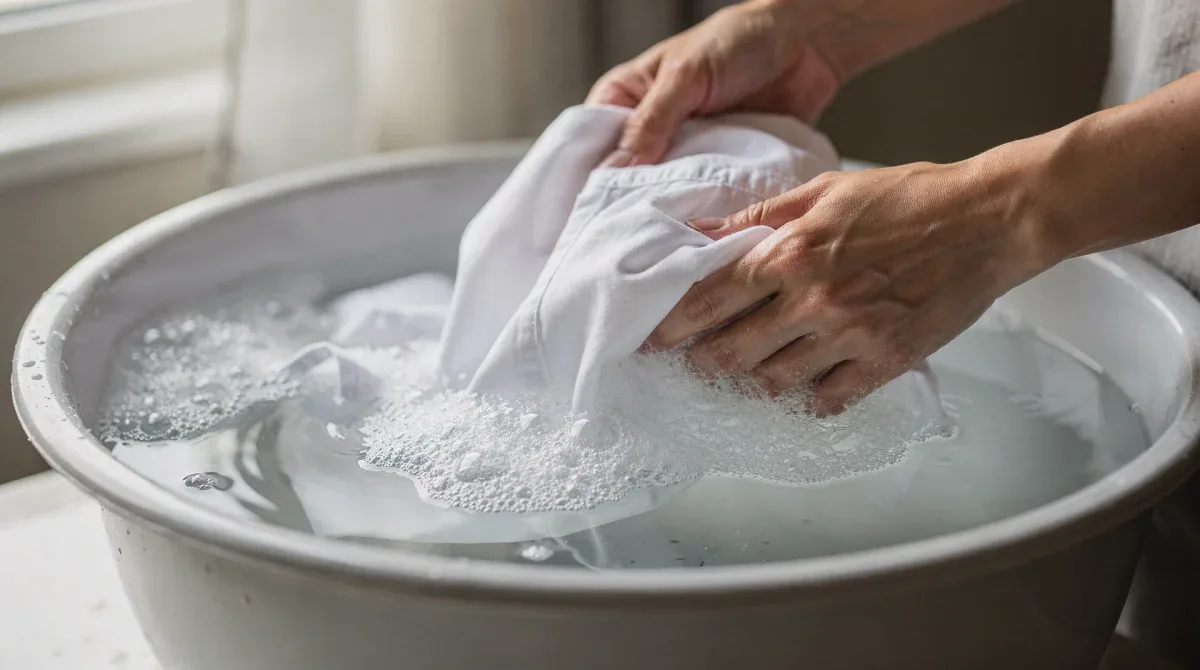
Opt for mild, pH-neutral detergents, ideally those formulated for delicate fabrics or cold water washing. These detergents clean effectively without being aggressive, protecting both the fabric and its dyes. When it comes to additives, consider natural alternatives like white vinegar for softening and odor removal, instead of chemical fabric softeners that can leave residue and reduce absorbency over time.
Detergent choices for cotton longevity
- Mild, enzyme-based detergents: These are effective at breaking down stains without being harsh on fabric fibers. Look for labels indicating 'color-safe' or 'delicate.'
- Avoid excessive detergent: Using too much detergent can leave residue on clothes, making them stiff and attracting more dirt. Always follow the manufacturer's recommendations.
- Bleach alternatives: For whites, consider oxygen-based bleaches or natural brighteners instead of chlorine bleach, which can weaken cotton fibers and cause yellowing over time.
- Natural softeners: White vinegar in the rinse cycle can naturally soften fabrics, remove detergent residue, and act as a mild deodorizer without the chemical buildup of conventional fabric softeners.
By making conscious choices about your laundry products, you actively contribute to the health of your cotton garments. This habit of selecting appropriate detergents and additives is fundamental to gentle fabric maintenance, ensuring your clothes remain soft, vibrant, and durable for many washes to come. It's an investment in the quality and longevity of your wardrobe.
Habit 4: the art of drying for durability
How you dry your cotton garments is just as critical as how you wash them when it comes to gentle fabric maintenance. High heat from tumble dryers is a major culprit for shrinkage, weakening of fibers, and accelerated fading. The harsh tumbling action can also contribute to pilling and distort the shape of garments, especially those with delicate weaves.
Air drying is by far the gentlest method for cotton. It allows fibers to relax naturally, preserves the integrity of the fabric, and prevents the damage associated with mechanical drying. While it requires a bit more time and space, the benefits for your clothes' longevity and appearance are immense. If air drying isn't always feasible, using the lowest heat setting on your dryer and removing items while still slightly damp can minimize harm.
Optimal drying techniques
- Air drying: Hang cotton shirts on padded hangers to maintain their shape. Lay sweaters flat on a clean, dry surface to prevent stretching. Dry pants and skirts from the waistband.
- Avoid direct sunlight: While natural light is good, prolonged exposure to direct sunlight can cause colors to fade, especially dark and bright hues. Dry in a shaded area or indoors if possible.
- Low heat tumble dry: If using a dryer, select the lowest heat setting or an 'air fluff' option. Remove clothes promptly to prevent wrinkles and over-drying.
- Shake out garments: Before drying, gently shake out each item to remove excess water and help relax fibers, which can reduce wrinkles.
Mastering the art of drying is an essential component of gentle fabric maintenance. By minimizing exposure to high heat and harsh mechanical action, you protect your cotton garments from unnecessary stress, helping them retain their original shape, size, and color. This habit directly contributes to the goal of keeping your everyday cottons vibrant for over 24 months. 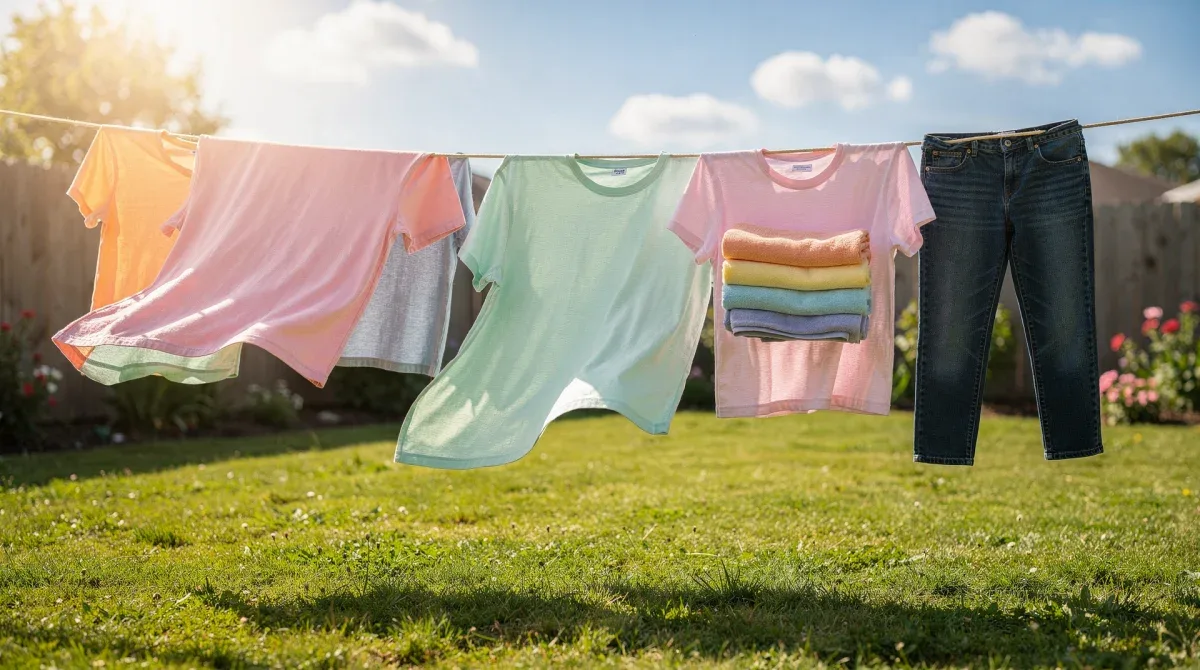
Habit 5: mindful storage and stain prevention
Beyond washing and drying, how you store your cotton clothes and your approach to stain prevention significantly impact their overall longevity and appearance. Proper storage prevents wrinkles, stretching, and exposure to elements that can degrade fabric over time. Similarly, acting quickly on stains can save a garment from permanent damage, extending its life as a vibrant part of your wardrobe.
Storing clothes neatly, whether folded or hung, maintains their shape and reduces the need for frequent ironing, which can put stress on fibers. Protecting them from dust and pests is also crucial. For stains, immediate action is key. The longer a stain sits, the harder it is to remove, often requiring harsher treatments that can damage the fabric. Gentle, targeted stain removal is a cornerstone of effective gentle cotton maintenance.
Best practices for storage and stain care
- Folding vs. hanging: Fold knit cotton items (sweaters, t-shirts) to prevent stretching. Hang woven cottons (shirts, dresses) on appropriate hangers to maintain their structure.
- Clean and dry storage: Ensure clothes are completely clean and dry before storing them to prevent mildew and odors. Store them in a cool, dry place away from direct sunlight.
- Stain immediate action: Blot fresh stains gently with a clean cloth, working from the outside in. Avoid rubbing, which can spread the stain and push it deeper into the fibers.
- Targeted stain removers: Use specific stain removers designed for the type of stain and fabric. Always test on an inconspicuous area first. For common stains, a paste of baking soda and water or a diluted white vinegar solution can be effective gentle alternatives.
These mindful habits of storage and stain prevention are the final, yet equally important, pieces of the puzzle in gentle fabric maintenance. By protecting your clothes when they're not being worn and addressing spills promptly and gently, you ensure that your cotton garments not only last longer but also consistently look their best, reflecting a well-cared-for wardrobe.
Beyond the basics: advanced tips for cotton longevity
While the five core habits provide a solid foundation for gentle cotton maintenance, there are additional, more advanced tips that can further enhance the lifespan and appearance of your everyday cotton garments. These practices delve deeper into specific care scenarios and offer nuanced approaches to common challenges, ensuring your efforts yield maximum results.
For instance, understanding when to pre-treat stains, how to deal with specific fabric blends, or even the benefits of garment bags for seasonal storage can elevate your fabric care routine. These advanced strategies are not about adding complexity but about refining your methods to address the unique needs of different cotton items in your wardrobe, moving from general care to truly optimized maintenance.
Specialized care for delicate cottons
- Hand washing delicates: For very delicate cotton items, hand washing in cool water with a mild detergent is often the safest bet. Gently swish the item, avoid twisting or scrubbing, and rinse thoroughly.
- Dealing with pilling: Pilling, those small balls of fiber on the fabric surface, can be carefully removed with a fabric shaver or a lint brush designed for this purpose. This rejuvenates the garment's appearance.
- Ironing smart: If ironing is necessary, use a low to medium heat setting, iron cotton while still slightly damp, and use a pressing cloth to protect darker colors from developing shine. Iron inside out to prevent surface damage.
- Seasonal storage: For cotton items stored for extended periods, ensure they are thoroughly clean and dry. Store them in breathable garment bags or acid-free tissue paper to protect against dust, light, and pests. Avoid plastic bags, which can trap moisture.
Incorporating these advanced tips into your gentle fabric maintenance routine allows for a more comprehensive and tailored approach to caring for your cotton wardrobe. By paying attention to these details, you not only extend the life of your garments but also maintain their aesthetic appeal, ensuring they remain cherished pieces in your everyday style for many years.
| Key Habit | Benefit for Cotton |
|---|---|
| Smart Sorting | Prevents color bleeding and fabric damage. |
| Cold Wash/Gentle Cycle | Reduces fading, shrinkage, and fiber stress. |
| Right Detergents | Protects fabric integrity and color vibrancy. |
| Air Drying | Prevents heat damage, shrinkage, and maintains shape. |
Frequently asked questions about cotton care
Why is cold water better for washing cotton?▼Cold water helps prevent cotton garments from shrinking, fading, and losing their shape. It's gentler on the fibers, preserving their integrity and color vibrancy over time, while also being more energy-efficient than hot water washes.
Can I use fabric softener on all cotton items?▼While fabric softener can make some cotton items feel softer, it can also reduce absorbency in towels and athletic wear, and may leave residue on certain fabrics. Consider using white vinegar as a natural, residue-free alternative in the rinse cycle for softening.
How can I prevent my cotton clothes from pilling?▼Pilling is often caused by friction. To prevent it, wash cotton items inside out on a gentle cycle, avoid overloading the washing machine, and separate heavy items from delicate ones during sorting. Air drying also helps reduce pilling.
Is air drying always better than tumble drying for cotton?▼Yes, air drying is generally superior for cotton as it prevents heat damage, shrinkage, and fiber degradation that can occur in tumble dryers. It helps maintain the garment's original shape and extends its lifespan significantly compared to high-heat machine drying.
What's the best way to remove a fresh stain from cotton?▼For fresh stains, blot immediately with a clean cloth, working from the outside of the stain inwards to prevent spreading. Avoid rubbing. Use a targeted stain remover or a gentle natural solution like diluted white vinegar, testing it on an inconspicuous area first.
Conclusion
Embracing these five simple yet powerful habits for gentle cotton maintenance is more than just a laundry routine; it's an investment in the longevity and vibrancy of your wardrobe. From smart sorting and cold water washing to mindful drying and proper storage, each step plays a crucial role in preserving the quality of your everyday cotton garments. By integrating these practices into your lifestyle, you'll not only extend the life of your favorite clothes for well over 24 months but also contribute to a more sustainable approach to fashion, enjoying your cotton pieces as they retain their softness, shape, and brilliant colors for years to come.
