Solving Midday Outfit Fatigue: Layering for 70-Degree Climates
Effectively solve midday outfit fatigue by adopting four strategic, breathable layering formulas designed for consistent comfort and style in indoor 70-degree environments, ensuring adaptability throughout your day.
Have you ever experienced that familiar slump around lunchtime, where your meticulously planned morning outfit suddenly feels all wrong? This phenomenon, often dubbed midday outfit fatigue, is particularly prevalent in indoor environments where temperatures hover around a consistent 70 degrees. It’s a challenge many face, but with the right strategies, you can maintain comfort and confidence from morning commute to evening plans.
Understanding the 70-Degree Indoor Climate Challenge
The seemingly innocuous 70-degree indoor climate presents a unique sartorial dilemma. It's warm enough to feel stuffy in heavy fabrics, yet cool enough for a single, thin layer to leave you feeling chilly near an air vent or in a cooler corner. The key to conquering this climate is understanding how different fabrics and layering techniques interact with your body temperature and the ambient environment.
Many offices and public buildings are set to this temperature for energy efficiency and general comfort, but individual perceptions of comfort can vary greatly. What feels perfectly fine to one person might be too warm or too cool for another. This variability makes a one-size-all approach to dressing impractical, emphasizing the need for adaptable solutions.
The Science of Comfort: Fabric Choices
Selecting the right fabrics is paramount when dealing with fluctuating personal comfort levels in a stable environment. Natural fibers and specific blends offer superior breathability and moisture-wicking properties, crucial for avoiding that clammy feeling that often accompanies midday discomfort.
- Cotton: A classic for a reason, cotton is breathable, soft, and absorbs moisture well, making it ideal for base layers or light shirts.
- Linen: Known for its crisp texture and excellent breathability, linen is perfect for warm conditions, allowing air to circulate freely.
- Modal/Tencel: These semi-synthetic fibers, derived from wood pulp, are incredibly soft, drape beautifully, and offer excellent moisture management.
- Lightweight Wool: Merino wool, in particular, regulates temperature effectively, keeping you cool when it's warm and warm when it's cool, without bulk.
Understanding the properties of these materials empowers you to build a wardrobe that actively works with you, rather than against you, throughout the day. Opting for blends that combine the best attributes of two or more fibers can also provide enhanced performance and comfort.
Ultimately, addressing the 70-degree indoor climate challenge boils down to thoughtful preparation and an understanding of how textiles function. By prioritizing breathable fabrics and versatile layering, you can ensure your comfort and style remain uncompromised, effectively eliminating midday outfit fatigue. This foundational knowledge sets the stage for exploring specific layering formulas that translate theory into practical, everyday solutions.
Formula 1: The Versatile Base + Lightweight Cardigan
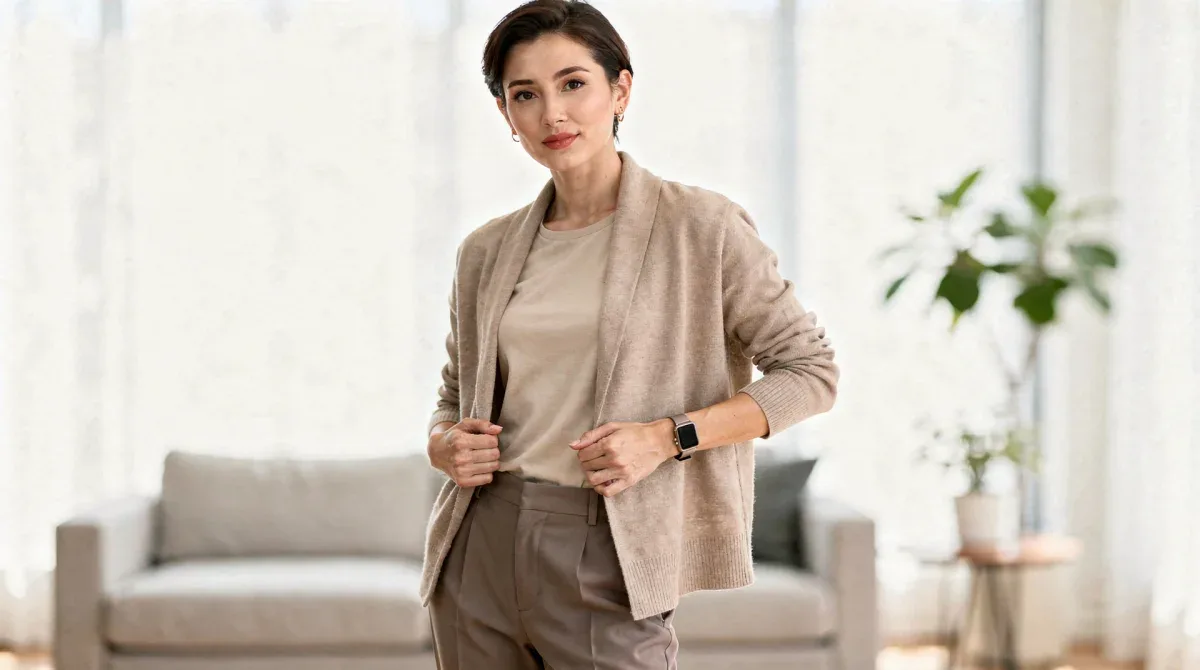
This is arguably the most classic and universally effective layering strategy for fluctuating indoor temperatures. The core idea is to start with a comfortable, breathable base layer that can stand alone, and then add a lightweight cardigan that can be easily removed or put back on as needed. This formula provides maximum flexibility without sacrificing professionalism or style.

The success of this formula hinges on the quality and material of both components. A poor-quality base layer can lead to discomfort, while a bulky cardigan might defeat the purpose of easy adjustment. The goal is seamless transitions between feeling slightly warm and slightly cool, allowing you to maintain optimal personal comfort.
Choosing Your Base Layer Wisely
For the base layer, think simplicity and breathability. A well-fitting t-shirt, camisole, or short-sleeved blouse made from cotton, modal, or a silk blend is ideal. The color should be neutral or complement your cardigan, ensuring cohesion when the cardigan is off. Avoid anything too tight or too loose, as this can create uncomfortable bunching under your outer layer.
Consider the neckline of your base layer as well. A scoop neck or V-neck can offer a slightly more open feel, while a crew neck provides a classic, understated look. The choice depends on your personal style and the overall aesthetic you're aiming for. Remember, this piece needs to look polished on its own.
The Art of the Lightweight Cardigan
The cardigan is your primary temperature regulator. Look for materials like fine-gauge merino wool, cashmere, cotton blends, or a lightweight knit. The key is that it should be easy to drape over a chair or fold neatly into a bag without wrinkling excessively. A longer length can add elegance, while a cropped style can be more casual.
- Fabric: Opt for merino wool, cashmere, or soft cotton blends.
- Fit: A relaxed but not oversized fit allows for comfortable movement.
- Color: Neutrals (black, gray, navy, beige) are versatile, but a pop of color can add personality.
- Details: Minimalistic designs are best for adaptability across various outfits.
This layering formula is particularly effective because it’s effortless to execute and suitable for a wide range of professional and casual settings. It allows you to feel put-together regardless of whether the air conditioning suddenly kicks in or the afternoon sun streams through the window. It's a reliable choice for anyone battling midday outfit fatigue.
Formula 2: The Structured Vest or Sleeveless Blazer
For those seeking a more polished and modern approach to layering, the structured vest or sleeveless blazer offers an excellent alternative. This formula provides an extra layer of warmth and sophistication without the commitment of full sleeves, making it perfect for 70-degree indoor climates where you want to look sharp but remain comfortable.
This option adds a tailored element to your outfit, elevating even the simplest base layer. It's a smart choice for professional environments or any setting where you want to project a refined image while maintaining the ability to adapt to temperature changes. The sleeveless nature ensures your arms remain free and unencumbered.
Pairing with a Crisp Blouse or Thin Knit
The ideal base for a structured vest or sleeveless blazer is a crisp, long-sleeved blouse or a thin, fitted knit top. The contrast between the structured outer layer and a softer, often lighter, inner layer creates visual interest and ensures comfort. Materials like silk, rayon, or a fine cotton shirting work wonderfully for blouses.
If opting for a knit, choose a lightweight merino or a soft cotton blend that isn't too bulky. The sleeves of your base layer should be able to move freely under the vest or blazer, preventing any feeling of restriction. This combination allows for a sleek silhouette that's both professional and practical.
The Power of the Sleeveless Outer Layer
A structured vest or sleeveless blazer instantly adds a layer of formality and style without the heat accumulation of a full blazer. Look for pieces in classic tailoring fabrics like wool blends, linen blends, or even a well-structured ponte knit. The fit should be precise, creating a clean line over your chosen base.
- Material: Wool blends, linen blends, or ponte for structure and breathability.
- Fit: Tailored to provide shape without being restrictive.
- Length: Hip-length or slightly longer can elongate the silhouette.
- Color: Classic neutrals or subtle patterns for versatility.
This formula is particularly adept at combating midday outfit fatigue by offering a sophisticated solution that remains breathable. It allows you to feel dressed up and professional, even if you need to remove the sleeveless layer to cool down. The visual appeal of a structured vest or sleeveless blazer also contributes to a feeling of being well put-together throughout the day.
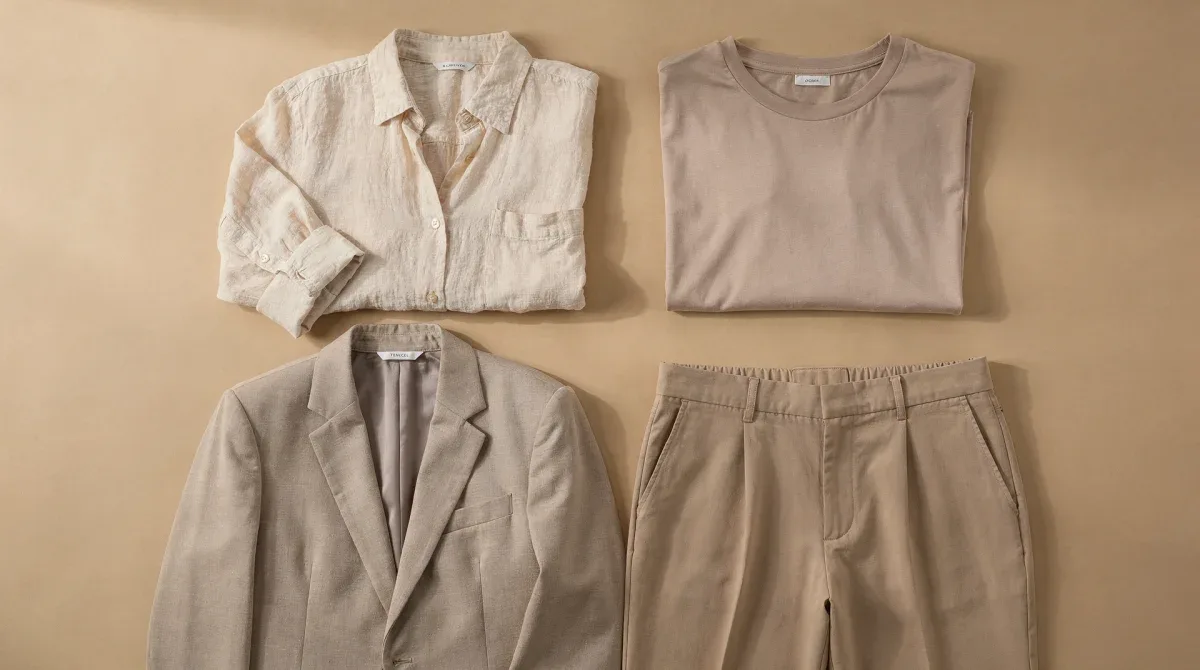
Formula 3: The Light Jacket or Blazer + Tee Combination
For a slightly more casual yet still polished approach, pairing a light jacket or blazer with a high-quality tee offers a fantastic solution to midday outfit fatigue. This combination strikes a balance between laid-back comfort and smart-casual professionalism, making it ideal for creative workplaces, casual Fridays, or even elevated weekend wear in a 70-degree indoor setting.
The success of this formula lies in the juxtaposition of a relaxed base with a more structured outer layer. It allows for easy temperature regulation while maintaining a cohesive and stylish look. The "jacket" here isn't necessarily a heavy coat but rather a lighter, more adaptable piece.
Elevating Your Everyday Tee
Forget flimsy, worn-out t-shirts. For this formula, invest in high-quality tees made from premium materials like Pima cotton, Supima cotton, modal, or a silk blend. The tee should have a good drape, maintain its shape, and feel substantial enough to look intentional rather than an afterthought. A crew neck or a subtle V-neck works best.
Consider neutral colors like white, black, navy, or heather gray for maximum versatility. These colors serve as a clean canvas for your jacket or blazer. The goal is for the tee to be comfortable enough to wear all day on its own, but also refined enough to complement a more formal outer layer.
Selecting the Perfect Light Jacket or Blazer
The outer layer in this formula is key to adding structure and warmth. Look for unlined blazers, linen blazers, cotton blazers, or even a chic denim jacket (if appropriate for your environment). The material should be breathable and not too heavy, allowing you to wear it comfortably indoors without overheating.
- Unlined Blazer: Offers the structure of a blazer without the added warmth of a lining.
- Linen or Cotton Blazer: Naturally breathable and lightweight for warmer conditions.
- Chambray or Lightweight Denim Jacket: Adds a casual yet stylish edge.
- Soft Knit Blazer: Provides comfort and a relaxed formality.
This combination is excellent for those who appreciate a more relaxed aesthetic but still need to appear put-together. It’s incredibly adaptable: remove the jacket, and you’re in a comfortable tee; put it back on, and you’re instantly more polished. This flexibility is crucial for avoiding that dreaded midday outfit fatigue, allowing you to adjust your look and comfort level with ease.
Formula 4: The Maxi Dress or Skirt + Button-Down Shirt Overlay
For a feminine yet highly functional approach to navigating 70-degree indoor climates, consider pairing a maxi dress or a long skirt with a lightweight, unbuttoned button-down shirt. This formula offers an elegant silhouette while providing essential layering for temperature control, making it a stylish solution to midday outfit fatigue.
This strategy is particularly effective because it leverages the inherent breathability and flow of dresses and skirts, allowing for excellent air circulation. The button-down shirt acts as a versatile outer layer, easily added or removed, and can even be tied at the waist for a different look when not needed for warmth.
Choosing Your Flowing Base
Select a maxi dress or a long skirt made from breathable fabrics such as cotton, linen, rayon, or Tencel. The dress or skirt should be comfortable and allow for ease of movement. Solid colors or subtle prints work best, as they provide a versatile foundation for your button-down overlay.
Consider the cut and style of your base. A slip dress, an A-line maxi skirt, or a tiered dress can all work beautifully. The key is to choose something that feels good against your skin and doesn't cling, ensuring maximum comfort throughout the day. This base layer should be able to stand alone if the room gets warm enough.
The Unbuttoned Button-Down as a Layer
The button-down shirt acts as a light jacket or cardigan in this formula. Opt for lightweight materials like linen, chambray, soft cotton, or even a sheer silk blend. The shirt should be slightly oversized or relaxed in fit to allow for comfortable layering over your dress or skirt without feeling bulky.
- Fabric: Linen, chambray, soft cotton, or lightweight rayon for breathability.
- Fit: Relaxed or slightly oversized for comfortable overlay.
- Versatility: Can be worn open, partially buttoned, or tied at the waist.
- Color/Pattern: Complementary to your dress/skirt, or a classic white/blue for contrast.
This layering strategy is not only practical but also inherently chic. It allows you to play with proportions and textures, creating an interesting and dynamic outfit. The ability to easily shed or add the button-down shirt means you can adapt to any shifts in the indoor temperature, effectively bypassing the discomfort that leads to midday outfit fatigue. It's a fresh and fashionable way to maintain comfort and style.
Accessorizing for Adaptability and Style
Beyond the core layering formulas, smart accessorizing plays a pivotal role in both enhancing your style and providing additional avenues for temperature regulation. Accessories aren't just decorative; they can be highly functional tools in your battle against midday outfit fatigue in a 70-degree indoor climate. The right accessories can add personality to your look while also offering practical benefits.
Consider how each accessory contributes to the overall functionality and aesthetic of your outfit. Small adjustments can make a big difference in how comfortable and confident you feel throughout your day. It’s about creating a cohesive look that is both fashionable and adaptable.
Scarves: The Ultimate Versatile Accessory
A lightweight scarf is perhaps the most underrated accessory for temperature control. A silk, cotton, or modal scarf can be worn around your neck for extra warmth, draped over your shoulders like a mini-shawl, or even tied to your bag for a pop of color when not in use. It's a small item that offers significant versatility.
Scarves come in an endless array of colors and patterns, allowing you to inject personal style into even the most basic outfit. They can transform a simple tee and blazer into a more sophisticated ensemble, or add a touch of bohemian flair to a dress. Their adaptability makes them an essential item for any 70-degree climate strategy.
Jewelry and Belts: Adding Polish and Definition
While not directly for temperature regulation, jewelry and belts are crucial for completing an outfit and making it feel intentional. A well-chosen necklace or a pair of earrings can elevate a simple layered look, drawing attention to your face. A belt can define your waist, adding structure to an otherwise flowing silhouette.
- Statement Necklace: Can elevate a simple base layer like a tee or blouse.
- Delicate Jewelry: Adds subtle sparkle without overpowering the outfit.
- Belts: Defines the waist, especially when layering with longer pieces or dresses.
- Watches: A classic accessory that adds a touch of sophistication.
By thoughtfully incorporating these accessories, you not only enhance the visual appeal of your outfit but also reinforce the idea of a well-considered ensemble. This attention to detail can significantly boost your confidence, helping to ward off that feeling of midday outfit fatigue. It's about feeling good from head to toe, knowing that every element of your look is working for you.
Maintenance and Care for Layered Wardrobes
Maintaining a wardrobe designed for strategic layering in 70-degree indoor climates goes beyond just choosing the right pieces; it also involves proper care and organization. Investing in high-quality, breathable fabrics means investing in their longevity, ensuring your layering formulas remain effective and stylish season after season. Good maintenance practices will keep your clothes looking fresh and performing at their best, preventing premature wear and tear.
Proper care also contributes to the comfort factor. Soft, well-maintained fabrics feel better against the skin, which is crucial when your goal is to avoid discomfort and midday outfit fatigue. Neglecting care can lead to stiff, scratchy, or ill-fitting garments, undermining all your efforts to dress comfortably.
Fabric-Specific Care Tips
Different fabrics require different care routines to maintain their integrity and performance. Understanding these nuances is key to preserving your layered pieces.
- Cotton and Linen: Generally machine washable on a gentle cycle with cold water. Tumble dry low or air dry to prevent shrinkage and preserve shape. Ironing may be required for a crisp look.
- Modal and Tencel: Wash on a delicate cycle with cold water. Air dry flat to prevent stretching. These fibers are less prone to wrinkling.
- Merino Wool and Cashmere: Hand wash in cold water with a gentle wool-specific detergent, or dry clean. Lay flat to dry to prevent stretching and maintain shape. Avoid hanging wet wool.
- Silk: Hand wash in cold water with a mild detergent or dry clean. Air dry away from direct sunlight. Iron on a low setting on the reverse side.
Always check the care label on each garment, as blends may have specific instructions. Following these guidelines will extend the life of your clothes and ensure they continue to provide the comfort and style you rely on for your layering needs. Proper storage also plays a role in garment longevity.
Organizing Your Layering Essentials
An organized wardrobe makes it easier to implement your layering strategies. Keep your base layers, cardigans, vests, and light jackets easily accessible and visible. Consider using drawer dividers for smaller items like scarves and camisoles. Hangers designed for delicate fabrics can also prevent stretching and damage.
By taking the time to properly care for and organize your layered wardrobe, you ensure that your go-to pieces are always ready when you need them. This proactive approach not only saves time but also reinforces the effectiveness of your layering strategy, allowing you to confidently tackle the 70-degree indoor climate without succumbing to midday outfit fatigue. A well-maintained wardrobe is a happy wardrobe, and a happy wardrobe contributes to a confident you.
| Key Layering Strategy | Brief Description |
|---|---|
| Base + Cardigan | Simple, breathable base with an easily removable lightweight cardigan for adjustable comfort. |
| Sleeveless Blazer | Adds structure and professionalism without full sleeves, paired with a crisp blouse or thin knit. |
| Light Jacket + Tee | Casual yet polished, combining a high-quality tee with an unlined or lightweight blazer/jacket. |
| Maxi + Button-Down | Elegant and functional, a flowing dress or skirt with an open, lightweight button-down shirt overlay. |
Frequently Asked Questions About Layering for 70-Degree Climates
What are the best fabrics for layering in a 70-degree indoor climate?▼The best fabrics include natural and semi-synthetic breathable options like cotton, linen, modal, Tencel, and fine-gauge merino wool. These materials excel at moisture-wicking and temperature regulation, ensuring comfort without overheating or feeling too cool when the AC kicks in unexpectedly.
How can I avoid looking bulky when layering?▼To avoid bulk, focus on thin, well-fitting base layers and lightweight outer pieces. Opt for unlined blazers, fine-gauge knits, and materials that drape well. Strategic layering means each piece adds function without unnecessary volume, maintaining a sleek silhouette.
Can I wear a dress and still layer effectively?▼Absolutely! A maxi or midi dress made from breathable fabric can be an excellent base. Layer it with a lightweight, unbuttoned button-down shirt, a sleeveless blazer, or a fine-gauge cardigan. This combination offers elegance and adaptability, perfect for varying indoor temperatures.
What is midday outfit fatigue and how do these formulas help?▼Midday outfit fatigue is the discomfort or dissatisfaction with your attire as indoor temperatures fluctuate throughout the day. These layering formulas provide adaptability, allowing you to easily add or remove pieces to match your comfort level, preventing that 'all wrong' feeling.
Are these layering tips suitable for both casual and professional settings?▼Yes, the formulas are designed with versatility in mind. By adjusting the formality of your base layers and outer pieces (e.g., a silk blouse vs. a cotton tee), you can adapt these strategies for anything from a corporate office to a casual creative workspace, ensuring appropriate style and comfort.
Conclusion
Conquering midday outfit fatigue in the ubiquitous 70-degree indoor climate is entirely achievable with a thoughtful approach to layering. By embracing breathable fabrics and strategic combinations like the versatile base + lightweight cardigan, the structured vest, the light jacket + tee, or the elegant maxi dress + button-down shirt overlay, you empower yourself with adaptability. These formulas not only ensure comfort throughout your day but also elevate your style, allowing you to maintain confidence and professionalism from morning to evening. Remember, smart layering is about more than just clothes; it's about feeling good, staying productive, and expressing your personal style without compromise, no matter the indoor temperature.
