Relaxed Tailoring Essentials: 5 Proportional Adjustments
Mastering relaxed tailoring essentials involves understanding five key proportional adjustments—shoulder fit, sleeve length, jacket length, trouser break, and waist fit—to achieve a contemporary, comfortable, and effortlessly elegant look for daily wear.
Embracing relaxed tailoring essentials is more than just a trend; it's a fundamental shift towards comfort and effortless elegance in daily wear. This guide will explore five crucial proportional adjustments that redefine how tailored pieces fit, move, and integrate into your contemporary wardrobe, allowing you to achieve a sophisticated yet relaxed aesthetic.
The evolving landscape of tailored menswear
The world of menswear has undergone a significant transformation, moving away from rigid, constricting silhouettes towards a more fluid and comfortable approach. This shift is particularly evident in tailoring, where the focus is now on garments that offer ease of movement without sacrificing sophistication. Understanding this evolution is key to appreciating the nuances of relaxed tailoring.
For decades, traditional tailoring emphasized a very structured, form-fitting aesthetic, often associated with formal business environments. However, as lifestyles became more dynamic and dress codes relaxed, there was a growing demand for clothing that could transition seamlessly from professional settings to casual social gatherings. This desire for versatility paved the way for relaxed tailoring, which reinterprets classic garments like blazers, trousers, and suits with a softer touch.
From stiff suits to fluid fabrics
One of the most defining characteristics of this evolution is the choice of fabrics. While traditional tailoring often relied on heavy wools and stiff canvases, modern relaxed tailoring embraces lighter, more breathable materials. Think linen blends, soft cottons, Tencel, and even finely woven merino wools that drape beautifully rather than hold a rigid shape.
- Linen and cotton: Ideal for warm weather, offering breathability and a natural, slightly crinkled texture that enhances the relaxed vibe.
- Tencel and cupro: Sustainable options known for their silky feel and excellent drape, perfect for fluid trousers and unlined jackets.
- Soft wool blends: Provide structure without stiffness, allowing garments to move with the body and resist excessive creasing.
The construction methods have also adapted, with many relaxed tailored pieces featuring unlined or half-lined jackets, softer shoulder pads (or none at all), and less internal canvassing. These changes contribute to a garment that feels less like armor and more like a second skin, enhancing comfort for daily wear. This foundational understanding sets the stage for delving into the specific proportional adjustments that define truly effective relaxed tailoring.

Proportional adjustment 1: the redefined shoulder fit
The shoulder fit is arguably the most critical element in achieving a relaxed yet polished tailored look. Unlike traditional tailoring where a shoulder pad precisely meets the edge of your natural shoulder, relaxed tailoring allows for a softer, slightly extended line. This adjustment creates a more comfortable feel and contributes to an overall softer silhouette.
When assessing a relaxed tailored jacket or blazer, the shoulder seam should ideally sit just beyond your natural shoulder bone. This slight extension, often paired with minimal or no padding, allows the fabric to drape naturally over your arm and chest, avoiding the restrictive feeling of a tight fit. It's about creating a gentle slope rather than a sharp, angular line. This subtle difference makes a profound impact on the garment's overall comfort and aesthetic.
Understanding the relaxed shoulder line
A well-executed relaxed shoulder fit prevents any pulling or creasing across the back, which is a common issue with ill-fitting traditional jackets. It also ensures that the armhole isn't too tight, allowing for greater freedom of movement. The goal is to create a sense of effortlessness, as if the jacket simply floats on your frame. This can be achieved through various design choices:
- Natural shoulders: Jackets with very little or no padding, allowing the fabric to follow your body's natural contours.
- Soft construction: Unlined or half-lined jackets that use lighter interlinings, contributing to a less structured shoulder.
- Slightly dropped shoulder: In some very contemporary designs, the shoulder seam might intentionally sit a bit lower, emphasizing an oversized, nonchalant aesthetic, though this requires careful balancing with other proportions.
The beauty of this redefined shoulder fit lies in its versatility. It makes a blazer feel less formal and more like a sophisticated cardigan, perfect for layering over t-shirts, knitwear, or even a casual button-down shirt. Pay close attention to how the fabric falls from the shoulder; it should be smooth and unbroken, indicating a harmonious fit that is both comfortable and stylish.
Proportional adjustment 2: the modern sleeve length
Sleeve length in relaxed tailoring moves away from the rigid rule of precisely exposing a quarter-inch of shirt cuff. Instead, it embraces a slightly longer, more fluid approach that complements the overall relaxed silhouette. The aim is to create a sense of ease, allowing the garment to feel less formal and more integrated into a casual, contemporary wardrobe.
For a relaxed tailored jacket or blazer, the sleeve should ideally end just at the top of your hand, covering the wrist bone and sometimes even slightly touching the base of your thumb. This slight extension contributes to the softer, less structured aesthetic, preventing the sleeves from looking too short or "shrunken," which can happen with overly tailored pieces. It provides a comfortable drape that aligns with the overall relaxed vibe of the garment.
Balancing sleeve length with jacket style
While a slightly longer sleeve is characteristic, it's crucial to avoid excessive length that would cause the fabric to bunch up significantly or completely obscure your hands. The elegance of relaxed tailoring still hinges on good proportion. The ideal length allows for a natural fall, whether your arms are at your sides or slightly bent. This adjustment is particularly noticeable when wearing the jacket over a t-shirt or a fine-gauge knit, where there isn't a shirt cuff to consider.
- Unlined jackets: Often have sleeves that are designed to be slightly longer, enhancing their casual appeal.
- Soft fabrics: Materials that drape well will naturally fall into a pleasing length without looking messy.
- Personal preference: While guidelines exist, a small degree of personal preference can be applied, ensuring the length feels comfortable and looks natural on your specific frame.
This modern sleeve length works in harmony with the softer shoulder, contributing to a silhouette that is both comfortable and stylish. It allows the garment to feel less like formal wear and more like an elevated everyday piece, perfectly suited for a variety of casual and smart-casual occasions. Experiment with different lengths to find what feels most natural and looks most harmonious on you.
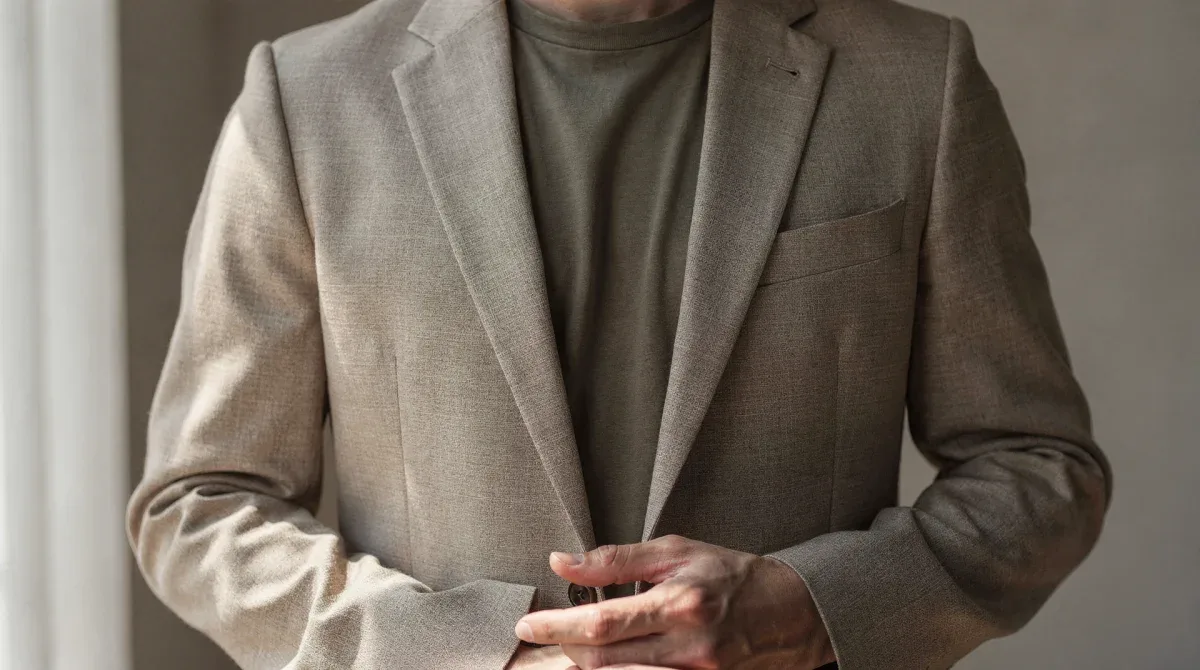
Proportional adjustment 3: the relaxed jacket length
The length of a tailored jacket or blazer is another crucial element that distinguishes relaxed tailoring from its more traditional counterparts. While classic suits often feature jackets that end around the crotch point, relaxed tailoring often opts for a slightly longer, more generous cut. This adjustment contributes to the overall fluid and comfortable aesthetic, creating a garment that feels less formal and more versatile for daily wear.
In relaxed tailoring, a jacket might extend a couple of inches past the crotch, sometimes even reaching the mid-thigh, depending on the specific style and desired effect. This added length enhances the drape of the fabric and creates a more elongated silhouette. It also allows the jacket to be worn more easily as an outer layer, perhaps over a chunky knit or a hoodie, without looking out of place. The key is to achieve a balance where the jacket feels substantial without overwhelming the wearer's frame.
Achieving balance with extended length
When considering a longer jacket, it's important to ensure that the proportions remain harmonious with the rest of your outfit. A longer jacket pairs particularly well with wider-leg trousers or straight-cut jeans, maintaining a balanced silhouette. If the jacket is too long for your height, it can make your legs appear shorter, so finding the right balance is essential. The extended length also contributes to the relaxed feel, as it allows for more movement and less restriction.
- Unstructured designs: Often feature a longer cut, complementing their soft construction and fluid fabrics.
- Layering potential: The extra length makes these jackets ideal for layering over various garments, from t-shirts to light sweaters.
- Modern aesthetic: A slightly longer jacket is a hallmark of contemporary fashion, signaling a departure from conventional formality.
The relaxed jacket length is about embracing a more contemporary vision of tailoring, one that prioritizes comfort and versatility. It allows the jacket to feel less like a rigid uniform piece and more like a stylish, adaptable garment that can be dressed up or down with ease. When trying on different jackets, pay attention to how the length interacts with your body and the rest of your intended outfit, ensuring it contributes to a cohesive and effortless look.
Proportional adjustment 4: the modern trouser break
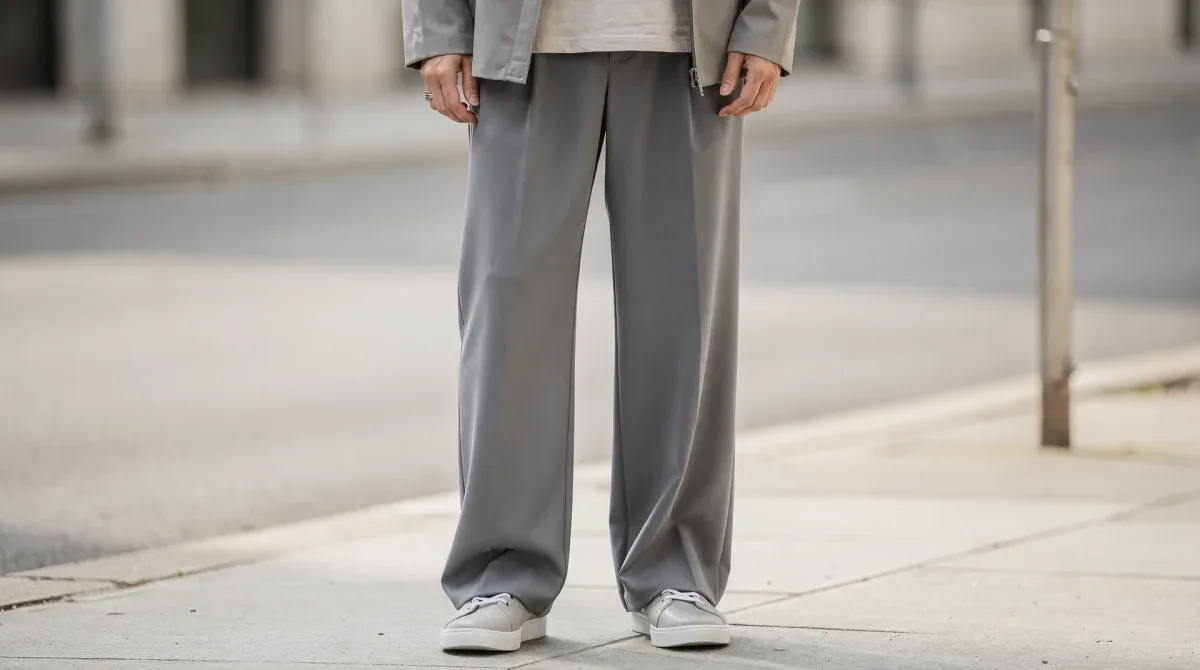
The trouser break, referring to how the fabric creases or folds at the bottom of the pant leg when it meets the shoe, is a key indicator of modern tailored style. In relaxed tailoring, the approach to the trouser break is more forgiving and varied than in traditional suiting, where a precise full or half-break was often mandated. Contemporary daily wear embraces everything from a subtle kiss to a full stack, depending on the desired aesthetic and the trouser's cut.
For a truly relaxed look, many opt for a minimal break or even a no-break style, where the hem just skims the top of the shoe. This creates a clean, elongated line that works particularly well with wider or straight-leg trousers, preventing any visual clutter. Alternatively, a slight stack, where the fabric gently bunches at the ankle, can enhance the casual, nonchalant vibe, especially with softer fabrics like linen or cotton blends.
Trouser break variations for contemporary style
The choice of trouser break is also heavily influenced by the type of footwear. A clean no-break look pairs excellently with sleek loafers or minimalist sneakers, while a slight stack can complement chunkier boots or more casual footwear. The overall goal is to maintain a sense of fluidity and comfort, ensuring the trousers drape naturally without feeling too short or too long.
- No break: The hem barely touches the shoe, creating a very clean, contemporary silhouette. Ideal for showcasing footwear.
- Slight break/kiss: A single, subtle crease at the front, offering a classic yet relaxed appearance.
- Full stack: The fabric pools slightly at the ankle, enhancing a very casual and fashion-forward aesthetic, often seen with wider-leg trousers.
Understanding these variations allows you to tailor your look to different occasions and personal preferences. The modern trouser break is about personal expression and comfort, moving away from rigid rules towards a more adaptable and stylish approach. Experiment with different breaks to discover what best complements your chosen trousers and shoes, creating a harmonious and effortlessly chic ensemble.
Proportional adjustment 5: the comfortable waist fit
The waist fit in relaxed tailoring is another area where comfort and ease take precedence over rigid formality. Gone are the days of trousers cinched uncomfortably tight at the waist. Contemporary daily wear embraces a more forgiving and often higher-waisted fit, allowing for greater comfort and a more flattering silhouette that complements the relaxed nature of the rest of the outfit.
For relaxed tailored trousers, the waist should sit comfortably, allowing enough room for movement without needing a belt to hold them up, though a belt can certainly be added for style. Many modern designs feature a higher rise, which elongates the leg line and provides a more comfortable fit around the midsection. This higher waist also works well with tucked-in shirts or t-shirts, creating a clean and polished look without feeling restrictive.
Embracing ease and versatility in waistlines
Beyond the traditional button and zipper, relaxed tailored trousers often incorporate features like elasticated waistbands, drawstrings, or side adjusters. These elements further enhance comfort and adaptability, allowing for a personalized fit throughout the day. The idea is to create trousers that feel as comfortable as loungewear but maintain the refined appearance of tailored garments. This blend of comfort and style makes them ideal for a variety of daily activities, from working at home to casual outings.
- Elasticated waistbands: Offer unparalleled comfort and flexibility, adapting to different body shapes and movements.
- Drawstrings: Provide an adjustable fit and contribute to a casual, sporty aesthetic when desired.
- Side adjusters: A more refined alternative to belts, offering a clean waistline without the bulk of a traditional belt.
The comfortable waist fit is instrumental in defining the overall relaxed aesthetic. It ensures that the trousers drape beautifully from the hips, creating a fluid and elegant line down to the ankle. When choosing relaxed tailored trousers, prioritize comfort and a fit that allows you to move freely, ensuring that your daily wear is both stylish and genuinely enjoyable. This adjustment solidifies the garment's role as a staple for modern, comfortable elegance.
Integrating relaxed tailoring into your daily wardrobe
Successfully integrating relaxed tailoring into your daily wardrobe goes beyond simply owning the right pieces; it's about understanding how to style them effectively to create cohesive and effortlessly chic ensembles. The beauty of relaxed tailoring lies in its versatility, allowing you to blend formal elements with casual ones, striking a perfect balance for contemporary life.
Start by pairing a soft-shouldered, unlined blazer with a high-quality t-shirt or a fine-gauge knit. This instantly elevates a casual top without making you feel overdressed. For the bottom half, opt for relaxed-fit trousers with a minimal or slight break, perhaps in a complementary color or texture. This combination offers a sophisticated yet approachable look suitable for a wide range of daily activities, from office work to weekend brunches.
Styling tips for effortless elegance
Don't shy away from mixing different textures and materials. A linen blazer paired with cotton trousers or a wool-blend jacket over silk-blend knitwear can add depth and interest to your outfit. Footwear choices are also crucial; swap out traditional dress shoes for sleek sneakers, loafers, or even well-maintained boots to maintain the relaxed vibe. The key is to avoid anything too rigid or overly formal, allowing the entire look to feel cohesive and comfortable.
- Layering: Use relaxed tailored pieces as versatile layers over casual basics like t-shirts, polo shirts, or light sweaters.
- Color palette: Stick to neutral tones (navies, grays, earth tones, whites) for foundational pieces, adding pops of color through accessories or inner layers.
- Accessorize smartly: A minimalist watch, a tasteful leather bag, or subtle jewelry can enhance the overall polish without adding unnecessary formality.
Ultimately, integrating relaxed tailoring is about personal expression and comfort. It encourages you to experiment with proportions, textures, and layering to create a look that feels authentic to you. By embracing these principles, you can build a wardrobe that is both sophisticated and perfectly suited for the demands of contemporary daily life, proving that style and comfort can indeed coexist harmoniously.
| Key Adjustment | Brief Description |
|---|---|
| Shoulder Fit | Slightly extended beyond natural shoulder for a soft, comfortable drape. |
| Sleeve Length | Ends at the top of the hand, covering the wrist bone, for a fluid look. |
| Jacket Length | Slightly longer, extending past the crotch for an elongated and relaxed silhouette. |
| Trouser Break | Ranges from no break to a slight stack, emphasizing fluidity and comfort. |
Frequently asked questions about relaxed tailoring
What is the main difference between relaxed and traditional tailoring?▼Relaxed tailoring prioritizes comfort and a softer silhouette with less structure, often featuring unlined jackets, softer shoulders, and looser fits. Traditional tailoring, conversely, focuses on a rigid, form-fitting structure with strong shoulder padding and precise, defined lines for a more formal aesthetic.
Can relaxed tailored pieces be worn in formal settings?▼While primarily designed for smart-casual and daily wear, certain relaxed tailored pieces can be dressed up for semi-formal occasions, especially if made from premium fabrics and paired with appropriate accessories. However, they are generally not suitable for strictly formal events requiring traditional suits or tuxedos.
What fabrics are best for relaxed tailoring?▼The best fabrics for relaxed tailoring are those that drape well and offer comfort, such as linen, cotton, Tencel, cupro, and soft wool blends. These materials allow for fluidity and breathability, enhancing the relaxed feel and preventing stiffness commonly associated with traditional tailoring.
How do I ensure my relaxed tailored trousers don't look sloppy?▼To prevent a sloppy look, focus on a comfortable yet well-proportioned waist fit and an appropriate trouser break. Opt for quality fabrics that drape cleanly, and consider a slightly higher rise. Pairing them with polished footwear and a well-fitting top will maintain an overall refined appearance.
Is relaxed tailoring suitable for all body types?▼Yes, relaxed tailoring can be highly flattering for various body types. The key is to focus on proportional adjustments like shoulder fit and jacket length to ensure the garments enhance your natural frame without overwhelming it. The softer lines and comfortable fit often provide a more forgiving and inclusive aesthetic.
Conclusion
Embracing relaxed tailoring essentials represents a modern approach to daily dressing, blending comfort with undeniable style. By focusing on five crucial proportional adjustments—the redefined shoulder fit, modern sleeve length, relaxed jacket length, contemporary trouser break, and comfortable waist fit—you can transform your wardrobe. This thoughtful approach ensures that your tailored pieces not only look sophisticated but also provide the ease and versatility necessary for contemporary life. This evolution in menswear is a testament to the idea that true elegance lies in effortless comfort and refined self-expression.
