Transitional Weather Dressing: 4 Lightweight Outerwear Combos
Mastering transitional weather dressing involves strategic layering and selecting lightweight outerwear, ensuring comfort and style as temperatures fluctuate between 55 and 75 degrees Fahrenheit.
Navigating the unpredictable shifts of spring and autumn can be a sartorial challenge, but mastering transitional weather dressing is entirely achievable with the right approach. This guide will help you assemble versatile outfits, focusing on four lightweight outerwear combinations perfect for those tricky 55-to-75-degree days, ensuring you remain comfortable and stylish regardless of the hourly temperature swings.
Understanding the Art of Layering for Fluctuating Temperatures
Transitional weather, often characterized by cool mornings, warm afternoons, and crisp evenings, demands a flexible wardrobe. The key lies in strategic layering, allowing you to add or shed pieces as needed without compromising your overall aesthetic. It's about creating outfits that are both functional and fashionable, adapting seamlessly to the day's climatic whims.
Effective layering isn't just about piling on clothes; it’s about choosing pieces that work together in harmony. Think of it as building an outfit in stages, where each layer serves a purpose, from providing warmth to adding texture and visual interest. The goal is to avoid feeling overdressed or underdressed, finding that perfect balance that keeps you comfortable throughout the day.
The Foundation: Base Layers Matter
Your base layer is the first line of defense against temperature changes. It should be breathable, comfortable against the skin, and ideally made from moisture-wicking fabrics if you anticipate any physical activity. Natural fibers like cotton or merino wool blends are excellent choices, as they regulate temperature effectively.
- Cotton T-shirts: A classic choice for breathability and versatility, suitable for most mild conditions.
- Long-sleeve knits: Provide a bit more warmth without bulk, ideal for cooler mornings.
- Silk or bamboo blends: Offer luxurious feel and excellent temperature regulation, though often at a higher price point.
Beyond the base, consider the mid-layer, which adds warmth and can be easily removed. This might be a light sweater, a stylish blouse, or even a vest. The mid-layer should complement your base and outer layer, contributing to a cohesive look.
The art of layering is truly perfected when each component can stand on its own. Imagine removing your jacket indoors; your mid-layer and base should still present a polished and intentional outfit. This thoughtful approach ensures you look put-together at every stage of undressing.
In conclusion, mastering layering for transitional weather means selecting versatile pieces that can be easily added or removed. Focus on breathable base layers and complementary mid-layers to build a functional yet fashionable ensemble that adapts to any temperature fluctuation.
Combo 1: The Denim Jacket and Striped Tee – Timeless Versatility
The denim jacket is an undisputed champion of transitional weather. Its rugged charm and adaptable nature make it a go-to outerwear choice for temperatures ranging from a cool 55 degrees to a comfortable 75. Paired with a classic striped tee, this combination offers an effortlessly chic look that never goes out of style.
This pairing excels because of its inherent simplicity and ability to be dressed up or down. Whether you're running errands or meeting friends for a casual brunch, the denim jacket and striped tee provide a solid foundation for countless outfits. It's a testament to enduring fashion staples that continue to deliver both comfort and style.
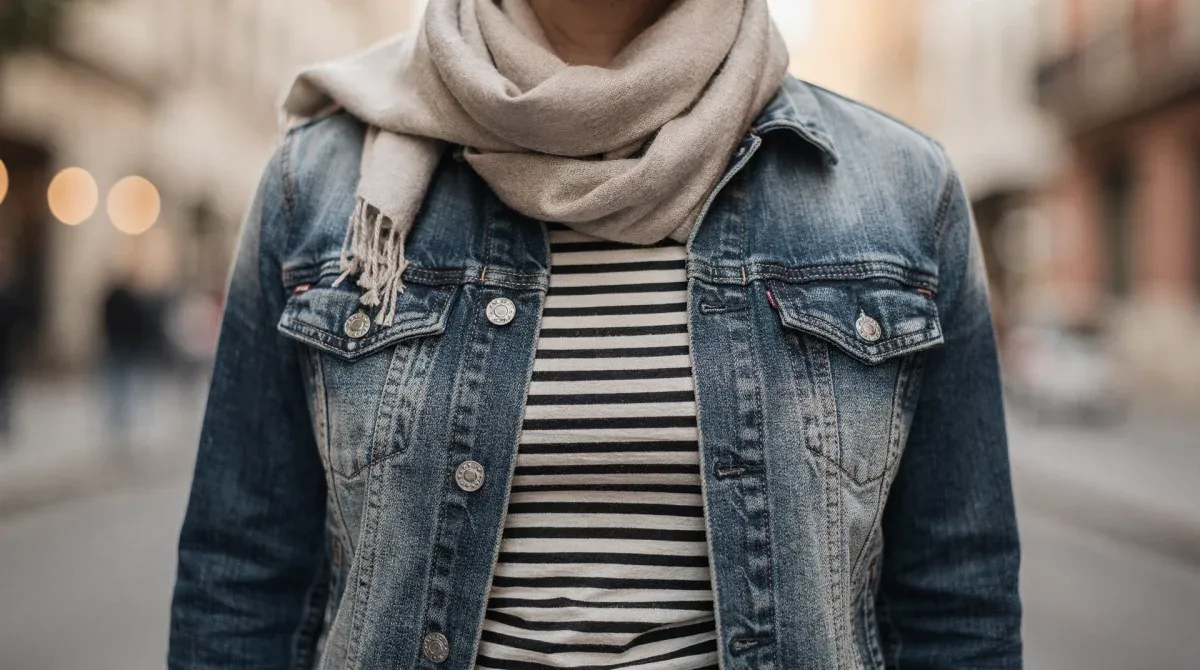
The beauty of the denim jacket lies in its fabric. Denim offers a moderate level of warmth, blocking cool breezes without being overly insulated. It's durable, forgiving, and develops character with age, making it a sustainable choice for your wardrobe.
Styling Your Denim Jacket
To elevate this combo, consider the fit and wash of your denim jacket. A well-fitting jacket, neither too tight nor too baggy, will look more polished. Lighter washes are great for spring and summer, while darker washes lend themselves well to autumn. Experiment with different lengths, from cropped to slightly oversized, to find what best suits your personal style.
- Accessorize smartly: Add a lightweight scarf for extra warmth and a pop of color.
- Bottoms variety: Pair with chinos, skirts, or even tailored trousers for a more refined look.
- Footwear choices: Sneakers keep it casual, while loafers or ankle boots can dress it up.
The striped tee, whether short or long-sleeved, adds a touch of classic French chic. Its simple pattern provides visual interest without overpowering the outfit. Opt for stripes in neutral tones like navy, black, or red on a white or cream background for maximum versatility.
In essence, the denim jacket and striped tee combo is a foundational element for transitional weather dressing. It offers a blend of comfort, durability, and timeless style, proving that some pairings are simply perfect for those in-between days.
Combo 2: The Lightweight Trench Coat and Knit Sweater – Sophisticated Practicality
For those days when you need a touch more sophistication without sacrificing practicality, the lightweight trench coat paired with a fine-gauge knit sweater is an impeccable choice. This combination exudes classic elegance while providing ample protection against unexpected drizzles and cooler gusts, making it ideal for the 55-to-75 degree range.
The trench coat, with its iconic silhouette and functional details like storm flaps and a belted waist, is a sartorial staple. When chosen in a lightweight fabric, it becomes the perfect outer layer for transitional periods, offering a polished look that can easily go from a professional setting to a casual weekend outing.
What makes this combo truly shine is its ability to adapt. The trench coat provides a barrier against wind and light rain, while the knit sweater underneath offers a comfortable layer of warmth. Together, they strike a balance between refined style and practical comfort, making you feel prepared for whatever the weather brings.
Choosing Your Trench and Knit
When selecting a trench coat for transitional weather, prioritize lighter materials like cotton blends or Tencel. These fabrics offer breathability and drape beautifully without feeling heavy. Classic colors like khaki, beige, or navy are always safe bets, but don't shy away from experimenting with pastels or even bolder hues if they align with your personal style.
- Knit material: Opt for merino wool, cashmere, or cotton blends for softness and breathability.
- Knit weight: Fine-gauge knits are key; avoid chunky sweaters that add unnecessary bulk.
- Trench length: A knee-length or mid-calf trench offers maximum versatility and coverage.
The knit sweater serves as the perfect mid-layer, providing warmth without bulk. A crew neck or V-neck style works well, allowing for easy layering over a collared shirt if desired. The texture of the knit adds depth to the outfit, contrasting nicely with the smooth finish of the trench coat.

This pairing is particularly effective for creating an elevated ensemble. It’s perfect for business casual environments, dinner dates, or any occasion where you want to look put-together and sophisticated. The trench coat's structured form, combined with the soft drape of the knit, creates a harmonious and visually appealing outfit.
In summary, the lightweight trench coat and knit sweater combination offers sophisticated practicality for transitional weather. It's a timeless pairing that ensures elegance and comfort through changing temperatures.
Combo 3: The Utility Jacket and Breton Stripe Top – Casual Chic
For those who favor a more relaxed yet put-together aesthetic, the utility jacket paired with a Breton stripe top is a winning formula for transitional weather dressing. This combo blends military-inspired functionality with classic maritime charm, creating an outfit that's both stylish and incredibly practical for 55-to-75 degree days.
The utility jacket, often characterized by its multiple pockets and durable fabric, brings an element of ruggedness and practicality. It's designed for versatility, making it an excellent choice for unpredictable weather. When combined with the clean lines of a Breton stripe top, the result is a balanced look that's effortlessly chic.
This pairing thrives on contrast: the structured, utilitarian nature of the jacket against the soft, classic appeal of the striped top. It’s a dynamic duo that offers comfort and style, perfect for weekend adventures, casual outings, or even a creative work environment.
Embracing Utility and Stripes
When choosing a utility jacket, look for lightweight cotton or linen blends that offer breathability. Earthy tones like olive green, khaki, or navy are popular choices, but don't shy away from experimenting with lighter shades for a springier feel. The fit should be comfortable enough to layer over a top without feeling restrictive.
- Pocket power: Utilize the jacket's pockets for essentials, keeping your hands free.
- Breton variations: Experiment with different stripe widths and colors beyond traditional navy and white.
- Layering flexibility: The Breton top can be short-sleeved or long-sleeved, depending on the temperature.
The Breton stripe top, with its iconic horizontal stripes, adds a timeless and slightly nautical touch. It's a versatile piece that can be worn on its own in warmer weather or layered under the utility jacket when temperatures dip. Its simplicity allows the utility jacket to be the focal point while still adding character to the overall ensemble.

This combination is perfect for creating a relaxed yet stylish look. Pair it with dark-wash jeans and sneakers for a classic casual vibe, or dress it up slightly with tailored shorts and espadrilles. The utility jacket's functional design ensures you're prepared for whatever the day throws at you, while the Breton top keeps your style game strong.
Ultimately, the utility jacket and Breton stripe top combo is a testament to casual chic. It offers a perfect blend of practicality and timeless style, making it an ideal choice for navigating the nuances of transitional weather with ease.
Combo 4: The Cardigan and Silk Camisole – Effortless Elegance
For a softer, more elegant approach to transitional weather dressing, the combination of a lightweight cardigan and a silk camisole is unparalleled. This pairing offers a delicate balance of warmth and breathability, making it exquisitely suited for 55-to-75 degree days when you desire a touch of refined comfort.
The silk camisole provides a luxurious and smooth base layer, offering a cool sensation against the skin while also regulating temperature. Its delicate nature contrasts beautifully with the cozy texture of a cardigan, creating an ensemble that feels both comfortable and effortlessly chic. This combination is particularly effective for those occasions that call for a more polished yet relaxed look.
This duo is perfect for those moments when you need a light layer indoors or a subtle shield against a gentle breeze outdoors. It allows for easy adjustments, letting you drape the cardigan over your shoulders or wear it fully for added warmth, all while maintaining an air of refined grace.
Curating Your Cardigan and Camisole Ensemble
When selecting a cardigan for transitional weather, focus on lightweight materials like fine-gauge merino wool, cashmere, cotton, or even a delicate linen blend. The fit should be relaxed but not sloppy, allowing it to layer comfortably over the camisole. Consider both open-front styles and button-down options for different aesthetic outcomes.
- Camisole fabric: Pure silk or a high-quality silk blend ensures comfort and a luxurious feel.
- Color coordination: Choose complementary colors for the camisole and cardigan to create a harmonious look.
- Length variations: A cropped cardigan can pair well with high-waisted bottoms, while a longer one offers more coverage.
The silk camisole is the star of the base layer, adding a touch of understated glamour. Its smooth texture feels wonderful against the skin and helps regulate body temperature, making it ideal for fluctuating conditions. Opt for neutral tones like ivory, champagne, or black for maximum versatility, or introduce a pop of color for added visual interest.
This elegant combination is perfect for a variety of settings, from a casual coffee date to an evening out. Pair it with tailored trousers or a flowy midi skirt for a sophisticated ensemble. Add delicate jewelry to enhance its refined appeal. The beauty of this look lies in its simplicity and the luxurious feel of the fabrics.
To summarize, the lightweight cardigan and silk camisole offer an effortlessly elegant solution for transitional weather. It's a pairing that promises comfort and sophistication, perfect for navigating those in-between days with grace.
Accessorizing for Transitional Weather: The Finishing Touches
No transitional weather outfit is complete without thoughtful accessories. These aren't just decorative; they play a crucial role in adapting your look to changing temperatures and adding that personal touch that elevates your style. From scarves to footwear, the right accessories can make all the difference on a 55-to-75 degree day.
Accessories offer both functional benefits and opportunities for self-expression. A well-chosen scarf can provide extra warmth in the morning chill, while a stylish pair of sunglasses can shield your eyes from the midday sun. They are the elements that tie an outfit together and prepare you for any eventuality.
The key is to select accessories that are versatile and can be easily added or removed. Think about pieces that complement your chosen outerwear combos and enhance their overall aesthetic without adding unnecessary bulk or weight.
Essential Transitional Accessories
Consider the following accessories to complete your transitional weather wardrobe:
- Lightweight scarves: A pashmina, silk square, or cotton blend scarf can add warmth, color, and texture. Easily stashed in a bag when not needed.
- Versatile footwear: Ankle boots, loafers, stylish sneakers, or even closed-toe flats are ideal. Avoid heavy winter boots or flimsy sandals.
- Sunglasses: Essential for protecting your eyes on sunny days, even when the air is cool.
- Crossbody bags: Keep your hands free and hold essentials like your phone, wallet, and perhaps a folded light scarf.
Hats can also be a stylish and practical addition. A lightweight beanie or a chic fedora can offer warmth or sun protection, depending on the material and style. Jewelry should be kept simple and elegant, complementing your outfit without competing with the layers.
Remember that the goal of accessorizing for transitional weather is to enhance comfort and style. Each piece should serve a purpose, whether it's adding warmth, protecting from the sun, or simply elevating your overall look. Choose wisely, and you'll find that your accessories become indispensable components of your seasonal wardrobe.
In conclusion, thoughtful accessorizing is crucial for mastering transitional weather dressing. By incorporating versatile pieces like scarves, appropriate footwear, and sunglasses, you can ensure both comfort and style as temperatures fluctuate throughout the day.
The Importance of Fabric Choices in Transitional Outfits
When curating your wardrobe for unpredictable 55-to-75 degree days, understanding the properties of different fabrics is paramount. The right fabric choices can make all the difference in ensuring comfort, breathability, and adaptability, which are crucial for effective transitional weather dressing. Opting for materials that can regulate body temperature is key to avoiding discomfort as conditions change.
Many people overlook the impact of fabric composition, focusing solely on style. However, a stylish outfit made from unsuitable materials can quickly become uncomfortable. For transitional periods, the goal is to find fabrics that offer a balance of warmth, breathability, and moisture-wicking properties, allowing your skin to breathe while still providing a light layer of insulation.
By making informed decisions about fabrics, you can create a wardrobe that feels as good as it looks, ensuring you're prepared for anything from a sunny afternoon to a sudden cool breeze.
Top Fabrics for In-Between Seasons
Here are some of the best fabric choices for transitional weather, along with their benefits:
- Cotton: Highly breathable, soft, and versatile. Excellent for base layers like T-shirts and lighter outerwear like denim jackets. It absorbs moisture, which can be a downside if you're very active, but generally performs well in mild conditions.
- Linen: Known for its exceptional breathability and moisture-wicking properties, linen is perfect for warmer transitional days. It keeps you cool and dries quickly, making it ideal for shirts, light trousers, and blazers.
- Merino Wool: A natural wonder, merino wool is soft, lightweight, and incredibly effective at regulating body temperature. It keeps you warm when it's cool and cool when it's warm, plus it's naturally odor-resistant and moisture-wicking. Great for fine-gauge knits and light sweaters.
- Tencel (Lyocell): A sustainable fabric derived from wood pulp, Tencel is soft, breathable, and drapes beautifully. It's known for its moisture-wicking capabilities and resistance to wrinkles, making it an excellent choice for blouses, dresses, and lightweight jackets.
- Silk: Luxurious and smooth, silk is a natural temperature regulator. It's warm in cool weather and cool in warm weather, making it ideal for camisoles, scarves, and delicate blouses.
- Lightweight Blends: Many modern fabrics are blends of natural and synthetic fibers, designed to combine the best properties of each. Look for cotton-modal, cotton-linen, or wool-silk blends for enhanced performance and comfort.
Avoiding heavy, insulated fabrics like thick wools or heavy synthetics is crucial during transitional periods. While these are excellent for winter, they will cause you to overheat quickly when temperatures rise, leading to discomfort. Similarly, extremely thin or sheer fabrics might not offer enough protection against a sudden drop in temperature.
The strategic selection of fabrics is a cornerstone of successful transitional weather dressing. By prioritizing materials that offer breathability, temperature regulation, and comfort, you can build a wardrobe that effortlessly adapts to the season's unpredictable nature, ensuring you always feel your best.
In conclusion, understanding and choosing the right fabrics is vital for comfortable and stylish transitional weather dressing. Focus on breathable, temperature-regulating materials like cotton, merino wool, and Tencel to navigate fluctuating temperatures with ease.
| Outerwear Combo | Key Benefit |
|---|---|
| Denim Jacket & Striped Tee | Timeless versatility for casual chic. |
| Lightweight Trench & Knit Sweater | Sophisticated practicality for elegant layering. |
| Utility Jacket & Breton Stripe Top | Functional style for relaxed, put-together looks. |
| Cardigan & Silk Camisole | Effortless elegance for refined comfort. |
Frequently Asked Questions About Transitional Weather Dressing
What temperatures define transitional weather?▼Transitional weather typically refers to days when temperatures fluctuate significantly, often ranging between 55 and 75 degrees Fahrenheit. This includes periods like early spring and late autumn, where mornings are cool, afternoons are mild, and evenings can become chilly.
Why is layering so important for transitional weather?▼Layering is crucial because it allows you to adapt your outfit to changing temperatures throughout the day. You can easily add or remove layers to stay comfortable, preventing you from being too hot or too cold as the weather shifts from cool mornings to warm afternoons and back to cool evenings.
What fabrics are best for lightweight outerwear in transitional seasons?▼For lightweight outerwear in transitional seasons, breathable fabrics like cotton, linen, Tencel, and fine-gauge merino wool are ideal. These materials offer good temperature regulation, moisture-wicking properties, and comfort without adding excessive bulk.
Can I wear a trench coat in warmer transitional weather?▼Yes, a lightweight trench coat is excellent for warmer transitional weather. Opt for styles made from cotton blends or Tencel, which are breathable. You can wear it open over a lighter top, providing a chic layer that offers protection from wind and light rain without overheating.
How do accessories enhance transitional weather outfits?▼Accessories significantly enhance transitional weather outfits by providing both functional benefits and style. Lightweight scarves offer extra warmth, sunglasses protect from sun, and versatile footwear adapts to various conditions, allowing for easy adjustments and adding personal flair to your layered look.
Conclusion
Mastering transitional weather dressing is about embracing versatility, thoughtful layering, and smart fabric choices. By focusing on lightweight outerwear combinations like the denim jacket with a striped tee, the elegant trench coat with a knit sweater, the casual utility jacket with a Breton top, or the sophisticated cardigan with a silk camisole, you can confidently navigate those unpredictable 55-to-75 degree days. Remember that accessories and an understanding of fabric properties are your allies in creating outfits that are both comfortable and effortlessly stylish, ensuring you're prepared for any shift in temperature.
