Consumer Pushback: Why Hardware Unlock Subscriptions Decline
Consumer pushback against feature subscriptions, particularly those requiring a monthly fee like $12 for hardware unlocks, is declining as users question value, ownership, and the necessity of recurring costs for already-purchased devices.
The landscape of consumer technology is undergoing a significant shift, marked by a palpable and growing consumer pushback against feature subscriptions. No longer are users passively accepting the notion of paying $12 monthly for hardware unlocks; instead, a collective skepticism is emerging, challenging the very foundation of this monetization model. This article delves into the core reasons behind this declining acceptance, exploring the economic, psychological, and ethical dimensions at play.
The rise and fall of the subscription model in hardware
Initially, the allure of recurring revenue led many tech companies to embrace subscription models, extending them beyond software to hardware features. This seemed like a logical progression, promising continuous income and a perceived enhancement of user experience through incremental feature rollouts. However, the enthusiasm quickly waned as consumers began to scrutinize the actual value proposition.
The idea of paying for a feature that is inherently part of a device they already own, or for a capability that could easily be a one-time upgrade, has sparked widespread discontent. This model often feels like an additional tax on ownership rather than a genuine service, leading to a sense of being perpetually rented from by the very companies they've already supported through an initial purchase.
Understanding subscription fatigue
One of the primary drivers of this pushback is 'subscription fatigue.' Consumers are bombarded with an ever-increasing array of subscription services, from streaming platforms to productivity tools. Adding another $12 monthly fee for a car's heated seats or a printer's advanced functions often feels like the straw that breaks the camel's back.
- Overwhelming monthly costs: Multiple small subscriptions quickly accumulate into a substantial financial burden.
- Diminished perceived value: The individual value of each subscription appears smaller when viewed as part of a larger monthly outflow.
- Complexity of management: Keeping track of numerous subscriptions, their renewal dates, and payment methods becomes a chore.
The sheer volume of subscriptions has made consumers more discerning, forcing them to re-evaluate what truly merits a recurring payment. When a hardware unlock enters this crowded field, it often struggles to justify its place, especially when compared to services offering a constant stream of new content or essential utilities.
The ownership dilemma: What does 'owning' truly mean?
At the heart of the consumer pushback is a fundamental question about ownership. When a user buys a piece of hardware, whether it's a car, a smartphone, or a smart appliance, there's an inherent expectation of full functionality. The introduction of paywalled features, particularly those that are physically present in the device but software-locked, challenges this traditional understanding of ownership.
Consumers feel that they have already paid for the hardware, and therefore, all its capabilities should be accessible without further financial commitment. This sentiment is particularly strong for features that were once standard or available through a one-time purchase. The shift to a subscription model for these elements is often perceived as a degradation of the ownership experience, turning a purchase into a perpetual lease.
The industry is now facing a reckoning, as consumers demand clarity and fairness in what they are actually buying. This isn't just about cost; it's about the psychological contract between consumer and manufacturer. When that contract is perceived as broken, trust eroding, leading to significant resistance.

Economic realities and perceived value
The economic climate plays a crucial role in shaping consumer attitudes towards subscriptions. In an era of inflation and increased cost of living, discretionary spending is under greater scrutiny. A $12 monthly fee for a hardware unlock, which might have been overlooked in more prosperous times, now becomes a point of contention.
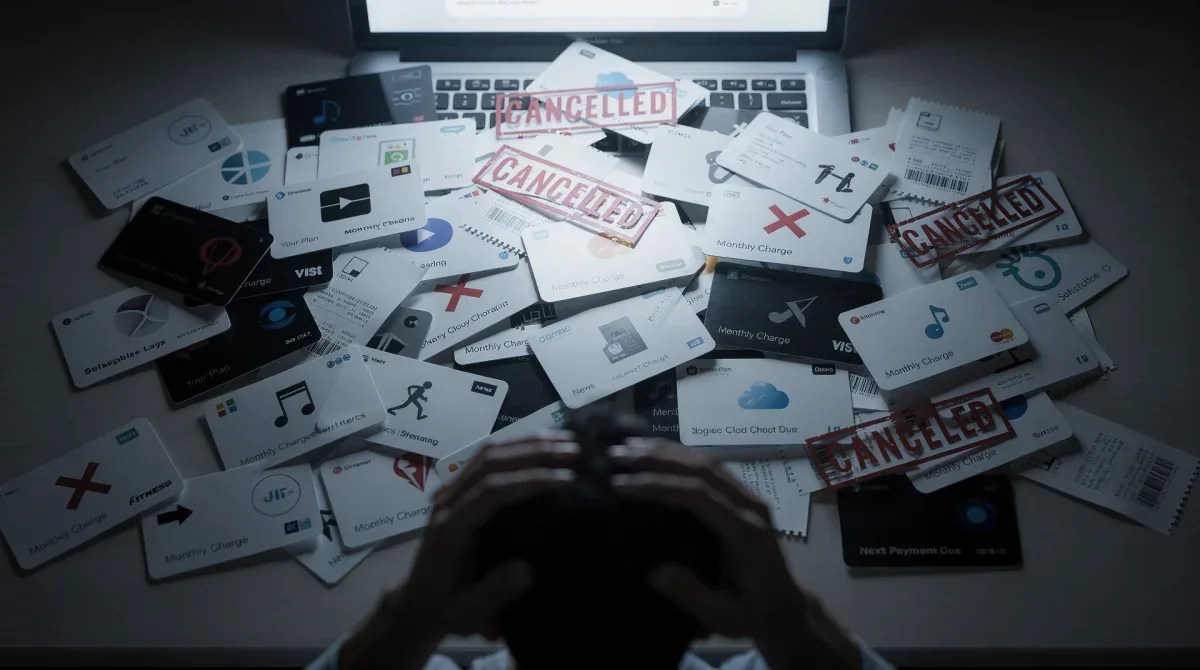
Consumers are increasingly evaluating every expense, asking whether a feature subscription provides genuine, indispensable value that justifies its recurring cost. Many find that the convenience or enhancement offered by a locked hardware feature does not outweigh the cumulative financial burden over time.
The 'nickel and diming' perception
The practice of charging for individual hardware features can lead to a perception of 'nickel and diming.' Instead of a comprehensive product, consumers feel they are buying a base model and then being asked to pay extra for essential or expected functionalities. This approach can foster resentment and a feeling of being exploited.
- Fragmented product experience: The full potential of the device is hidden behind paywalls, creating an incomplete user experience.
- Erosion of brand loyalty: Companies seen as extracting excessive recurring fees risk alienating their customer base.
- Negative word-of-mouth: Dissatisfied customers are likely to share their negative experiences, impacting brand reputation.
This perception is particularly damaging in industries where brand loyalty is paramount, such as automotive or high-end electronics. Consumers expect a premium experience to come with comprehensive functionality, not a series of optional add-ons that are already built into the device.
Value vs. expectation: Where the disconnect lies
The disconnect often arises from a mismatch between consumer expectations and the value proposition offered by companies. Consumers expect features that are physically present in the hardware to be part of the initial purchase price. Companies, on the other hand, see subscriptions as a way to generate continuous revenue and offer ongoing development or support.
For a subscription to succeed, it must offer a clear, continuous, and compelling value that goes beyond the initial hardware. If the value is perceived as static or easily achievable through a one-time purchase, consumers will inevitably resist the recurring fee. The challenge for companies is to articulate and deliver this ongoing value in a way that resonates with users.
The psychological impact of feature paywalls
Beyond the economic considerations, there's a significant psychological impact when consumers encounter paywalled hardware features. The feeling of being restricted from using a device to its full potential, despite having paid for it, can be deeply frustrating and diminish the overall user experience.
This frustration can lead to a sense of betrayal, especially if the feature was advertised or implied during the initial purchase. The joy of a new gadget can quickly turn into annoyance when a key functionality is locked behind a recurring payment. This psychological friction is a powerful force driving the consumer pushback.
The illusion of choice and control
While companies often frame subscriptions as offering 'choice' and 'flexibility,' consumers frequently perceive them as a removal of control. When features are locked, the choice is often between paying a recurring fee or foregoing a desirable functionality that is already physically present in the device. This isn't true choice; it's a forced decision.
- Lack of true alternatives: Often, there's no option for a one-time unlock or a permanent license.
- Feeling of being held hostage: Users may feel compelled to pay to get the full experience of their own device.
- Dependence on manufacturer: The continuous reliance on the manufacturer for feature access can feel disempowering.
Consumers desire autonomy over their purchased goods. The subscription model for hardware features often undermines this desire, creating a sense of dependence that many find unappealing. This psychological aspect is critical to understanding the depth of the current resistance.
Impact on brand perception and loyalty
Companies that heavily rely on hardware feature subscriptions risk damaging their brand perception. A brand that is perceived as greedy or exploitative will struggle to maintain customer loyalty in the long run. Consumers often equate these practices with a lack of respect for their customers and their wallets.
In today's interconnected world, negative sentiment spreads rapidly through social media and online forums. A few highly publicized instances of unpopular subscription models can significantly tarnish a brand's image, making it difficult to attract new customers and retain existing ones. Building trust takes years, but it can be eroded in moments by perceived unfair practices.
Legal and ethical considerations
The legal and ethical dimensions of hardware feature subscriptions are also coming under increasing scrutiny. Consumer protection groups and regulators are beginning to question whether these practices are transparent and fair, especially when features are advertised as part of a product but then locked behind a paywall.
There's a growing debate about whether consumers are adequately informed about these recurring costs at the point of sale. If a feature is physically present and enabled by software, but requires a subscription, it raises questions about deceptive advertising and the true cost of ownership. These legal and ethical challenges could force companies to rethink their strategies.
Transparency and disclosure challenges
One of the biggest ethical challenges is transparency. Are companies clearly disclosing that certain hardware features require a monthly subscription before the purchase is made? Often, this information is buried in fine print or only becomes apparent after the device has been acquired.
Lack of clear disclosure can lead to significant consumer dissatisfaction and legal challenges. Regulators are increasingly pushing for greater transparency in pricing and feature availability, ensuring that consumers have all the necessary information to make informed purchasing decisions. This is crucial for building and maintaining consumer trust.

Moreover, the ethical implications extend to the lifespan of products. If a subscription is required for a feature that could otherwise function indefinitely, it raises questions about planned obsolescence and environmental impact. Consumers are becoming more conscious of these broader issues.
The future: Towards a more balanced approach?
Given the significant consumer pushback, it's clear that the current model of charging $12 monthly for hardware unlocks is unsustainable in the long term. Companies are being forced to re-evaluate their strategies and consider more balanced approaches that respect consumer expectations of ownership and value.
The future of hardware monetization will likely involve a blend of traditional sales, one-time upgrades, and carefully curated subscription services that offer truly distinct and ongoing value. The key will be to differentiate between features that should be inherent to a product and those that genuinely warrant a recurring payment.
Alternative monetization strategies
Companies could explore various alternative monetization strategies that are more palatable to consumers:
- One-time unlocks: Offering a permanent unlock option for a higher, but one-time, fee.
- Tiered hardware models: Selling different versions of hardware with varying feature sets at different price points.
- Value-added subscriptions: Focusing subscriptions on services that truly offer continuous updates, cloud integration, or exclusive content, rather than basic hardware functionality.
- Freemium models: Providing a robust set of core features for free and charging for advanced, niche functionalities.
These alternatives address the core concerns of ownership and perceived value, offering consumers more control and clarity over their purchases. The shift away from mandatory monthly fees for basic hardware features is becoming an imperative for market success.
The role of consumer advocacy and market forces
Consumer advocacy groups and market forces will continue to play a crucial role in shaping these trends. As consumers become more vocal in their dissatisfaction, companies will be pressured to respond with more consumer-friendly policies. The power of collective action, amplified by social media, cannot be underestimated.
Ultimately, companies that listen to their customers and adapt their monetization strategies will be the ones that thrive. Those that persist with unpopular subscription models for hardware features risk losing market share and damaging their brand beyond repair. The market is speaking, and its message is clear: value and ownership matter.
Navigating the evolving consumer landscape
The ongoing consumer pushback against feature subscriptions for hardware, particularly the contentious $12 monthly fee for unlocks, signifies a critical juncture in the tech and consumer trends landscape. This resistance isn't merely a fleeting trend; it reflects a deeper re-evaluation by consumers of what constitutes true ownership, fair pricing, and genuine value in an increasingly digitized world.
The industry must now grapple with the consequences of 'subscription fatigue,' the psychological impact of feature paywalls, and the ethical questions surrounding product transparency. As consumers become more discerning and vocal, companies face the imperative to pivot towards more equitable and transparent business models. The future success of hardware manufacturers will hinge on their ability to innovate not just in technology, but also in how they deliver and monetize value, ensuring that the consumer's sense of ownership and trust remains paramount. This shift demands a strategic re-imagining of how products are sold and supported, moving away from perceived 'nickel and diming' towards solutions that genuinely empower users and foster long-term loyalty.
| Key Point | Brief Description |
|---|---|
| Subscription Fatigue | Consumers are overwhelmed by numerous subscriptions, making them resistant to new recurring fees for hardware features. |
| Ownership vs. Access | Users expect full functionality of purchased hardware, challenging the concept of paying monthly to unlock existing features. |
| Economic Scrutiny | Rising costs of living push consumers to critically evaluate every expense, making $12 monthly fees for optional features less justifiable. |
| Brand Trust Erosion | Aggressive subscription models can damage brand perception, leading to decreased loyalty and negative public sentiment. |
Frequently asked questions about hardware subscriptions
Why are consumers resisting hardware feature subscriptions?▼Consumers are resisting due to 'subscription fatigue' from too many services, a feeling of already owning the hardware's full potential, and economic pressures making recurring $12 fees for non-essential features seem unjustified and exploitative.
What is 'subscription fatigue' and how does it relate to hardware unlocks?▼Subscription fatigue refers to consumers feeling overwhelmed by the number and cost of their monthly subscriptions. Adding a $12 hardware unlock fee to an already long list often pushes consumers to reject it, as the perceived value doesn't justify the added financial burden.
How does the concept of ownership factor into this pushback?▼When consumers purchase hardware, they expect full access to its capabilities. Paywalled features challenge this traditional understanding of ownership, leading to frustration and a sense that they're paying for something they already physically possess.
What are the economic implications driving consumer resistance?▼In an inflationary environment, discretionary spending is scrutinized more closely. A $12 monthly fee for a non-essential hardware feature becomes a clear target for cost-cutting, as consumers prioritize essential expenses over optional recurring payments.
What might be the future of hardware monetization models?▼Future models will likely move towards one-time unlocks, tiered hardware offerings, or value-added subscriptions that provide continuous, distinct services. Companies must prioritize transparency and genuine value to regain consumer trust and maintain market competitiveness.
Conclusion
The pronounced consumer pushback against the $12 monthly fee for hardware unlocks signals a definitive shift in market expectations. This widespread resistance is not merely a transient trend but a fundamental re-evaluation by consumers of what constitutes fair value, true ownership, and ethical business practices in the tech industry. As 'subscription fatigue' intensifies and economic pressures mount, the willingness to pay recurring fees for features inherently present in purchased hardware continues to decline. Companies that prioritize transparency, respect the concept of full ownership, and offer genuinely value-driven monetization alternatives will be the ones that navigate this evolving landscape successfully, fostering long-term trust and loyalty. The era of 'pay-to-unlock' for basic hardware functionalities is rapidly giving way to a demand for comprehensive products and clear, upfront value propositions.
