Everyday Proportions Guide: 3 Hemline Rules for Balance
Mastering an everyday proportions guide is crucial for balanced silhouettes, and understanding three key hemline rules can effortlessly transform your daily style, ensuring a polished and confident appearance for any occasion.
Navigating the world of fashion can often feel like a complex puzzle, but with the right insights, achieving a polished look becomes second nature. This comprehensive everyday proportions guide delves into the fundamental principles of balancing your daily silhouettes, focusing specifically on three essential hemline rules that can dramatically elevate your personal style. Understanding where your clothes end can make all the difference in how your figure is perceived, offering a flattering and harmonious aesthetic.
Understanding the Foundation of Proportions in Fashion
Before diving into specific hemline rules, it's vital to grasp the overarching concept of proportions in fashion. Proportions refer to the relationship between different parts of an outfit and how they interact with your body's natural lines. A well-proportioned outfit creates a visually appealing balance, making you appear taller, slimmer, or simply more put-together. Conversely, incorrect proportions can cut your body at unflattering points, making you look shorter, wider, or disheveled. It's not about hiding your body but enhancing its natural beauty through thoughtful clothing choices.
Many people mistakenly believe that achieving good proportions is solely about body type, but it's far more nuanced. It’s about understanding how fabrics drape, where seams lie, and critically, where hemlines fall. These elements work in concert to create an optical illusion that can either flatter or detract. The goal is to create a sense of harmony and equilibrium, ensuring that no single part of your outfit overpowers another or visually distorts your frame.
The Role of Visual Balance
Visual balance is the cornerstone of good proportions. Imagine drawing a vertical line down the center of your body; an outfit that is visually balanced distributes weight evenly on both sides, and also vertically. This doesn't mean everything has to be symmetrical, but rather that the 'heaviness' or 'lightness' of different garment sections feels appropriate. For instance, a voluminous top might be balanced by a more fitted bottom, or vice-versa. Hemlines play a crucial role in this vertical balance, dictating where the eye stops and how much of your leg or arm is revealed.
- Creating Harmony: Ensure each garment piece complements the others in terms of length and volume.
- Defining Waistlines: A defined waist, whether natural or created by clothing, helps establish the upper and lower body proportions.
- Considering Fabric Weight: Heavier fabrics can visually add bulk, requiring careful consideration of hemline and overall silhouette.
Ultimately, understanding proportions empowers you to dress with intention. It moves beyond simply following trends and instead allows you to make informed decisions that celebrate your individual form. This foundational knowledge sets the stage for mastering the specific hemline rules that will transform your everyday style.
Hemline Rule 1: The 'Sweet Spot' Above or Below the Knee
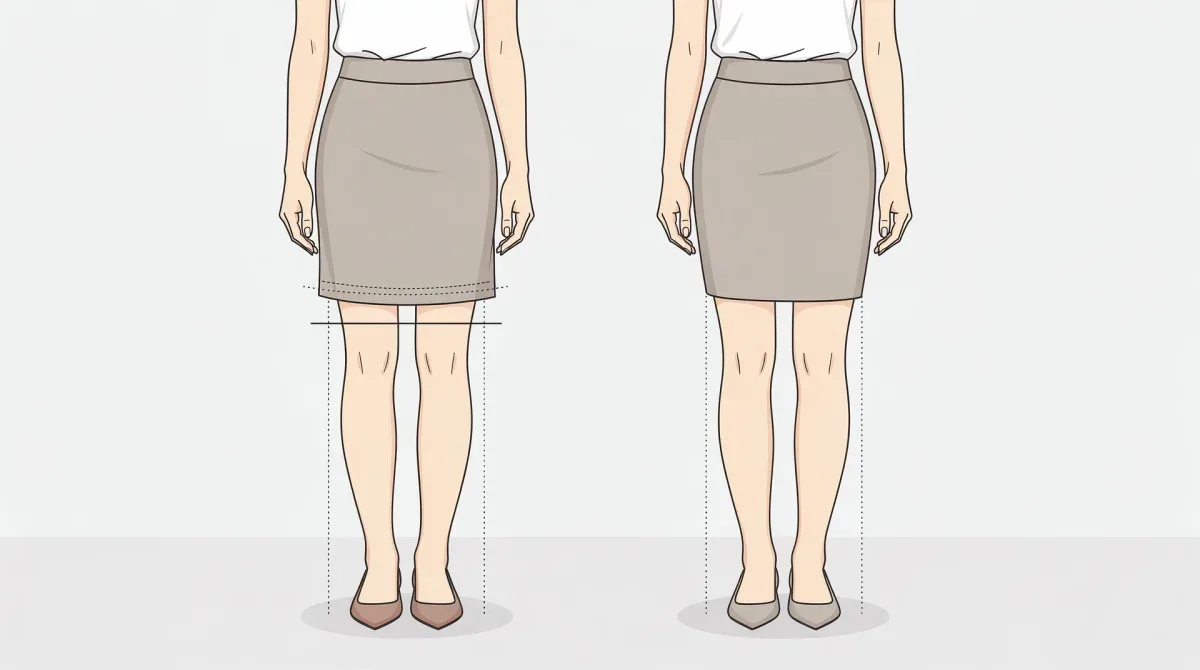
The first and arguably most impactful hemline rule revolves around the knee – a critical reference point for achieving balanced proportions. Hitting the 'sweet spot' means choosing hemlines that fall either just above or just below the knee, rather than directly at the widest part of the knee. This principle applies to skirts, dresses, and even shorts, significantly influencing how your legs appear and how your overall silhouette is perceived.
When a hemline lands precisely at the widest point of the knee, it can visually shorten your legs and make them appear stouter. This is because it draws attention to the broadest part of the joint, creating an abrupt horizontal line that interrupts the natural flow of your leg line. Instead, moving the hemline slightly up or down creates a more elongated and flattering effect. This subtle adjustment can make a remarkable difference in how graceful and proportionate your legs look.
The Mini and Midi: Strategic Knee Placement
For mini-skirts and shorter dresses, the ideal hemline typically falls a few inches above the knee. This length showcases the slimmest part of your thigh, extending the line of your leg upwards. It creates an energetic and youthful look without being overly revealing. The key is to find a length that feels comfortable and appropriate for your personal style and the occasion, ensuring it doesn't ride up too high when you sit or move.
- Mini Skirts: Aim for a hemline that hits at least 2-4 inches above the knee, focusing on the narrowest part of the thigh.
- Shorts: Similar to mini skirts, shorts should ideally end above the knee to elongate the leg.
Conversely, for midi-length skirts and dresses, the most flattering hemline is often just below the knee, or at the mid-calf. A hemline that ends just below the knee allows the eye to continue past the knee joint, emphasizing the calf and ankle, which are typically narrower parts of the leg. Avoid hemlines that cut at the widest part of your calf, as this can create a bulky appearance and shorten your lower body. The mid-calf length, when chosen correctly, can be incredibly chic and sophisticated.
This rule is about creating an unbroken visual line that extends the perceived length of your limbs. By strategically placing hemlines above or below the knee, you manipulate the eye to see a more elongated and balanced silhouette, contributing significantly to an overall polished aesthetic.
Hemline Rule 2: Avoiding the Widest Points of Your Body
The second crucial hemline rule extends beyond the knee to encompass all the widest points of your body. This principle dictates that hemlines – whether for tops, jackets, skirts, or pants – should generally avoid cutting horizontally across the broadest part of any body segment. Doing so can visually expand that area, making you appear wider or shorter than you are. Instead, aim for hemlines that fall either above or below these widest points, drawing attention to narrower sections and creating a more streamlined look.
Think about your hips, thighs, and calves. If a top's hemline ends precisely at your widest hip point, it can make your hips appear broader. Similarly, skirts that end at the widest part of your calf can make your legs look shorter and heavier. The goal is to create vertical lines and avoid horizontal interruptions that emphasize width. This rule is a powerful tool for visual sculpting, allowing you to control how your silhouette is perceived without resorting to restrictive garments.
Strategic Hemline Placement for Upper and Lower Body
For tops and jackets, consider where the hem falls in relation to your hips. A top that ends just above your hip bone or extends a few inches below it will generally be more flattering than one that cuts directly across the widest part of your hips. Cropped tops, for example, can be excellent for elongating the leg line when paired with high-waisted bottoms, as they draw the eye upwards and don't create a horizontal break at the hip.

- Tops and Jackets: Opt for hemlines that end above or below the widest part of your hips, such as true crop lengths or tunic lengths.
- Pants and Jeans: For ankle-length styles, ensure they hit at the ankle bone or slightly above, not at the widest part of your calf.
When it comes to skirts and dresses, this rule is particularly important for midi and maxi lengths. As mentioned, hemlines that hit the widest part of the calf can be unflattering. Instead, aim for a length that ends at the slimmest part of your ankle or just above it for maxi styles. For midi skirts, just below the knee or a few inches above the ankle bone are often the most flattering points. This creates a sense of continuous length, making your legs appear longer and leaner.
By consciously avoiding the widest points, you guide the eye along a more vertical path, creating an illusion of height and slenderness. This attention to detail in hemline placement is a hallmark of truly well-dressed individuals and a cornerstone of any effective everyday proportions guide.
Hemline Rule 3: Balancing Volume and Fabric Flow
The third hemline rule focuses on the interplay between volume, fabric, and how it flows, especially in relation to the hemline. It's not just about where the hem ends, but also how the fabric behaves at that point. A hemline can be perfectly placed according to the first two rules, but if the fabric is too stiff, too voluminous, or flows poorly, the overall effect can still be unbalanced. This rule emphasizes the importance of considering the entire garment's silhouette and how it interacts with your body.
For instance, a full, A-line skirt with a hemline that falls just below the knee can be incredibly flattering, as the volume gradually increases and then gracefully ends. However, a similarly placed hemline on a very stiff, boxy fabric might create an awkward silhouette. The flow and drape of the fabric dictate how the hemline sits and moves, and therefore, how it contributes to the overall proportion of your outfit. This is particularly relevant for garments with pleats, gathers, or substantial fabric weight.
Considering Fabric and Silhouette
When choosing garments, pay attention to how the fabric moves. A fluid fabric will often create a more graceful line, even if the hemline is slightly less than perfect. Conversely, a rigid fabric demands a more precise hemline placement to avoid creating unflattering angles or bulk. For example, a crisp cotton skirt will hold its shape more than a soft jersey skirt, and this difference needs to be considered when evaluating where its hem will naturally fall and how it will interact with your body.
- Fluid Fabrics: These often allow for more leeway with hemlines, as they drape naturally.
- Structured Fabrics: Require more precise hemline placement to maintain a sharp, clean silhouette.
- Voluminous Styles: Ensure the volume is balanced elsewhere in the outfit; a wide hemline might need a fitted top.
This rule also ties into balancing the overall volume of your outfit. If you're wearing a very voluminous top, a more streamlined bottom with a well-placed hemline can create balance. Similarly, a wide-leg pant or a full maxi skirt benefits from a hemline that skims the ground (or just barely clears it with shoes) to maintain its elegant flow without looking messy or overwhelming your frame. The hemline should complement the garment's intended silhouette, enhancing its design rather than fighting against it.
Ultimately, the way fabric behaves at the hemline can either enhance or detract from the perceived length and shape of your body. By paying attention to volume and flow, you ensure that your hemlines not only land at the right spot but also contribute positively to the overall harmony of your daily outfits, solidifying your understanding of an effective everyday proportions guide.
Practical Application: Integrating Hemline Rules into Your Wardrobe
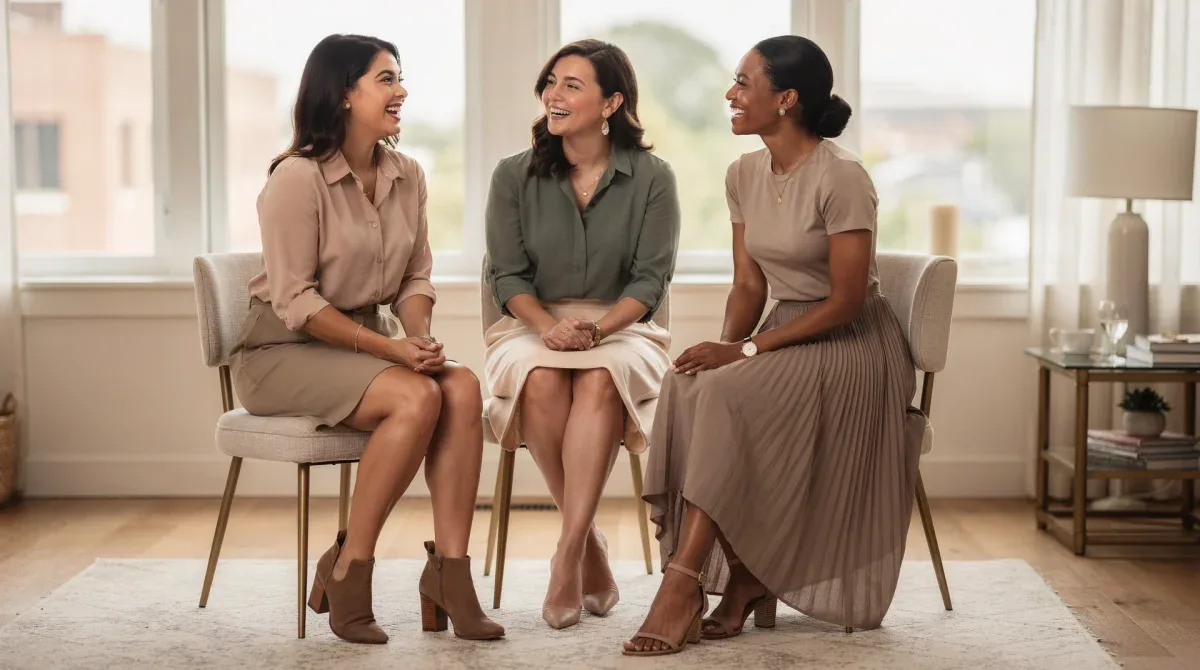
Now that you understand the three fundamental hemline rules, the next step is to integrate them practically into your everyday wardrobe choices. This isn't about discarding everything you own, but rather developing a discerning eye and making conscious decisions when shopping and styling. Start by evaluating your existing garments. Stand in front of a full-length mirror and observe where your hemlines fall. Are they hitting any of the 'unflattering' points? Often, a simple alteration can transform a garment from 'okay' to 'amazing.'
Consider the context of your outfits. While the rules provide a strong framework, personal style and occasion always play a role. A slightly unconventional hemline might work perfectly for a creative, artistic look, but for a professional setting, adhering to these rules will likely yield a more polished and authoritative appearance. The key is to use these rules as guidelines, not rigid laws, allowing for flexibility while still maintaining a strong sense of balance.
Tips for Styling and Shopping Smart
When shopping, pay close attention to how a garment's hemline looks on your body. Don't just rely on how it appears on the hanger or a model. Try it on, move around, and sit down. Does the hemline maintain its flattering position? Does it cut you at an awkward point when you're in motion? Understanding your own body and how different cuts interact with it is paramount. Bring a pair of your usual shoes when trying on skirts or pants to get an accurate sense of the final look.
- Measure and Alter: Don't hesitate to have garments altered to achieve the perfect hemline. This is a worthwhile investment.
- Mix and Match: Experiment with different hemline combinations for tops and bottoms to find what balances your unique figure.
- Accessorize Thoughtfully: Belts, shoes, and jewelry can also influence perceived proportions, working with your hemlines.
Developing an awareness of these hemline rules will transform your approach to dressing. You'll begin to instinctively identify garments that flatter your figure, making shopping more efficient and styling more effective. This practical application ensures that the theoretical knowledge of an everyday proportions guide translates into tangible improvements in your daily aesthetic, boosting confidence and style.
Overcoming Common Hemline Challenges
Even with the best intentions, applying hemline rules can present challenges. One common issue is finding ready-to-wear clothing that perfectly aligns with these guidelines. Mass-produced garments are designed to fit a wide range of body types, meaning that a 'midi' skirt might hit one person at the mid-calf and another at the widest part of their knee. This is where understanding the rules becomes invaluable, as it empowers you to make informed decisions about alterations or to simply pass on an item that won't flatter.
Another challenge can be navigating trends. Fashion trends often push specific hemlines, regardless of their universal flattering potential. While it's fun to incorporate trends, a savvy dresser understands how to adapt them to their body. For example, if a trendy hemline hits an unflattering point, you might opt for a similar style in a slightly different length, or balance it with other elements of your outfit to minimize its impact. The goal is to be fashionable, not a fashion victim.
Tailoring and Personalization
Tailoring is your secret weapon in overcoming most hemline challenges. A skilled tailor can adjust a garment's length to precisely hit your 'sweet spot,' transforming an ill-fitting item into a perfectly proportioned piece. This investment in tailoring not only ensures a better fit but also extends the life and versatility of your wardrobe. Don't view alterations as a luxury, but as a crucial step in achieving a truly polished and personalized look.
- Invest in a Good Tailor: A professional tailor can adjust hemlines, waistlines, and sleeves to perfect your garments.
- Learn Basic Alterations: For simple adjustments, learning to hem yourself can be a valuable skill.
- Prioritize Fit Over Brand: A perfectly fitting, less expensive garment will always look better than a poorly fitting designer piece.
Furthermore, personal experimentation is key. What works for one person might not work for another, even if they share a similar body type. Try different lengths, observe the effects in a mirror, and even take photos to get an objective view. Overcoming these challenges means being proactive, making smart choices, and always prioritizing how a garment makes you feel and look, rather than blindly following norms. This approach solidifies the practical value of an everyday proportions guide.
The Psychology of Proportions: Confidence and Impression
Beyond the aesthetic benefits, mastering an everyday proportions guide has a profound psychological impact. When your clothes fit well and flatter your figure, you naturally feel more confident and self-assured. This isn't vanity; it's the power of presenting yourself in a way that aligns with your best self. Feeling good in your clothes allows you to focus on your day, your work, and your interactions, rather than being distracted by discomfort or self-consciousness about your appearance.
The impression you make on others is also significantly influenced by your proportions. A well-proportioned outfit signals attention to detail, professionalism, and a sense of self-respect. In both personal and professional settings, this can translate into being perceived as more competent, organized, and trustworthy. It's a subtle yet powerful form of non-verbal communication that can open doors and enhance relationships. The way you dress is an extension of your personal brand, and good proportions are a key ingredient in crafting a positive image.
Building a Confident Wardrobe
By consciously applying the three hemline rules, you're not just dressing your body; you're building a wardrobe that supports your confidence. Each garment chosen with thoughtful consideration of its proportions contributes to a cohesive collection of clothing that makes you feel good every time you wear it. This reduces decision fatigue and eliminates those moments of standing in front of your closet feeling like you have nothing to wear.
- Boost Self-Esteem: Wearing well-proportioned clothes enhances how you feel about yourself.
- Project Professionalism: Proper proportions contribute to a polished and capable image in any setting.
- Enhance Personal Style: A strong understanding of proportions allows for more creative and effective styling choices.
Moreover, understanding proportions helps you develop a stronger sense of your unique personal style. You learn what truly works for you, rather than just what's fashionable. This leads to a more authentic and enduring style that reflects who you are. The psychology of proportions, therefore, is about much more than just hemlines; it's about empowering yourself through informed fashion choices and cultivating a wardrobe that truly serves you, both aesthetically and emotionally.
| Key Hemline Rule | Brief Description |
|---|---|
| Knee 'Sweet Spot' | Choose hemlines just above or below the knee to elongate legs and avoid cutting at the widest point. |
| Avoid Widest Points | Ensure hemlines don't end at the broadest parts of your hips, thighs, or calves to maintain a streamlined look. |
| Balance Volume & Flow | Consider fabric drape and overall garment volume, ensuring the hemline complements the silhouette's intended flow. |
| Tailoring Importance | Alter garments to achieve precise hemline placements for a personalized and flattering fit. |
Frequently Asked Questions About Hemline Rules
Why is hemline placement so important for daily style?▼Hemline placement is crucial because it dictates where the eye stops, significantly influencing how your body's proportions are perceived. Correct placement can elongate your figure, create balance, and make an outfit appear more polished and intentional, enhancing your overall silhouette and confidence.
What is the 'sweet spot' for skirts and dresses?▼The 'sweet spot' for skirts and dresses is typically just above or just below the knee, or at the narrowest part of the mid-calf. This avoids cutting your leg at its widest point, which can make legs appear shorter and heavier, instead promoting an elongated and graceful line.
How do I apply these rules if I am petite or tall?▼For petite individuals, aiming for hemlines just above the knee or maxi lengths that skim the ground can create an illusion of height. Tall individuals have more flexibility, but still benefit from avoiding hemlines at the widest points to maintain elegance and prevent an awkward cut-off appearance.
Can I still wear trendy hemlines that don't follow these rules?▼Yes, you can! These rules are guidelines, not strict laws. If a trendy hemline doesn't naturally flatter, you can balance it with other elements of your outfit, such as a fitted top, a defined waist, or complementary footwear, to minimize any unflattering effects and adapt the trend to your unique body.
Is tailoring necessary to achieve perfect hemlines?▼While not always strictly necessary, tailoring is highly recommended for achieving truly perfect hemlines. Ready-to-wear clothing often doesn't account for individual body variations. A good tailor can adjust garments to precisely hit your ideal 'sweet spots,' significantly enhancing the fit and overall polished look of your wardrobe.
Conclusion
Mastering the art of an everyday proportions guide, particularly through its three essential hemline rules, is a transformative step in cultivating a confident and stylish personal aesthetic. By understanding where your clothes should ideally end – whether above or below the knee, away from the widest body points, or in harmony with fabric volume and flow – you gain an invaluable tool for enhancing your daily silhouettes. These principles move beyond fleeting trends, offering a timeless framework for dressing with intention and precision. Embracing these rules not only refines your appearance but also empowers you with the knowledge to make discerning fashion choices, leading to a wardrobe that consistently makes you feel balanced, polished, and effortlessly chic.
