Footwear Rotation Guide: Double Your Shoes' Lifespan
Implementing a strategic footwear rotation guide by alternating at least three classic pairs of shoes can dramatically extend their lifespan, ensuring each pair has adequate time to rest and recover from daily wear, thus preserving their structure and appearance.
Have you ever wondered how some people keep their favorite shoes looking pristine for years? The secret often lies in a simple yet highly effective practice: a footwear rotation guide. This isn't just about having many shoes; it's about strategically alternating them to give each pair the rest it needs, ultimately doubling their lifespan and preserving your investment in style.
The science behind shoe longevity
Understanding why shoes wear out faster than we'd like is the first step toward extending their life. Every time you wear a pair of shoes, they absorb moisture from your feet, encounter various surfaces, and undergo structural stress. Without proper recovery time, these elements combine to degrade materials more rapidly, leading to premature aging and breakdown.
Leather, textiles, and even synthetic materials need a chance to dry out completely and return to their original shape after being worn. This is particularly true for the midsoles and outsoles, which compress and deform with each step. Rest allows these components to decompress and regain their structural integrity, much like a mattress benefits from not being slept on 24/7.
The impact of daily wear on shoe materials
- Moisture absorption: Feet produce sweat, which is absorbed by the shoe's lining and insoles. Continuous moisture can lead to odor, bacterial growth, and material degradation.
- Material fatigue: Constant flexing and pressure on materials like leather, rubber, and foam cause them to lose their elasticity and support over time.
- Structural stress: The weight of your body and the impact of walking deform the shoe's shape, especially the toe box and heel counter.
By giving your shoes a break, you allow them to air out, preventing moisture buildup and reducing the stress on their components. This simple act significantly slows down the natural wear and tear process, making your footwear last longer and look better.
The essential three: building your core rotation
While the idea of a comprehensive footwear rotation guide might conjure images of endless shoe closets, the truth is, you only need a few key pairs to make a significant impact. We recommend a minimum of three classic shoes for an effective rotation. This trio provides versatility for most occasions while ensuring each pair gets ample rest.
Think of your core rotation as a foundation upon which you can build. These aren't just any three shoes; they should be versatile, well-made, and suitable for different scenarios in your everyday life. Having a diverse selection allows you to match your footwear to your outfit and activity, further protecting your shoes from inappropriate wear.
Selecting your versatile trio
- The everyday sneaker: A comfortable, stylish pair for casual outings, errands, and light activities. Opt for a classic design that pairs well with various casual attire.
- The smart-casual shoe: This could be a loafer, a chukka boot, or a dressier sneaker. Ideal for office environments, dinners, or events that require a step up from purely casual.
- The formal/dress shoe: A classic oxford, derby, or pump that is reserved for more formal occasions. These typically see less frequent wear but benefit immensely from proper rotation and care.
The beauty of this three-shoe system is its simplicity and effectiveness. It ensures that no single pair is subjected to daily abuse, allowing each to recover and maintain its integrity. This strategic selection not only extends shoe life but also streamlines your wardrobe choices, making getting dressed easier.
Implementing your footwear rotation guide
Once you've identified your core rotation, the next step is to put the system into practice. This isn't about rigid rules but rather a mindful approach to how you wear and store your shoes. Consistency is key here; a sporadic rotation will yield limited benefits. Make it a habit to switch your shoes daily, or at least every other day, depending on your lifestyle and the demands on your footwear.
The principle is straightforward: never wear the same pair of shoes two days in a row. This allows at least 24 to 48 hours for your shoes to dry out completely and for the materials to decompress. During this rest period, external factors like humidity and temperature also play a role, making proper storage crucial.
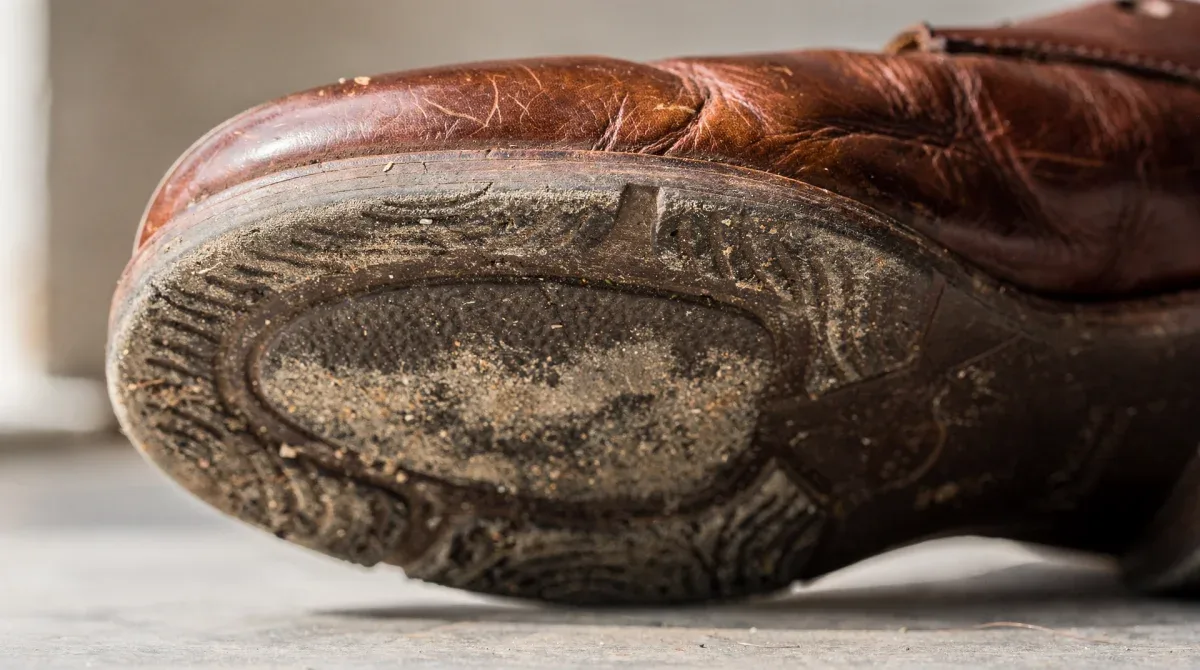
Consider the type of activity you'll be undertaking. If you know you'll be doing a lot of walking, opt for a pair designed for comfort and support. If you're attending a formal event, reserve your dress shoes for that specific occasion. This intentionality helps reduce unnecessary wear on specialized footwear.
Practical tips for a seamless rotation
- Designate a rotation schedule: Even a mental note to wear a different pair each day can be effective.
- Match shoes to activity: Save your specialized shoes for their intended purpose.
- Listen to your shoes: If a pair feels particularly damp or stressed, give it an extra day or two to recover.
By consciously rotating your shoes, you're not just extending their life; you're also ensuring that your feet have varied support and cushioning, which can contribute to overall foot health. This integrated approach to footwear management offers benefits far beyond just aesthetics.

The unsung heroes: proper shoe care and storage
A successful footwear rotation guide goes hand-in-hand with diligent shoe care and smart storage. Even the most rigorous rotation schedule won't fully protect your shoes if they're thrown into a pile or left exposed to damaging elements. Proper care extends the life of each pair, ensuring they remain in peak condition for longer.
Cleaning your shoes regularly is paramount. Dirt, dust, and grime can degrade materials over time, especially on leather and suede. A quick wipe-down after each wear can prevent buildup, while deeper cleaning should be performed periodically based on the material and usage. Specialized cleaning products exist for various shoe types, from leather conditioners to sneaker cleaners.
Essential shoe care practices
- Use shoe trees: Cedar shoe trees absorb moisture and help maintain the shoe's original shape, preventing creasing and cracking.
- Clean regularly: Wipe down shoes after each wear and perform deeper cleaning as needed with appropriate products.
- Protect from elements: Apply waterproof sprays or protective creams, especially for leather and suede shoes, to guard against water and stains.
Storage is equally important. Shoes should be kept in a cool, dry place away from direct sunlight and extreme temperatures. Using shoe bags or original boxes can protect them from dust and physical damage. Avoid stacking shoes, as this can deform their shape and damage delicate materials.
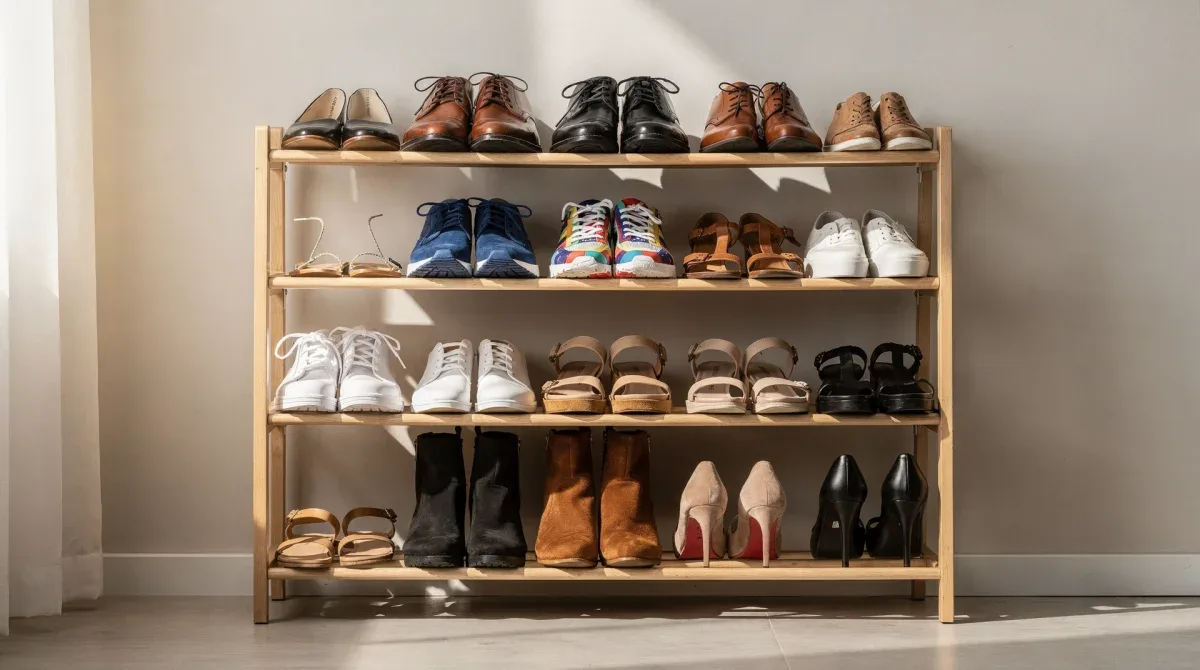
By integrating these care and storage practices into your footwear rotation, you create a holistic system that maximizes the lifespan and appearance of your entire shoe collection. It's an investment of time that pays dividends in longevity and sustained style.
Beyond the basics: expanding your rotation
While the initial three-shoe footwear rotation guide provides a solid foundation, there's always room to expand as your needs and style evolve. Once you've mastered the basics, consider adding specialized footwear that caters to specific activities or weather conditions. This further reduces wear on your core rotation and ensures you always have the right shoe for the job.
For example, if you frequently engage in sports or intense physical activity, investing in dedicated athletic shoes is crucial. Wearing your everyday sneakers for high-impact workouts will accelerate their wear and tear, and may not provide the necessary support for your feet. Similarly, if you live in an area with distinct seasons, having specific winter boots or summer sandals protects your other shoes from inappropriate weather exposure.
Considering specialized footwear
- Athletic shoes: For running, gym workouts, or specific sports, providing targeted support and cushioning.
- Weather-specific boots: Insulated, waterproof boots for cold, wet, or snowy conditions.
- Sandals/open-toe shoes: For warmer climates or casual summer wear, allowing your feet to breathe and protecting closed-toe shoes from excessive heat and sweat.
Expanding your rotation isn't about accumulating more shoes for the sake of it; it's about intelligent diversification. Each additional pair serves a specific purpose, contributing to the overall longevity and optimal performance of your entire collection. This thoughtful approach ensures that every shoe is used under conditions it's designed for, thereby preserving its integrity.
The long-term benefits of a footwear rotation guide
Embracing a comprehensive footwear rotation guide offers a multitude of benefits that extend far beyond simply making your shoes last longer. It's an approach that fosters mindful consumption, promotes better foot health, and ultimately enhances your personal style with minimal effort. The initial investment in a few quality pairs and the routine of rotation pays off significantly in the long run.
Financially, extending the lifespan of your shoes means you buy new pairs less frequently. This translates to substantial savings over time, allowing you to allocate your budget to other areas or invest in truly exceptional pieces when the need arises. It shifts the focus from constant replacement to thoughtful maintenance, a more sustainable approach to fashion.
Key advantages of a consistent rotation
- Cost savings: Longer-lasting shoes mean fewer replacements, saving money over time.
- Enhanced comfort and hygiene: Shoes have time to air out, reducing odor and maintaining cushioning.
- Sustainable practice: Reduces waste by extending the life of existing items, aligning with eco-conscious values.
- Improved appearance: Shoes retain their shape, color, and finish for longer, always looking their best.
Furthermore, foot health is a critical, often overlooked, benefit. Alternating shoes ensures that your feet are not constantly subjected to the same pressure points or support structures. This can help prevent foot fatigue, discomfort, and even certain orthopedic issues. A well-rested shoe provides better cushioning and support, which directly impacts your comfort throughout the day.
Ultimately, a robust footwear rotation guide is a testament to smart living and an appreciation for quality. It's a simple habit with profound implications for your wardrobe, your wallet, and your well-being, proving that sometimes, the most effective strategies are also the most straightforward.
| Key Aspect | Brief Description |
|---|---|
| Extend Lifespan | Allows shoes to fully dry and materials to recover, significantly increasing their durability. |
| Maintain Hygiene | Prevents moisture buildup and reduces bacterial growth, leading to fresher shoes. |
| Preserve Appearance | Minimizes creasing, scuffing, and material fatigue, keeping shoes looking newer longer. |
| Cost Efficiency | Reduces the frequency of shoe purchases, resulting in long-term financial savings. |
Frequently asked questions about shoe rotation
Why is a footwear rotation guide essential for shoe longevity?▼A footwear rotation guide is essential because it allows shoes to fully dry from foot moisture and for materials to decompress and regain their original shape. This prevents premature material fatigue, odor buildup, and structural breakdown, significantly extending the shoe's life and maintaining its appearance.
How many pairs of shoes do I need for an effective rotation?▼For an effective footwear rotation, a minimum of three classic pairs is recommended. This allows each pair at least 24-48 hours to rest and dry out between wears. This trio typically includes an everyday casual shoe, a smart-casual option, and a more formal pair for versatility.
What are the best practices for storing shoes during rotation?▼During rotation, store shoes in a cool, dry place away from direct sunlight. Use cedar shoe trees to absorb moisture and maintain shape. Avoid stacking shoes. Shoe bags or original boxes can protect them from dust and physical damage, ensuring they are ready for their next wear.
Can a footwear rotation guide improve foot health?▼Yes, rotating your footwear can improve foot health. It prevents your feet from being subjected to the same pressure points and support structures daily, reducing fatigue and discomfort. Different shoes offer varied support, which can help in preventing common foot issues and promoting overall foot well-being.
Does shoe rotation apply to all types of footwear?▼Yes, the principles of footwear rotation apply to virtually all types of footwear, from athletic sneakers to formal leather shoes. While the specific care might differ by material, the fundamental benefit of allowing shoes to rest and recover from wear and moisture remains universal for extending their lifespan.
Conclusion
Adopting a footwear rotation guide is more than just a trend; it's a smart, sustainable practice that yields significant benefits for your shoes, your wallet, and even your foot health. By mindfully alternating at least three classic pairs, ensuring proper care, and providing adequate rest, you actively participate in preserving the quality and longevity of your footwear. This simple habit transforms your approach to everyday style, allowing you to enjoy your favorite shoes for years to come while making a conscious choice towards responsible consumption.
