Smart Kitchen Appliances: 22% Energy Savings with Dual Inverters
Smart kitchen appliances with dual inverter technology offer a revolutionary approach to household energy management, demonstrably reducing overall appliance energy draw by up to 22%, translating into tangible savings and a reduced environmental footprint.
The modern home is increasingly reliant on technology, and the kitchen, often the heart of the home, is no exception. With rising energy costs and a growing environmental consciousness, the integration of smart kitchen appliances with dual inverters: slashing household appliance energy draw by 22% represents a significant leap forward. This article explores how this innovative technology is transforming our kitchens, making them more efficient, cost-effective, and sustainable.
Understanding Dual Inverter Technology: A Paradigm Shift
Dual inverter technology marks a substantial advancement over traditional single-inverter systems, particularly in household appliances. This innovation isn't just a minor upgrade; it's a fundamental rethinking of how appliances manage power, leading to impressive efficiency gains and a more stable operation.
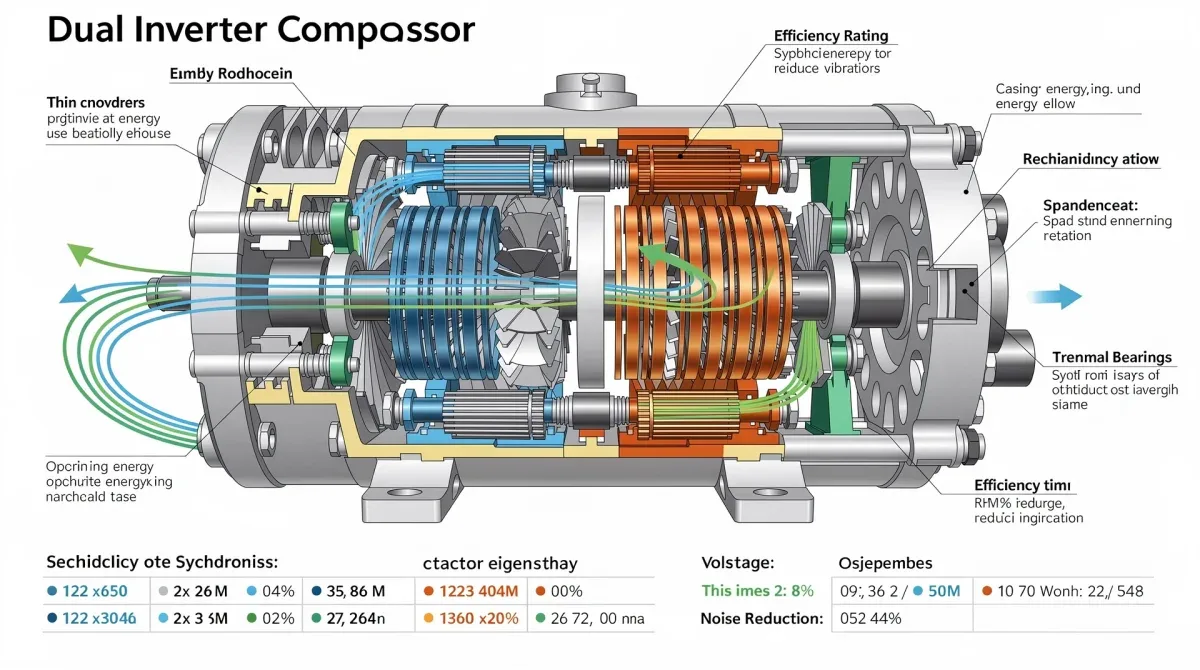
At its core, a dual inverter system utilizes two rotary compressors instead of one. These compressors work in tandem, allowing for a broader operating range and more precise control over the motor speed. This precision means the appliance can adjust its power consumption more accurately to the actual demand, avoiding the inefficient on-off cycling common in older models.
The Mechanics of Enhanced Efficiency
The brilliance of dual inverter technology lies in its ability to modulate power smoothly and continuously. Unlike conventional compressors that operate at a fixed speed, cycling on and off to maintain desired conditions, dual inverters can vary their speed across a wide spectrum. This continuous adjustment translates directly into energy savings.
- Reduced Energy Waste: By eliminating frequent start-ups and shutdowns, dual inverters prevent the surge of power consumption that occurs each time a traditional compressor kicks into action.
- Consistent Performance: The ability to maintain a more stable temperature or operational level means appliances work more efficiently and effectively, preserving food better or cleaning dishes more thoroughly.
- Lower Noise Levels: The smoother operation of dual compressors also results in significantly reduced noise and vibration, contributing to a quieter home environment.
This technological leap applies to a range of kitchen appliances, from refrigerators and freezers to dishwashers and even some advanced ovens. The collective impact of these individual efficiencies contributes to the notable 22% reduction in overall household appliance energy draw, making a tangible difference in utility bills and environmental impact. The adoption of this technology is not merely about saving money; it's about embracing a smarter, more sustainable way of living.

Smart Kitchen Appliances: Beyond Basic Functionality
The term 'smart' in kitchen appliances goes far beyond simply connecting to Wi-Fi. It encompasses a suite of features designed to optimize performance, enhance user convenience, and, crucially, improve energy efficiency. When integrated with dual inverter technology, these smart features amplify the benefits, creating a truly optimized kitchen ecosystem.
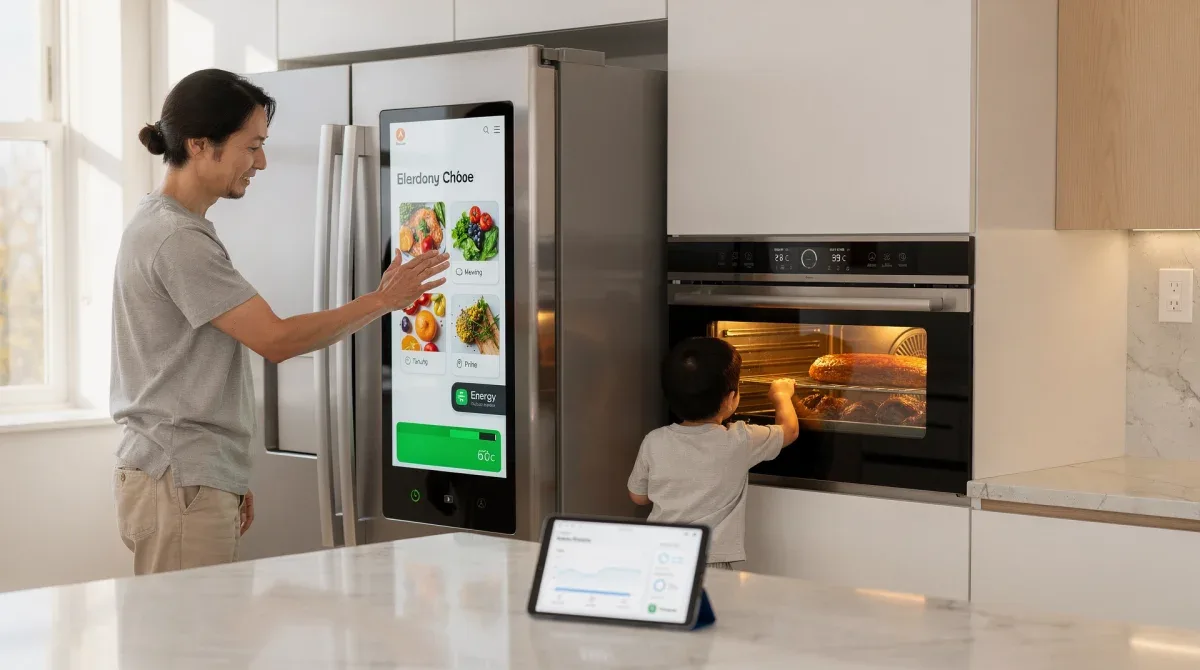
Smart appliances often come equipped with sensors that monitor internal conditions, external environment, and even user habits. This data is then used to make real-time adjustments, ensuring the appliance operates at peak efficiency. For instance, a smart refrigerator might learn your usage patterns and adjust its cooling cycles accordingly, minimizing energy waste during periods of low activity.
Interconnectivity and Automation
One of the most compelling aspects of smart kitchen appliances is their ability to connect and communicate with each other, and with other smart home devices. This interconnectivity allows for a level of automation and control previously unimaginable, directly influencing energy consumption.
- Remote Management: Control and monitor appliances from anywhere using a smartphone app, allowing you to optimize settings even when you're not home.
- Proactive Maintenance: Smart diagnostics can alert you to potential issues before they become major problems, ensuring appliances run efficiently and extending their lifespan.
- Personalized Performance: Appliances can learn your preferences and adjust settings automatically, such as preheating an oven at a specific time or setting a dishwasher to run during off-peak energy hours.
The combination of smart features and dual inverter technology creates a powerful synergy. The smart capabilities provide the intelligence to optimize usage, while the dual inverter provides the efficient mechanism to execute those optimizations. This holistic approach ensures that every joule of energy is used effectively, contributing to the impressive 22% reduction in energy draw and solidifying the smart kitchen's role as a cornerstone of modern, sustainable living.
The Economic Impact: Real Savings for Households
While the initial investment in smart kitchen appliances with dual inverter technology might be higher than traditional models, the long-term economic benefits are substantial. The promised 22% reduction in household appliance energy draw translates directly into lower utility bills, offering a compelling return on investment over the lifespan of the appliances.
Consider the cumulative effect of multiple appliances in a single household. A refrigerator, freezer, dishwasher, and even some washing machines all contribute to a significant portion of a home's overall energy consumption. By upgrading these key appliances to dual inverter smart models, homeowners can see a noticeable dip in their monthly energy expenditures.
Beyond the Utility Bill: Hidden Savings
The economic advantages extend beyond just the immediate savings on electricity bills. Dual inverter technology, with its smoother operation, also contributes to the longevity of the appliance. Reduced wear and tear on components mean fewer repairs and replacements over time, offering additional savings.
- Extended Appliance Lifespan: Less stress on internal components due to continuous, modulated operation means appliances last longer, delaying the need for costly replacements.
- Reduced Maintenance Costs: Fewer breakdowns mean less money spent on repair services and replacement parts.
- Potential for Rebates and Incentives: Many utility companies and government programs offer rebates or tax incentives for purchasing energy-efficient appliances, further reducing the effective cost of investment.
The economic argument for adopting dual inverter smart kitchen appliances is robust. The initial outlay is offset by ongoing energy savings, reduced maintenance, and a longer product life. For families looking to manage their household budget more effectively while also embracing modern conveniences, this technology presents a clear and advantageous path forward. It's an investment in both financial prudence and a comfortable, efficient home.
Environmental Benefits: A Greener Footprint
Beyond the personal economic advantages, the widespread adoption of smart kitchen appliances with dual inverter technology carries significant environmental benefits. A 22% reduction in household appliance energy draw on a large scale contributes substantially to lowering overall energy consumption and, consequently, reducing carbon emissions. This makes a tangible difference in the fight against climate change.
Every kilowatt-hour saved means less demand on power grids, which often rely on fossil fuels for electricity generation. By choosing energy-efficient appliances, consumers directly contribute to a reduction in the burning of these fuels, lessening air pollution and greenhouse gas emissions. It's a powerful statement that individual choices can collectively drive positive environmental change.
Resource Conservation and Waste Reduction
The environmental impact also extends to resource conservation. Appliances that last longer, thanks to the durability afforded by dual inverter technology, mean fewer appliances ending up in landfills. This reduces electronic waste, a growing global concern, and conserves the raw materials needed for manufacturing new units.
- Lower Carbon Emissions: Reduced electricity consumption directly translates to a smaller carbon footprint for households and for the overall energy infrastructure.
- Decreased e-Waste: Longer-lasting appliances mean less frequent replacements, reducing the volume of electronic waste that needs to be processed or disposed of.
- Sustainable Manufacturing: The demand for energy-efficient components also pushes manufacturers towards more sustainable production processes and materials.
Embracing these advanced kitchen technologies is a practical step towards a more sustainable future. It empowers consumers to make choices that not only benefit their wallets but also align with broader ecological goals. The collective impact of millions of households making these choices can lead to a substantial shift in global energy consumption patterns, fostering a healthier planet for generations to come. It's a clear demonstration that innovation can serve both personal and planetary well-being.
Installation and Integration: A Seamless Transition
The thought of upgrading multiple kitchen appliances might seem daunting, but modern smart kitchen appliances with dual inverter technology are designed for relatively seamless installation and integration into existing home setups. Manufacturers have focused on user-friendly interfaces and clear instructions to ensure a smooth transition for homeowners.
While professional installation is always recommended for major appliances like refrigerators and dishwashers to ensure proper plumbing and electrical connections, the smart features themselves are often straightforward to set up. Most smart appliances connect to your home Wi-Fi network with simple app-guided steps, allowing you to quickly access their advanced functionalities.
Optimizing Your Smart Kitchen Ecosystem
To truly maximize the benefits of these appliances, particularly the 22% energy draw reduction, a strategic approach to integration is key. This involves not just installing the devices but also understanding how they can work together and how to best utilize their smart features.
- Unified Smart Home Platform: Consider integrating all your smart kitchen appliances into a single smart home platform (e.g., Google Home, Amazon Alexa, Apple HomeKit) for centralized control and automation.
- Energy Monitoring Tools: Utilize the energy monitoring features often built into smart appliance apps to track consumption and identify areas for further optimization.
- Professional Consultation: For complex kitchen renovations or full smart home integrations, consulting with a smart home specialist can ensure all components work harmoniously and efficiently.
The journey to a smart, energy-efficient kitchen is an exciting one, and it doesn't have to be complicated. With careful planning and leveraging available resources, homeowners can successfully install and integrate these advanced appliances, unlocking their full potential for convenience, savings, and environmental responsibility. The transition is not just about new gadgets, but about a smarter way of living.
Future Trends and Continued Innovation in Efficiency
The landscape of smart kitchen appliances and energy efficiency is continuously evolving. Dual inverter technology is a significant milestone, but it's by no means the final frontier. Researchers and manufacturers are constantly exploring new ways to push the boundaries of energy savings, aiming for even greater reductions in household appliance energy draw.
Looking ahead, we can anticipate further advancements in sensor technology, artificial intelligence, and material science, all contributing to more intelligent and efficient appliances. Imagine appliances that can predict your needs with even greater accuracy, or those that can generate a portion of their own power through integrated solar or kinetic energy systems.
Emerging Technologies on the Horizon
Several exciting areas of research and development promise to redefine kitchen efficiency in the coming years. These innovations will build upon the foundation laid by dual inverter technology, taking the concept of a truly smart and sustainable kitchen to new heights.
- AI-Powered Predictive Maintenance: Appliances that not only detect issues but predict them far in advance, preventing breakdowns and optimizing performance proactively.
- Personalized Energy Profiles: More sophisticated learning algorithms that create highly personalized energy consumption profiles, tailoring operation to individual household routines and preferences for maximum savings.
- Advanced Insulation Materials: Development of next-generation insulation materials that drastically reduce heat transfer, further minimizing the energy required for cooling or heating.
The future of smart kitchen appliances is bright, with a clear trajectory towards even greater efficiency and autonomy. As technology progresses, the potential to slash household appliance energy draw beyond the current 22% becomes increasingly realistic. These ongoing innovations promise not just further economic benefits for consumers but also a more sustainable and resource-conscious approach to home living, solidifying the role of the kitchen as a hub of cutting-edge, eco-friendly technology.
| Key Feature | Benefit to Households |
|---|---|
| Dual Inverter Technology | Up to 22% energy savings, stable operation, reduced noise. |
| Smart Connectivity | Remote control, optimized usage, personalized settings. |
| Enhanced Durability | Longer appliance lifespan, fewer repairs, lower maintenance costs. |
| Environmental Impact | Reduced carbon footprint, decreased e-waste, resource conservation. |
Frequently Asked Questions
What exactly is dual inverter technology in kitchen appliances?▼Dual inverter technology utilizes two rotary compressors working in tandem to precisely control motor speed. This allows appliances to adjust power consumption more accurately to demand, avoiding inefficient on-off cycling common in older models. It results in smoother operation, higher efficiency, and significant energy savings compared to single-inverter systems.
How much energy can I really save with these appliances?▼Adopting smart kitchen appliances with dual inverter technology can lead to an impressive reduction in household appliance energy draw by up to 22%. This translates into noticeable savings on your monthly utility bills, making a tangible difference in your household budget over the lifespan of the appliances.
Are dual inverter appliances more expensive initially?▼Yes, the initial purchase price for smart kitchen appliances with dual inverter technology can be higher than conventional models. However, the long-term benefits, including significant energy savings, reduced maintenance costs, and an extended appliance lifespan, typically lead to a positive return on investment, offsetting the initial cost over time.
What types of kitchen appliances use dual inverter technology?▼Dual inverter technology is primarily found in appliances that require precise temperature control and continuous operation, such as refrigerators, freezers, and air conditioners. Increasingly, it's also being incorporated into dishwashers and some advanced ovens to enhance their energy efficiency and operational stability.
How do smart features enhance energy savings in these appliances?▼Smart features like sensors, connectivity, and AI integration allow appliances to optimize their operation based on real-time data, usage patterns, and external conditions. This intelligent management ensures the dual inverter system runs at peak efficiency, minimizing waste and maximizing energy savings, often through remote control and personalized settings.
Conclusion
The advent of smart kitchen appliances equipped with dual inverter technology represents a pivotal moment in home energy management. The documented ability to slash household appliance energy draw by 22% is not merely a technical statistic; it signifies a tangible shift towards more sustainable living, offering substantial economic benefits through reduced utility bills and extended appliance lifespans. Beyond the individual household, the widespread adoption of these technologies contributes meaningfully to environmental conservation by lowering carbon emissions and reducing electronic waste. As innovation continues to unfold, the future promises even greater efficiencies and a more interconnected, eco-conscious kitchen experience, empowering consumers to make choices that benefit both their wallets and the planet.
